Calochortus
35 species in the reference · family Liliaceae · 32 with a habitat climate · 31 grown, per iNaturalist, 4 not counted
About the genus
Calochortus is a genus of flowering plants in the lily family. The group includes herbaceous, perennial and bulbous species, all native to North America (primarily the Western United States).
Quoted from Wikipedia, "Calochortus", its opening paragraph, revision 1371338981, read 2026-11-08, CC BY-SA 4.0.
Where Calochortus is native
| California | 28 |
|---|---|
| Nevada | 8 |
| Oregon | 8 |
| Utah | 7 |
| Montana | 6 |
| Arizona | 5 |
| Idaho | 5 |
| Mexico Northwest | 5 |
| Colorado | 4 |
| New Mexico | 4 |
| Washington | 4 |
| Wyoming | 4 |
Species native to each region. A species counts in every region it is native to. Native ranges: Kew's World Checklist of Vascular Plants (Govaerts et al., CC BY 4.0), file of 4 June 2026.
35 species
Calochortus
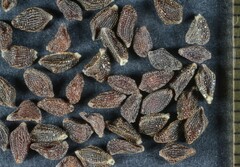 Calochortus tolmiei Tolmie star-tulip Photo: CC BY, Gabriel Campbell-Martinez
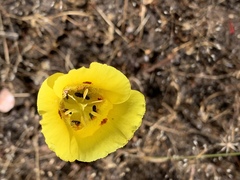 Calochortus luteus Yellow mariposa lily Photo: CC0, Leah Gardner
 Calochortus venustus Butterfly mariposa lily Photo: CC BY, Zack Abbey
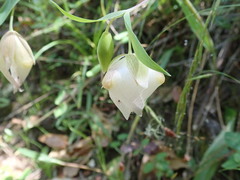 Calochortus albus White globe-lily Photo: CC BY, joergmlpts
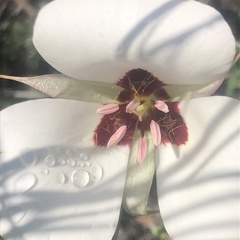 Calochortus catalinae Catalina mariposa-lily Photo: CC BY, Marc Whitaker
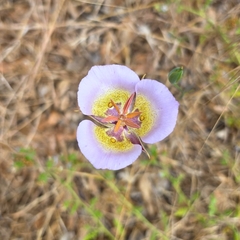 Calochortus plummerae Plummer's mariposa lily Photo: CC BY, Cristhian Mace
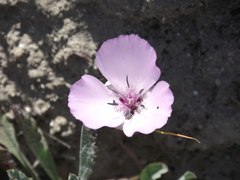 Calochortus splendens Splendid mariposa lily Photo: CC BY, Amy
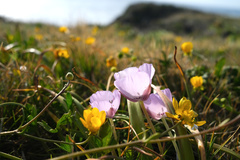 Calochortus uniflorus Monterey mariposa lily Photo: CC BY-SA, paulexcoff
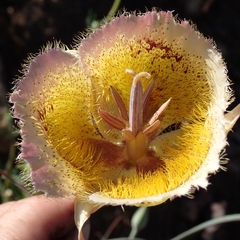 Calochortus weedii Weed's mariposa lily Photo: CC0, John Cowles
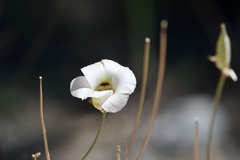 Calochortus argillosus Clay mariposa lily Photo: CC0, Dario Taraborelli
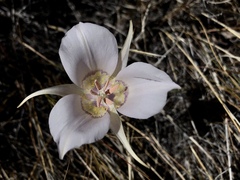 Calochortus macrocarpus Sagebrush mariposa lily Photo: CC BY, Dee Shea Himes
- no open photograph on file Calochortus rustvoldii
 Calochortus amoenus Purple fairy-lantern Photo: CC BY-SA, paulexcoff
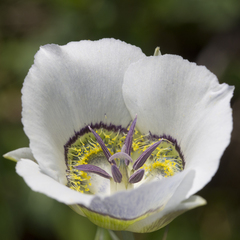 Calochortus gunnisonii Gunnison's mariposa lily Photo: CC0, Robbie Hannawacker
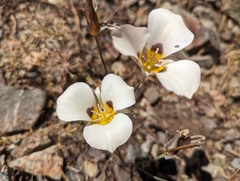 Calochortus leichtlinii Smokey mariposa Photo: CC BY, aerospaceeb
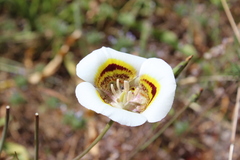 Calochortus superbus Yellow mariposa Photo: CC0, jnicat
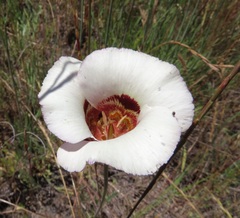 Calochortus vestae Photo: CC BY, John Hibbard
 Calochortus amabilis Diogenes' lantern Photo: CC BY, Don Loarie
 Calochortus clavatus Clubhair mariposa lily Photo: CC BY, George Williams
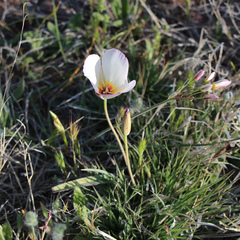 Calochortus flexuosus Winding mariposa lily Photo: CC BY, Paul McClellan
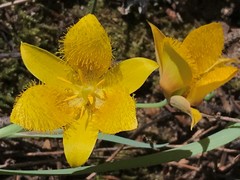 Calochortus monophyllus Yellow star-tulip Photo: CC0, Leah Gardner
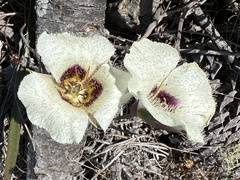 Calochortus umpquaensis Umpqua mariposa lily Photo: CC BY, Dee Shea Himes
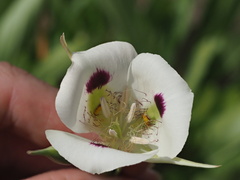 Calochortus eurycarpus White mariposa lily Photo: CC BY, Kevin Faccenda
 Calochortus barbatus Photo: CC BY, Jordi Martínez Martínez
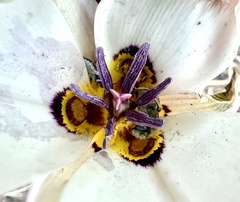 Calochortus bruneaunis Bruneau mariposa lily Photo: CC BY, Steve Matson
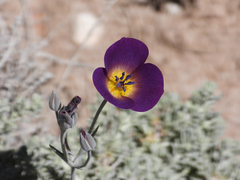 Calochortus invenustus Plain mariposa lily Photo: CC BY, James M. Maley
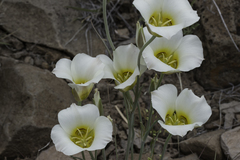 Calochortus nuttallii Sego lily Photo: CC0, Craig Martin
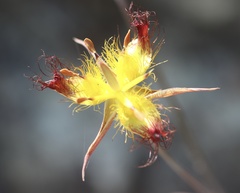 Calochortus obispoensis San Luis mariposa lily Photo: CC BY, Cricket Raspet
 Calochortus pulchellus Mount Diablo fairy-lantern Photo: CC BY, Ken-ichi Ueda
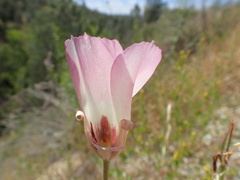 Calochortus simulans San Luis Obispo mariposa lily Photo: CC0, Scott Yarger
 Calochortus tiburonensis Tiburon mariposa lily Photo: CC0, Scott Loarie
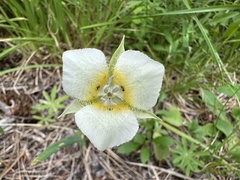 Calochortus apiculatus Pointed-tip mariposa lily Photo: CC BY, Dee Shea Himes
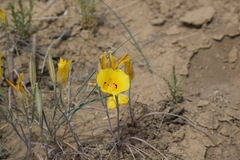 Calochortus aureus Golden mariposa lily Photo: CC BY, William Harmon
 Calochortus kennedyi Desert mariposa lily Photo: CC BY, Jim Morefield
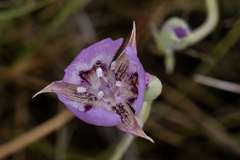 Calochortus longebarbatus Long-bearded mariposa lily Photo: CC BY, Sam Eberhard
Grown: iNaturalist's observations of the species marked captive or cultivated; "not counted" where the species list does not count it. Native ranges: Kew's World Checklist of Vascular Plants (Govaerts et al., CC BY 4.0), file of 4 June 2026. Grown: iNaturalist's observations marked captive or cultivated, counted 17 October 2026 (the species list's count). Habitat climate known: the species page has a habitat climate, read from CHELSA's monthly climate and NASA POWER's daily extremes at its well-placed wild records inside Kew's native range; each page says its own sources and days. Record low: the lowest night in NASA POWER's daily series at the habitat's typical spot, as the species page gives it, held in °C to a tenth and shown in your units; each page says its own years and day read. Counts as the reference built on 19 November 2026 holds them. The CSV holds every result, not only this page's.