Liliaceae
377 species in 15 genera · 297 with a habitat climate · 277 grown, per iNaturalist, 100 not counted
Most native to: California 77Turkey 67China South-Central 41Iran 41Oregon 41Japan 37Kazakhstan 37Greece 34Transcaucasus 32Uzbekistan 29Kirgizistan 28North Caucasus 27
A species counts in every region it is native to. Native ranges: Kew's World Checklist of Vascular Plants (Govaerts et al., CC BY 4.0), file of 4 June 2026.
377 species
Liliaceae
 Tulipa gesneriana Garden tulip Photo: CC BY, kirinzi
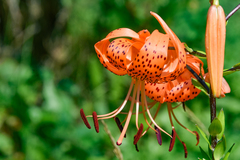 Lilium lancifolium Tiger lily Photo: CC BY, Jay Pruett
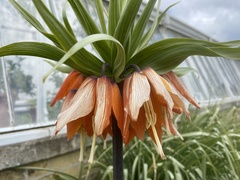 Fritillaria imperialis Imperial fritillary Photo: CC BY, John Witton
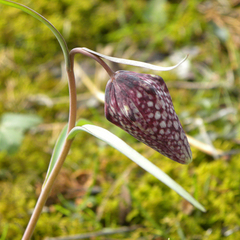 Fritillaria meleagris Fritillary Photo: CC BY, M. Whitson
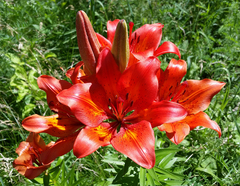 Lilium bulbiferum Orange lily Photo: CC BY-SA, Gordon Johnston
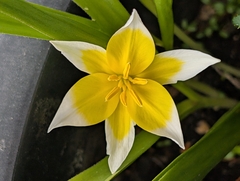 Tulipa tarda Photo: CC BY-SA, Dolores Portalatin
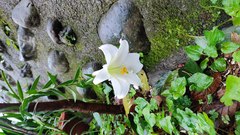 Lilium longiflorum Easter lily Photo: CC BY, 四角銅鑼
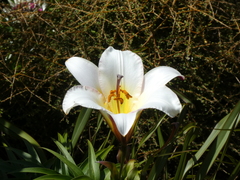 Lilium formosanum Formosa lily Photo: CC BY, Doug Miller
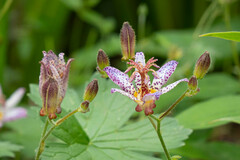 Tricyrtis hirta Toad lily Photo: CC BY, Derek Winterburn
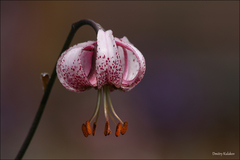 Lilium martagon Martagon lily Photo: CC BY, Dmitry Kulakov
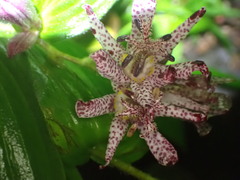 Tricyrtis formosana Formosan Toad Lily Photo: CC BY, naturewatchwidow
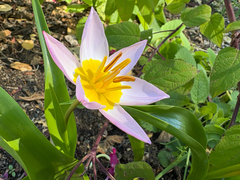 Tulipa saxatilis Cretan Tulip Photo: CC BY, Annette Herz
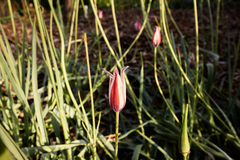 Tulipa clusiana Lady tulip Photo: CC BY, average_plant_enjoyer
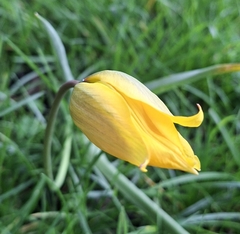 Tulipa sylvestris Wild tulip Photo: CC BY, Jochen Essig
 Lilium candidum Madonna lily Photo: CC BY, Oleksandr Shynder
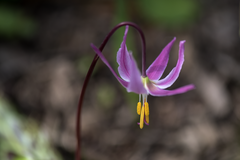 Erythronium revolutum Pink fawn lily Photo: CC BY-SA, David Badke
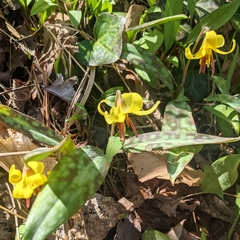 Erythronium americanum Trout-lily Photo: CC BY, C Fishtahler
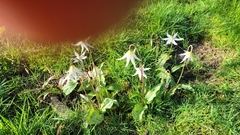 Erythronium oregonum Giant white fawn lily Photo: CC BY, Kevin Krebs
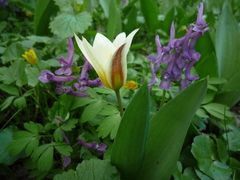 Tulipa kaufmanniana Water-lily tulip Photo: CC BY, Oleksandr Shynder
 Fritillaria persica Persian fritillary Photo: CC0, Dan Horowitz
 Tulipa bifloriformis Photo: CC BY, Oleksandr Shynder
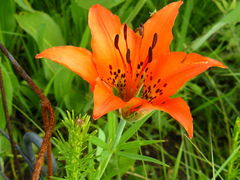 Lilium philadelphicum Wood lily Photo: CC BY, Peter Chen 2.0
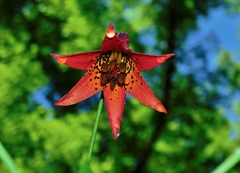 Lilium canadense Canada lily Photo: CC BY, Michael J. Papay
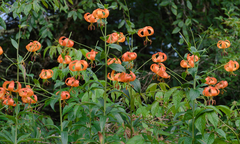 Lilium superbum Turk's-cap lily Photo: CC0, Mark Connolly
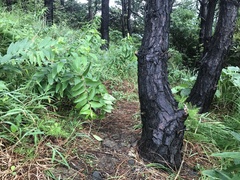 Lilium speciosum Japanese lily Photo: CC0, Mason Brock
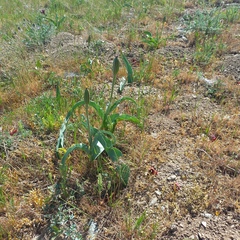 Tulipa greigii Photo: CC BY, Alexander Dubynin
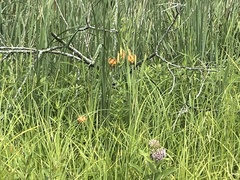 Lilium michiganense Michigan lily Photo: CC BY-SA, Mike B
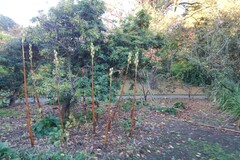 Cardiocrinum giganteum Giant Himalayan Lily Photo: CC BY, Jon Sullivan
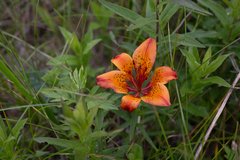 Lilium pensylvanicum Siberian lily Photo: CC BY, Saryu Mae 前 朝琉
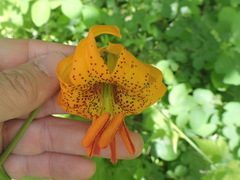 Lilium columbianum Columbia lily Photo: CC BY, Sam Kieschnick
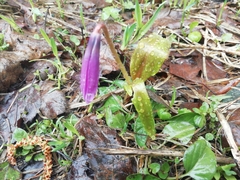 Erythronium sibiricum Siberian Fawn Lily Photo: CC0, Marina Potapova
 Lilium pardalinum Leopard lily Photo: CC0, Scott Yarger
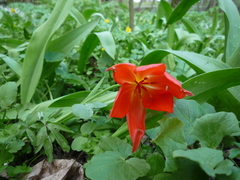 Tulipa praestans Photo: CC BY, Oleksandr Shynder
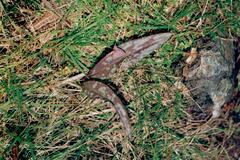 Erythronium dens-canis Dog's-tooth-violet Photo: CC BY, zebedeugalinha
 Tulipa humilis Crocus tulip Photo: CC BY, Oleksandr Shynder
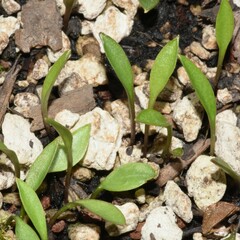 Lilium washingtonianum Washington lily Photo: CC BY, Gabriel Campbell-Martinez
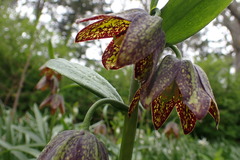 Fritillaria affinis Checker lily Photo: CC BY, Noah How
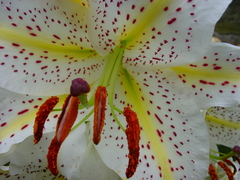 Lilium auratum Gold-band lily Photo: CC BY, Bob
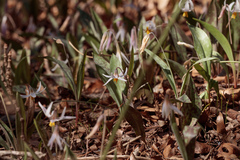 Erythronium albidum White trout lily Photo: CC BY, Victor Engel
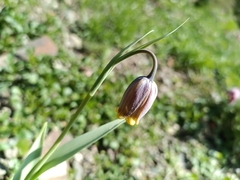 Fritillaria uva-vulpis Fox's grape fritillary Photo: CC BY, Michal Honskus
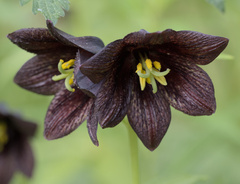 Fritillaria camschatcensis Kamchatka fritillary Photo: CC BY, abogomazova
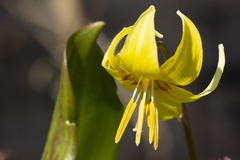 Erythronium grandiflorum Glacier lily Photo: CC BY, Tina Ellegaard Poulsen
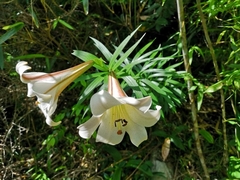 Lilium brownii Brown's lily Photo: CC BY, angryphyco
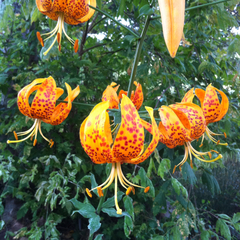 Lilium humboldtii Humboldt lily Photo: CC BY, Emily Burns
 Tulipa agenensis Eyed Tulip Photo: CC0, Philip Precey
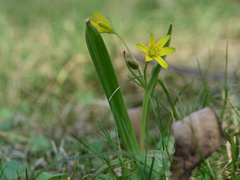 Gagea lutea Yellow star-of-Bethlehem Photo: CC BY, Daniel Cahen
 Tulipa linifolia Bokhara Tulip Photo: CC BY-SA, Ghislain118…
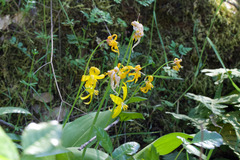 Erythronium tuolumnense Tuolumne fawn-lily Photo: CC BY, Arvel Hernandez
Grown: iNaturalist's observations of the species marked captive or cultivated; "not counted" where the species list does not count it. Native ranges: Kew's World Checklist of Vascular Plants (Govaerts et al., CC BY 4.0), file of 4 June 2026. Grown: iNaturalist's observations marked captive or cultivated, counted 17 October 2026 (the species list's count). Habitat climate known: the species page has a habitat climate, read from CHELSA's monthly climate and NASA POWER's daily extremes at its well-placed wild records inside Kew's native range; each page says its own sources and days. Record low: the lowest night in NASA POWER's daily series at the habitat's typical spot, as the species page gives it, held in °C to a tenth and shown in your units; each page says its own years and day read. Counts as the reference built on 19 November 2026 holds them. The CSV holds every result, not only this page's.