Croton
50 species in the reference · family Euphorbiaceae · 49 with a habitat climate · 47 grown, per iNaturalist, 3 not counted
Where Croton is native
| Mexico Northeast | 15 |
|---|---|
| Texas | 14 |
| Mexico Northwest | 12 |
| Mexico Gulf | 11 |
| Mexico Southeast | 10 |
| Mexico Southwest | 10 |
| Colombia | 9 |
| Cuba | 8 |
| Ecuador | 8 |
| Haiti | 8 |
| Nicaragua | 8 |
| Arizona | 7 |
Species native to each region. A species counts in every region it is native to. Native ranges: Kew's World Checklist of Vascular Plants (Govaerts et al., CC BY 4.0), file of 4 June 2026.
50 species
Croton
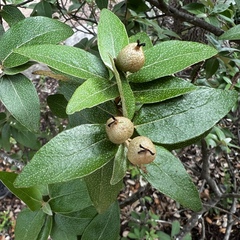 Croton alabamensis Alabama croton Photo: CC BY, Clifton Ladd, C.W.B.
 Croton linearis Pineland croton Photo: CC BY, Cecil Smith
 Croton mutisianus Photo: CC BY, Juan Carlos Caicedo Hernández
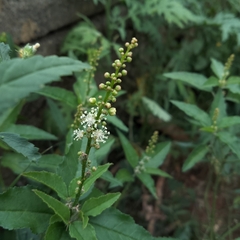 Croton bonplandianus Bonpland's croton Photo: CC BY, Paulmathi Vinod
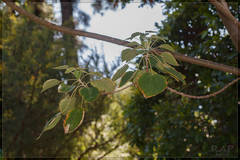 Croton urucurana Photo: CC BY, RAP
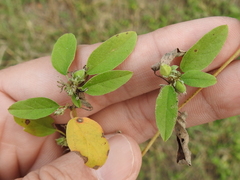 Croton monanthogynus Prairie-tea Photo: CC BY, Sam Kieschnick
 Croton tiglium Purging croton Photo: CC0, 葉子
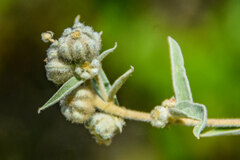 Croton lindheimeri Lindheimer's Doveweed Photo: CC BY, Jay Pruett
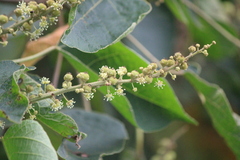 Croton draco Weeping blood Photo: CC BY, José Belem Hernández Díaz
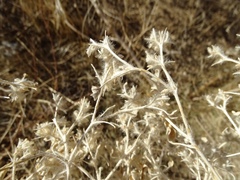 Croton setiger Turkey mullein Photo: CC BY, W. Terry Hunefeld
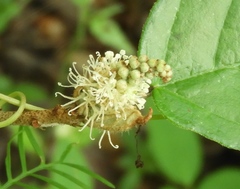 Croton cortesianus Cortez's croton Photo: CC BY, Francisco Farriols Sarabia
 Croton gratissimus Lavender Croton Photo: CC BY, Robert Taylor
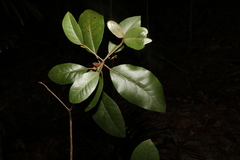 Croton insularis Silver croton Photo: CC BY-SA, Greg Tasney
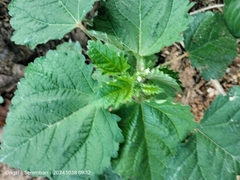 Croton hirtus Hairy Croton Photo: CC BY, Ong Jyh Seng
 Croton humilis Pepperbush Photo: CC0, Center for Urban Ecology
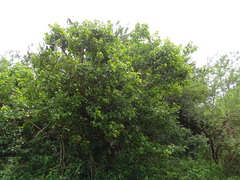 Croton sylvaticus Forest Croton Photo: CC BY, Shaun Swanepoel
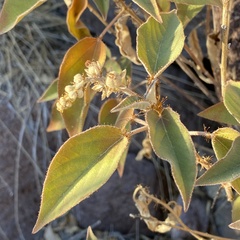 Croton ciliatoglandulifer Bush croton Photo: CC BY, Sue Carnahan
 Croton coriaceus Photo: CC BY, Juan Carlos Caicedo Hernández
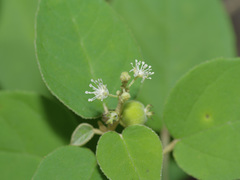 Croton fruticulosus Bush croton Photo: CC BY, Michelle W. (鍾偉瑋)
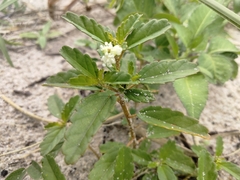 Croton glandulosus Tropic croton Photo: CC BY, Ben Machado
 Croton megalobotrys Large fever berry Photo: CC BY, Alan Manson
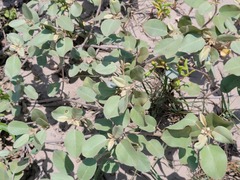 Croton punctatus Beach-tea Photo: CC BY, johnyochum
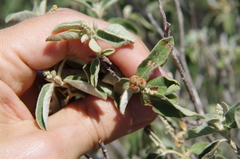 Croton incanus Torrey's croton Photo: CC BY, Eric Knight
 Croton cascarilloides Photo: CC BY, 謝麗霦
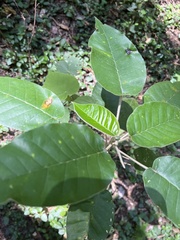 Croton megalocarpus Mukinduri Photo: CC BY, Elliot Greiner
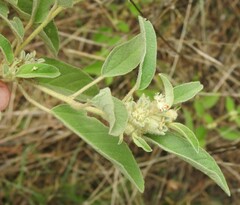 Croton capitatus Woolly croton Photo: CC BY, saltyhiker
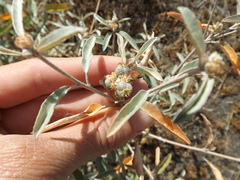 Croton californicus California croton Photo: CC BY, Amy
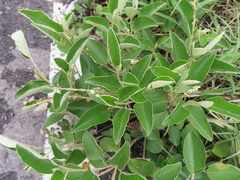 Croton elegans Photo: CC BY, Eric Schmidt
 Croton pseudopulchellus Lesser Lavender Croton Photo: CC0, Andrew Deacon
 Croton flavens Yellow balsam Photo: CC BY, stinger
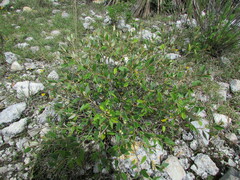 Croton hypoleucus Photo: CC BY, Carlos Martorell
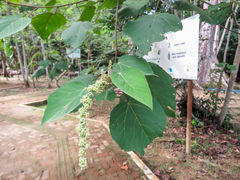 Croton lechleri Dragon's blood Photo: CC BY, Diogo Luiz
Croton mauritianus Photo: CC BY-SA, Rose Marie Fontaine
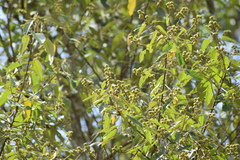 Croton floribundus Photo: CC BY, Cajá-manga
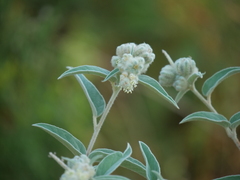 Croton heptalon South Texas Woolly Croton Photo: CC BY, Alexandria Szakacs
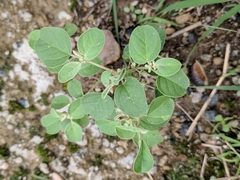 Croton lindheimerianus Three-seed croton Photo: CC BY, Alison Northup
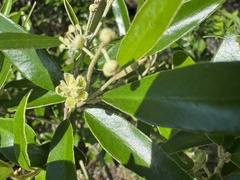 Croton phebalioides Photo: CC BY, Caleb Catto
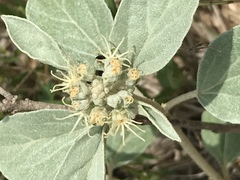 Croton pottsii Leatherweed Photo: CC BY, Luke Padon
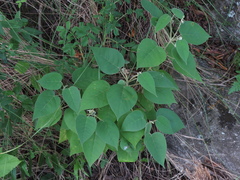 Croton gracilipes Photo: CC BY, Ezequiel Vera
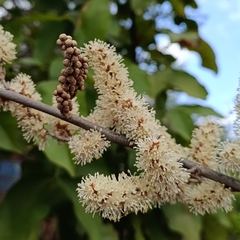 Croton niveus Photo: CC BY, Elkin Meriño Florez
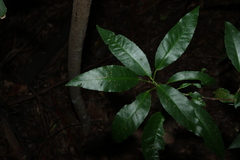 Croton verreauxii Green Native Cascarilla Photo: CC BY-SA, Greg Tasney
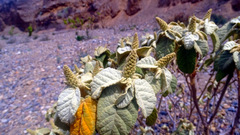 Croton chilensis Photo: CC BY, Jorge Muñoz Camadro
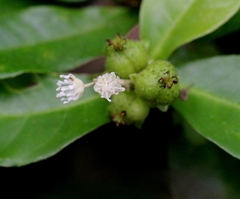 Croton hancei Hance's Croton Photo: CC0, Agnes Trekker
Croton macrostachyus Mulangu Photo: CC BY-SA, wang'ombe gatimu
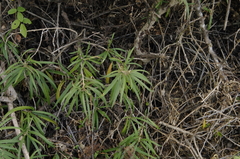 Croton scouleri Photo: CC BY, Eric Knight
 Croton hibiscifolius Photo: CC BY, Dick Culbert from Gibsons, B.C., Canada
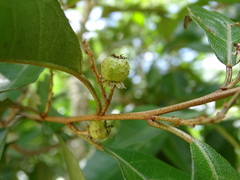 Croton nitens Wild cinnamon Photo: CC BY, Alexis López Hernández
- no open photograph on file Croton eluteria Cascarilla
Grown: iNaturalist's observations of the species marked captive or cultivated; "not counted" where the species list does not count it. Native ranges: Kew's World Checklist of Vascular Plants (Govaerts et al., CC BY 4.0), file of 4 June 2026. Grown: iNaturalist's observations marked captive or cultivated, counted 17 October 2026 (the species list's count). Habitat climate known: the species page has a habitat climate, read from CHELSA's monthly climate and NASA POWER's daily extremes at its well-placed wild records inside Kew's native range; each page says its own sources and days. Record low: the lowest night in NASA POWER's daily series at the habitat's typical spot, as the species page gives it, held in °C to a tenth and shown in your units; each page says its own years and day read. Counts as the reference built on 19 November 2026 holds them. The CSV holds every result, not only this page's.