Dimorphotheca
10 species in the reference · family Asteraceae · 9 with a habitat climate · 9 grown, per iNaturalist, 1 not counted
About the genus
Dimorphotheca is a genus of plants in the family Asteraceae, native to southern Africa. is one of eight genera of the Calenduleae, with a centre of diversity in Southern Africa. Species are native to Botswana, Eswatini, Lesotho, Namibia, South Africa, and Zimbabwe. Some species can hybridize with Osteospermum, and crosses are sold as cultivated ornamentals.
Quoted from Wikipedia, "Dimorphotheca", its opening paragraph, revision 1356513211, read 2026-11-08, CC BY-SA 4.0.
Where Dimorphotheca is native
| Cape Provinces | 9 |
|---|---|
| Free State | 3 |
| KwaZulu-Natal | 3 |
| Namibia | 3 |
| Botswana | 1 |
| Lesotho | 1 |
| Northern Provinces | 1 |
| Swaziland | 1 |
Species native to each region. A species counts in every region it is native to. Native ranges: Kew's World Checklist of Vascular Plants (Govaerts et al., CC BY 4.0), file of 4 June 2026.
10 species
Dimorphotheca
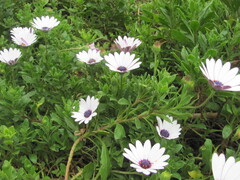 Dimorphotheca ecklonis Vanstaden's river daisy Photo: CC BY, zebedeugalinha
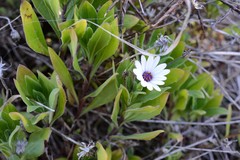 Dimorphotheca fruticosa Photo: CC BY, Jon Sullivan
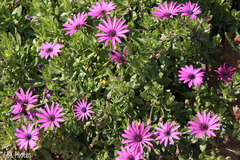 Dimorphotheca jucunda Cape daisy Photo: CC0, lallen
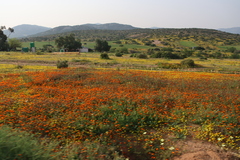 Dimorphotheca sinuata Glandular Cape marigold Photo: CC BY-SA, Tony Rebelo
 Dimorphotheca spectabilis Showy Rain Daisy Photo: CC BY, Matthew Fainman
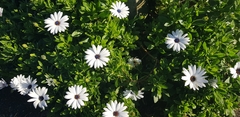 Dimorphotheca pluvialis Weather prophet Photo: CC BY-SA, JC vdM
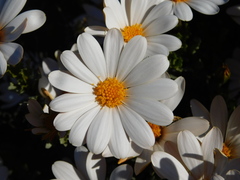 Dimorphotheca cuneata Bride's Bouquet Photo: CC BY-SA, Rebecca Ryen Stols
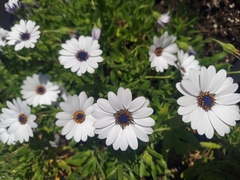 Dimorphotheca nudicaulis African oxeye Photo: CC BY, Ed Wallum
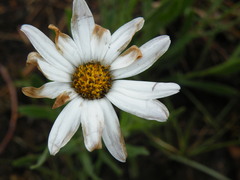 Dimorphotheca caulescens Longstem Rain Daisy Photo: CC BY-SA, Antoinette Eyssell Knox
 Dimorphotheca tragus Photo: CC BY-SA, Tony Rebelo
Grown: iNaturalist's observations of the species marked captive or cultivated; "not counted" where the species list does not count it. Native ranges: Kew's World Checklist of Vascular Plants (Govaerts et al., CC BY 4.0), file of 4 June 2026. Grown: iNaturalist's observations marked captive or cultivated, counted 17 October 2026 (the species list's count). Habitat climate known: the species page has a habitat climate, read from CHELSA's monthly climate and NASA POWER's daily extremes at its well-placed wild records inside Kew's native range; each page says its own sources and days. Record low: the lowest night in NASA POWER's daily series at the habitat's typical spot, as the species page gives it, held in °C to a tenth and shown in your units; each page says its own years and day read. Counts as the reference built on 19 November 2026 holds them. The CSV holds every result, not only this page's.