Diplazium
20 species in the reference · family Aspleniaceae · 18 with a habitat climate · 18 grown, per iNaturalist, 2 not counted
About the genus
Diplazium is a genus of ferns that specifically includes the approximately 400 known species of twinsorus ferns. The Greek root is diplazein meaning double: the indusia in this genus lie on both sides of the vein. These ferns were earlier considered part of either the Athyriaceae, Dryopteridaceae, Aspleniaceae, or Polypodiaceae families or recognized as belonging to their own taxonomic family. The Pteridophyte Phylogeny Group classification of 2016 (PPG I) places the genus in the Athyriaceae. More on Wikipedia
Quoted from Wikipedia, "Diplazium", its opening paragraph, revision 1362895239, read 2026-11-08, CC BY-SA 4.0.
Where Diplazium is native
| Taiwan | 12 |
|---|---|
| China South-Central | 11 |
| China Southeast | 10 |
| Japan | 10 |
| Myanmar | 9 |
| Thailand | 9 |
| Vietnam | 8 |
| Assam | 7 |
| Nansei-shoto | 7 |
| East Himalaya | 6 |
| Jawa | 6 |
| Sumatera | 6 |
Species native to each region. A species counts in every region it is native to. Native ranges: Kew's World Checklist of Vascular Plants (Govaerts et al., CC BY 4.0), file of 4 June 2026.
20 species
Diplazium
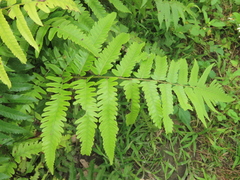 Diplazium esculentum Vegetable fern Photo: CC BY, chiuluan
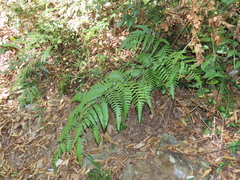 Diplazium dilatatum Widened Twin-sorus Fern Photo: CC BY, chiuluan
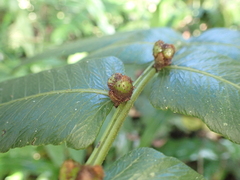 Diplazium proliferum Photo: CC BY, Nina Kerr
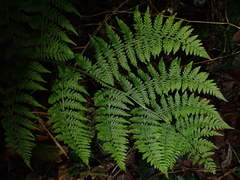 Diplazium australe Photo: CC BY, Saryu Mae 前 朝琉
 Diplazium lobatum Photo: CC0, 葉子
- no open photograph on file Diplazium kappanense
 Diplazium caudatum Caudate twinsorus fern Photo: CC BY, Christian Berg
 Diplazium chinense Asian twinsorus fern Photo: CC BY-SA, harum.koh
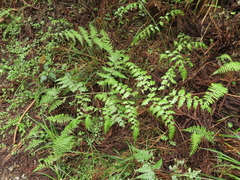 Diplazium kawakamii Photo: CC BY, chiuluan
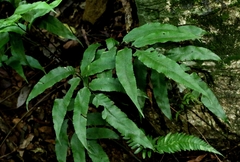 Diplazium maonense Photo: CC0, Agnes Trekker
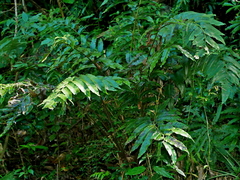 Diplazium megaphyllum Photo: CC BY, Jacy Chen
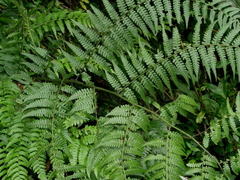 Diplazium laxifrons Photo: CC BY, Jacy Chen
 Diplazium wichurae Big-ear twinsorus fern Photo: CC BY, Samuele Papeschi
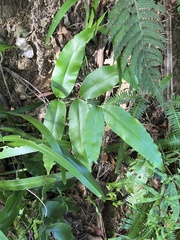 Diplazium lineolatum Photo: CC BY, Kiwi Shen
- no open photograph on file Diplazium polypodioides
 Diplazium striatum Striped twinsorus fern Photo: CC BY-SA, Krzysztof Ziarnek, Kenraiz
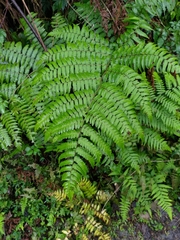 Diplazium maximum Photo: CC BY, 林正文
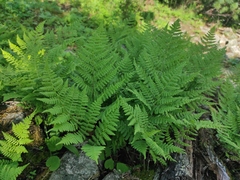 Diplazium sibiricum Mountain twinsorus fern Photo: CC BY, Valentin Kosterin
 Diplazium cristatum Crested twinsorus fern Photo: CC BY, Rony Ristow
- no open photograph on file Diplazium simplicivenium
Grown: iNaturalist's observations of the species marked captive or cultivated; "not counted" where the species list does not count it. Native ranges: Kew's World Checklist of Vascular Plants (Govaerts et al., CC BY 4.0), file of 4 June 2026. Grown: iNaturalist's observations marked captive or cultivated, counted 17 October 2026 (the species list's count). Habitat climate known: the species page has a habitat climate, read from CHELSA's monthly climate and NASA POWER's daily extremes at its well-placed wild records inside Kew's native range; each page says its own sources and days. Record low: the lowest night in NASA POWER's daily series at the habitat's typical spot, as the species page gives it, held in °C to a tenth and shown in your units; each page says its own years and day read. Counts as the reference built on 19 November 2026 holds them. The CSV holds every result, not only this page's.