Dipsacus
8 species in the reference · family Caprifoliaceae · 7 with a habitat climate · 8 grown, per iNaturalist
About the genus
Dipsacus is a genus of flowering plant in the family Caprifoliaceae. The members of this genus are known as teasel. The genus includes about 15 species of tall herbaceous biennial plants (rarely short-lived perennial plants) growing to 1–2.5 metres (3.3–8.2 ft) tall. Dipsacus species are native to Europe, Asia and Africa.
Quoted from Wikipedia, "Dipsacus", its opening paragraph, revision 1365196451, read 2026-11-08, CC BY-SA 4.0.
Where Dipsacus is native
| France | 4 |
|---|---|
| Krym | 4 |
| North Caucasus | 4 |
| South European Russia | 4 |
| Transcaucasus | 4 |
| Turkey | 4 |
| Ukraine | 4 |
| Yugoslavia | 4 |
| Austria | 3 |
| Bulgaria | 3 |
| China South-Central | 3 |
| Czechoslovakia | 3 |
Species native to each region. A species counts in every region it is native to. Native ranges: Kew's World Checklist of Vascular Plants (Govaerts et al., CC BY 4.0), file of 4 June 2026.
8 species
Dipsacus
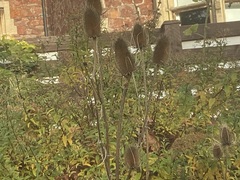 Dipsacus fullonum Common teasel Photo: CC BY, krickard0505
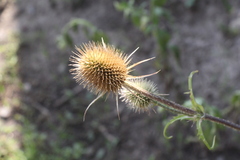 Dipsacus laciniatus Cut-leaved teasel Photo: CC0, Liubov Ilminska
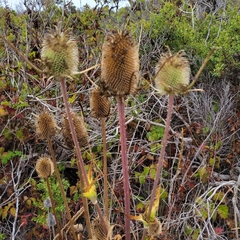 Dipsacus sativus Fuller's teasel Photo: CC0, Dan Horowitz
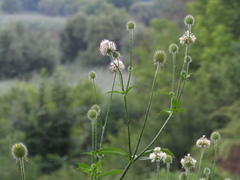 Dipsacus pilosus Small teasel Photo: CC BY, Oleksandr Shynder
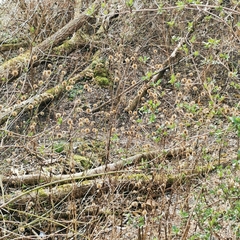 Dipsacus strigosus Yellow-flowered Teasel Photo: CC BY, Sigitas Juzėnas
 Dipsacus asper Sichuan teasel Photo: CC BY-SA, peganum from Henfield, England
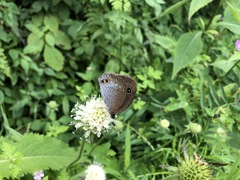 Dipsacus inermis Photo: CC BY, Dee Shea Himes
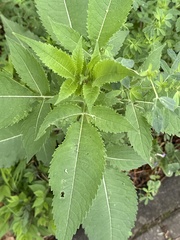 Dipsacus japonicus Japanese teasel Photo: CC BY, Jane Charlen
Grown: iNaturalist's observations of the species marked captive or cultivated; "not counted" where the species list does not count it. Native ranges: Kew's World Checklist of Vascular Plants (Govaerts et al., CC BY 4.0), file of 4 June 2026. Grown: iNaturalist's observations marked captive or cultivated, counted 17 October 2026 (the species list's count). Habitat climate known: the species page has a habitat climate, read from CHELSA's monthly climate and NASA POWER's daily extremes at its well-placed wild records inside Kew's native range; each page says its own sources and days. Record low: the lowest night in NASA POWER's daily series at the habitat's typical spot, as the species page gives it, held in °C to a tenth and shown in your units; each page says its own years and day read. Counts as the reference built on 19 November 2026 holds them. The CSV holds every result, not only this page's.