Dracocephalum
29 species in the reference · family Lamiaceae · 24 with a habitat climate · 18 grown, per iNaturalist, 11 not counted
About the genus
Dracocephalum is a genus of flowering plants in the family Lamiaceae, native to temperate regions of the Northern Hemisphere. These flowers, collectively called dragonhead, are annual or perennial herbaceous plants or subshrubs, growing to 15 to 90 centimeters tall. The genus has 89 species as currently circumscribed, which includes the formerly separate genera Hyssopus, Lallemantia, and others. Older circumscriptions include 60 to 70 species.
Quoted from Wikipedia, "Dracocephalum", its opening paragraph, revision 1306379803, read 2026-11-08, CC BY-SA 4.0.
Where Dracocephalum is native
| Kirgizistan | 9 |
|---|---|
| Kazakhstan | 8 |
| Mongolia | 8 |
| Tadzhikistan | 8 |
| Transcaucasus | 8 |
| Tuva | 8 |
| Xinjiang | 8 |
| Altay | 7 |
| Inner Mongolia | 7 |
| Krasnoyarsk | 7 |
| North Caucasus | 7 |
| China South-Central | 6 |
Species native to each region. A species counts in every region it is native to. Native ranges: Kew's World Checklist of Vascular Plants (Govaerts et al., CC BY 4.0), file of 4 June 2026.
29 species
Dracocephalum
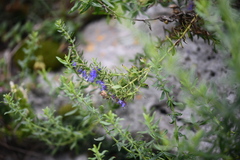 Dracocephalum officinale Hyssop Photo: CC BY, Flavien Saboureau
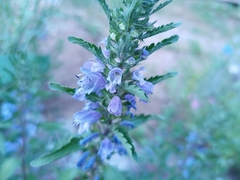 Dracocephalum moldavica Moldavian dragonhead Photo: CC BY, Michal Honskus
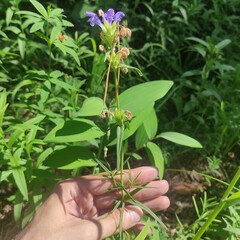 Dracocephalum ruyschiana Hyssop-leaved Dragonhead Photo: CC BY, Sergey Basalaev
 Dracocephalum nutans Nodding Dragon's Head Photo: CC BY, Valentin Kosterin
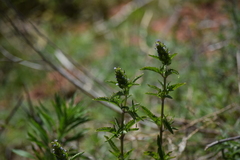 Dracocephalum parviflorum American dragonhead Photo: CC BY, William Harmon
 Dracocephalum peregrinum Photo: CC BY, Нурхайдарова Татьяна
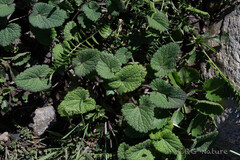 Dracocephalum rupestre Rupestrine dragonhead Photo: CC BY, Wang.QG
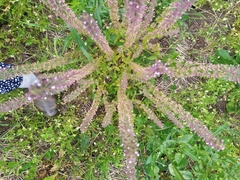 Dracocephalum thymiflorum Thymeleaf dragonhead Photo: CC BY, Adilya Galeeva
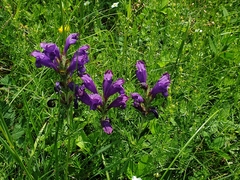 Dracocephalum austriacum Austrian Dragonhead Photo: CC0, Aaron Iemma
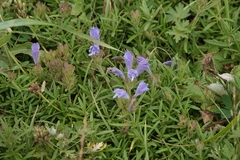 Dracocephalum charkeviczii Photo: CC BY, Валерия Ковалева
 Dracocephalum grandiflorum Photo: CC0, Юрий Носков
- no open photograph on file Dracocephalum ibericum
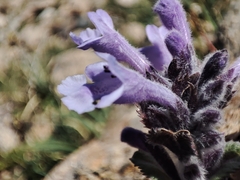 Dracocephalum imberbe Photo: CC0, Federico Biguzzi
- no open photograph on file Dracocephalum seravschanicum
 Dracocephalum argunense Photo: CC BY-SA, Ghislain118…
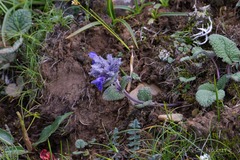 Dracocephalum bullatum Photo: CC BY, Wang.QG
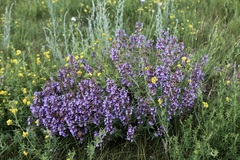 Dracocephalum integrifolium Photo: CC BY, Dr. Alexey Yakovlev
- no open photograph on file Dracocephalum peltatum
 Dracocephalum botryoides Photo: CC BY-SA, peganum from Henfield, England
- no open photograph on file Dracocephalum calophyllum
- no open photograph on file Dracocephalum canescens
 Dracocephalum forrestii Photo: CC BY-SA, peganum
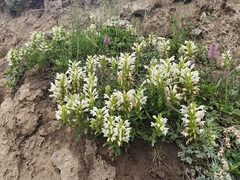 Dracocephalum heterophyllum Photo: CC BY, Cheongweei Gan
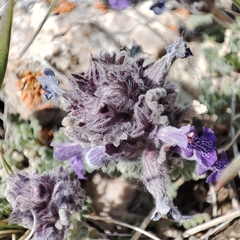 Dracocephalum paulsenii Photo: CC0, Federico Biguzzi
 Dracocephalum renati Photo: CC BY-SA, Thomas Horn
- no open photograph on file Dracocephalum scrobiculatum
- no open photograph on file Dracocephalum tanguticum
- no open photograph on file Dracocephalum wallichii
- no open photograph on file Dracocephalum wendelboi
Grown: iNaturalist's observations of the species marked captive or cultivated; "not counted" where the species list does not count it. Native ranges: Kew's World Checklist of Vascular Plants (Govaerts et al., CC BY 4.0), file of 4 June 2026. Grown: iNaturalist's observations marked captive or cultivated, counted 17 October 2026 (the species list's count). Habitat climate known: the species page has a habitat climate, read from CHELSA's monthly climate and NASA POWER's daily extremes at its well-placed wild records inside Kew's native range; each page says its own sources and days. Record low: the lowest night in NASA POWER's daily series at the habitat's typical spot, as the species page gives it, held in °C to a tenth and shown in your units; each page says its own years and day read. Counts as the reference built on 19 November 2026 holds them. The CSV holds every result, not only this page's.