Erysimum
37 species in the reference · family Brassicaceae · 33 with a habitat climate · 33 grown, per iNaturalist, 4 not counted
About the genus
Erysimum, or wallflower, is a genus of flowering plants in the cabbage family, Brassicaceae. It includes more than 150 species, both popular garden plants and many wild forms. Erysimum is characterised by star-shaped (and/or two-sided) trichomes growing from the stem, with yellow, red, pink or orange flowers and multiseeded seed pods.
Quoted from Wikipedia, "Erysimum", its opening paragraph, revision 1371939182, read 2026-11-08, CC BY-SA 4.0.
Where Erysimum is native
| Austria | 10 |
|---|---|
| Czechoslovakia | 9 |
| Ukraine | 9 |
| Romania | 8 |
| Bulgaria | 7 |
| California | 7 |
| Germany | 7 |
| Hungary | 7 |
| France | 6 |
| Poland | 6 |
| Yugoslavia | 6 |
| Italy | 5 |
Species native to each region. A species counts in every region it is native to. Native ranges: Kew's World Checklist of Vascular Plants (Govaerts et al., CC BY 4.0), file of 4 June 2026.
37 species
Erysimum
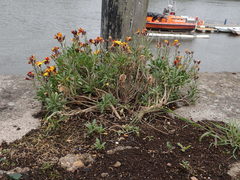 Erysimum × cheiri Wallflower Photo: CC BY, Daniel Cahen
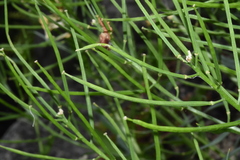 Erysimum capitatum Western wallflower Photo: CC BY, Gabriel Campbell-Martinez
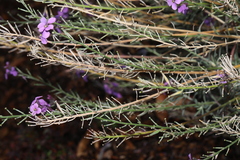 Erysimum linifolium Photo: CC0, Stephen James McWilliam
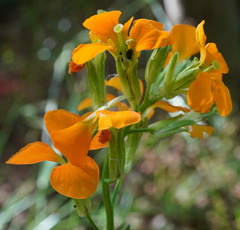 Erysimum × marshallii Siberian wallflower Photo: CC BY, Patrick Hacker
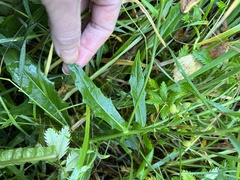 Erysimum cheiranthoides Treacle mustard Photo: CC BY, Алёна Осипова
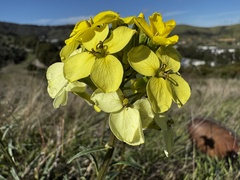 Erysimum franciscanum San Francisco wallflower Photo: CC BY, wonton_soup
 Erysimum virescens Photo: CC BY, Tom Heijnen
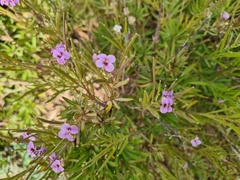 Erysimum bicolor Photo: CC0, Simon Tonge
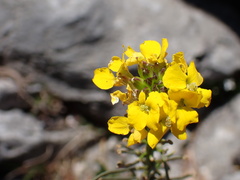 Erysimum odoratum Smelly wallflower Photo: CC BY, Milan Chytrý
 Erysimum scoparium Icarian Treacle Mustard Photo: CC0, Ina Siebert
 Erysimum maderense Photo: CC BY, Vítor Jorge
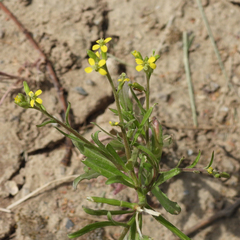 Erysimum repandum Spreading treacle-mustard Photo: CC BY, M. Whitson
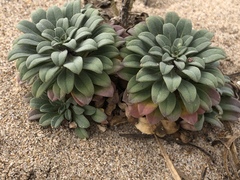 Erysimum menziesii Menzies's wallflower Photo: CC0, Al Kordesch
 Erysimum perofskianum Afghan erysimum Photo: CC BY-SA, Dinkum
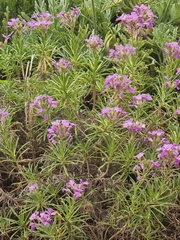 Erysimum arbuscula Photo: CC BY, Vítor Jorge
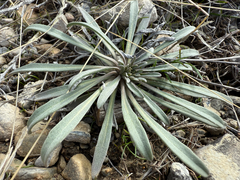 Erysimum asperum Western wallflower Photo: CC BY, Zach Earl
 Erysimum concinnum Curly wallflower Photo: CC BY, joergmlpts
 Erysimum hungaricum Photo: CC BY-SA, Agnieszka Kwiecień, Nova
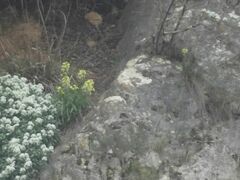 Erysimum nevadense Photo: CC BY, Thomas Koffel
 Erysimum ochroleucum Photo: CC0, Daderot
 Erysimum popovii Photo: CC BY-SA, Jmgreyes at English Wikipedia
 Erysimum kotschyanum Photo: CC BY-SA, Ghislain118…
 Erysimum teretifolium Ben Lomond wallflower Photo: CC0, Scott Yarger
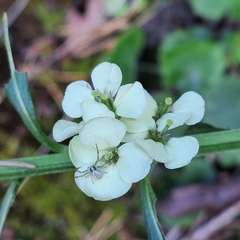 Erysimum witmannii Photo: CC0, Marek Hrušovský
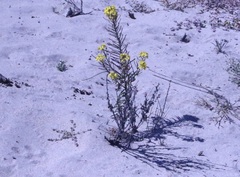 Erysimum ammophilum San Francisco wallflower Photo: CC BY, lazarus
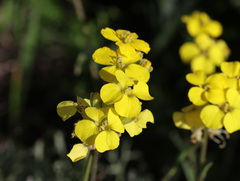 Erysimum grandiflorum Photo: CC BY, Joey Bom
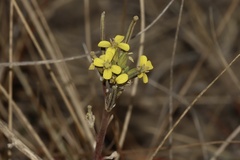 Erysimum inconspicuum Small-flowered wallflower Photo: CC BY, Dustin Snider
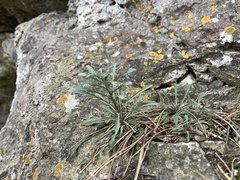 Erysimum crepidifolium Photo: CC BY, Pavel Kacl
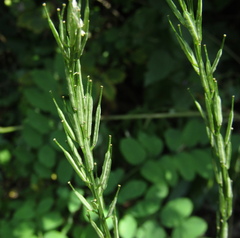 Erysimum cuspidatum Photo: CC BY, Oleksandr Shynder
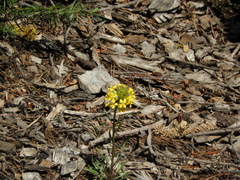 Erysimum perenne Mountain Wallflower Photo: CC BY, Mary K. Hanson
 Erysimum pulchellum Photo: CC BY-SA, Kurt Stüber
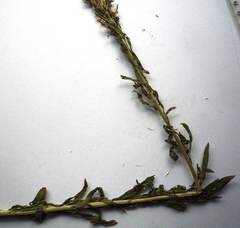 Erysimum marschallianum Hard wallflower Photo: CC BY, Oleksandr Shynder
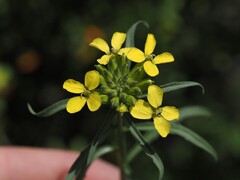 Erysimum rhaeticum Swiss treacle-mustard Photo: CC BY, Louis Aureglia
 Erysimum caboverdeanum Cape Verde Wallflower Photo: CC BY-SA, James Steakley
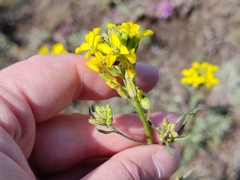 Erysimum diffusum Diffuse wallflower Photo: CC BY, Екатерина Гущина
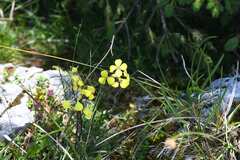 Erysimum sylvestre Wood Treacle-mustard Photo: CC BY, Matteo Martini
 Erysimum virgatum European wallflower Photo: CC BY-SA, Benoit NABHOLZ
Grown: iNaturalist's observations of the species marked captive or cultivated; "not counted" where the species list does not count it. Native ranges: Kew's World Checklist of Vascular Plants (Govaerts et al., CC BY 4.0), file of 4 June 2026. Grown: iNaturalist's observations marked captive or cultivated, counted 17 October 2026 (the species list's count). Habitat climate known: the species page has a habitat climate, read from CHELSA's monthly climate and NASA POWER's daily extremes at its well-placed wild records inside Kew's native range; each page says its own sources and days. Record low: the lowest night in NASA POWER's daily series at the habitat's typical spot, as the species page gives it, held in °C to a tenth and shown in your units; each page says its own years and day read. Counts as the reference built on 19 November 2026 holds them. The CSV holds every result, not only this page's.