Hakea
64 species in the reference · family Proteaceae · 64 with a habitat climate · 62 grown, per iNaturalist, 2 not counted
About the genus
Hakea ( HAH-kee-ə, HAY-) is a genus of about 150 species of flowering plants in the family Proteaceae, endemic to Australia. They are shrubs or small trees with leaves that are sometimes flat, otherwise circular in cross section in which case they are sometimes divided. The flowers are usually arranged in groups in leaf axils and resemble those of other genera, especially Grevillea. Hakeas have woody fruit which distinguishes them from grevilleas which have non-woody fruit which release the seeds as they mature. More on Wikipedia
Quoted from Wikipedia, "Hakea", its opening paragraph, revision 1356137134, read 2026-11-08, CC BY-SA 4.0.
Where Hakea is native
| Western Australia | 37 |
|---|---|
| New South Wales | 20 |
| Victoria | 14 |
| South Australia | 13 |
| Queensland | 10 |
| Tasmania | 8 |
| Northern Territory | 6 |
Species native to each region. A species counts in every region it is native to. Native ranges: Kew's World Checklist of Vascular Plants (Govaerts et al., CC BY 4.0), file of 4 June 2026.
64 species
Hakea
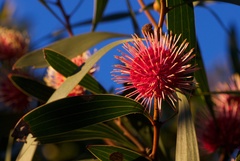 Hakea laurina Cushion hakea Photo: CC BY, Jon Sullivan
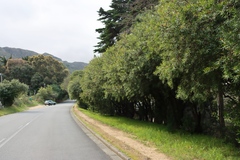 Hakea salicifolia Finger hakea Photo: CC BY-SA, Tony Rebelo
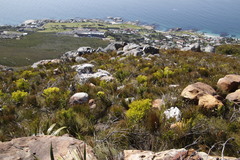 Hakea drupacea Sweet hakea Photo: CC BY-SA, Tony Rebelo
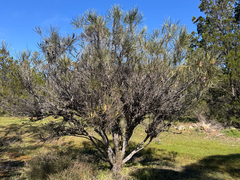 Hakea francisiana Emu Tree Photo: CC0, Joshua S. Martin
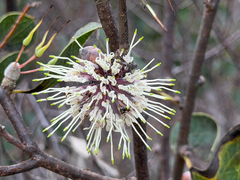 Hakea petiolaris Sea urchin hakea Photo: CC BY, smathichong
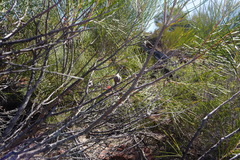 Hakea orthorrhyncha Bird Beak Hakea Photo: CC BY, Kim Lapere
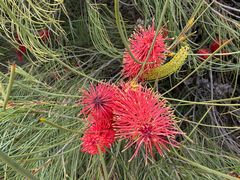 Hakea bucculenta Red pokers Photo: CC BY, smathichong
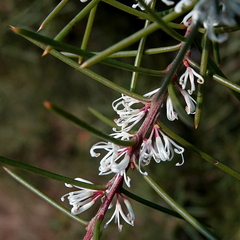 Hakea decurrens Bushy Needlewood Photo: CC BY, Max Campbell
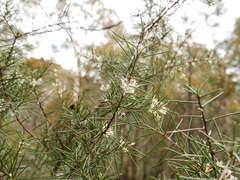 Hakea sericea Bushy needlewood Photo: CC BY, Nathan Odgers
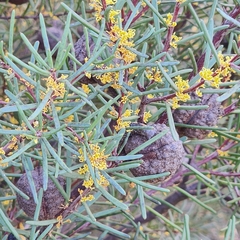 Hakea nodosa Photo: CC0, swampyswampy
 Hakea victoria Lantern Hakea Photo: CC BY, Em Lamond
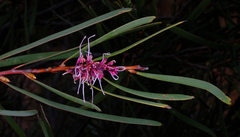 Hakea multilineata Grass-leaf hakea Photo: CC BY, Peter Crowcroft
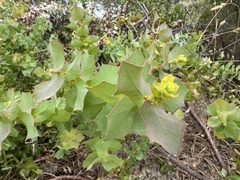 Hakea prostrata Harsh Hakea Photo: CC BY, Caleb Catto
 Hakea actites Mulloway needle bush Photo: CC BY-SA, Greg Tasney
Hakea archaeoides Big Nellie Hakea Photo: CC BY, Michael Hains
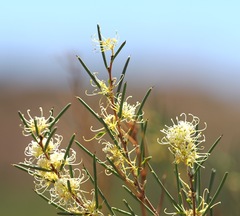 Hakea leucoptera Needle hakea Photo: CC BY, desertnaturalist
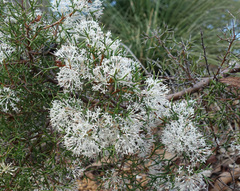 Hakea lissocarpha Honey Bush Photo: CC BY, yatesy
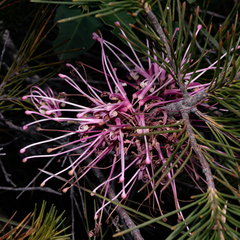 Hakea bakeriana Photo: CC BY, Daniel Stephan
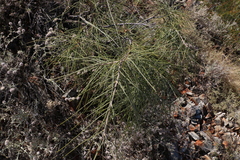 Hakea lorea Bootlace oak Photo: CC BY-SA, Greg Tasney
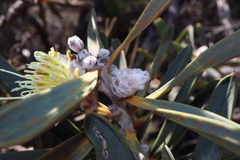 Hakea cinerea Photo: CC BY, Thomas Mesaglio
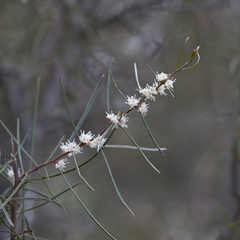 Hakea carinata Erect hakea Photo: CC BY, Kym Nicolson
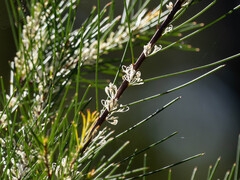 Hakea macraeana Photo: CC BY, Kerri-Lee Harris
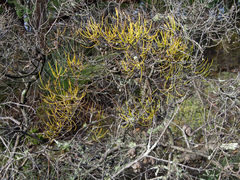 Hakea rostrata Beaked hakea Photo: CC BY, Terra Occ
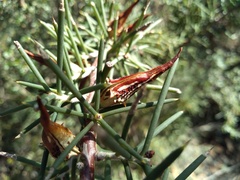 Hakea teretifolia Dagger hakea Photo: CC BY, grampianshiker
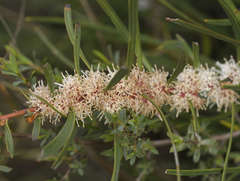 Hakea ulicina Furze Hakea Photo: CC BY, Chris Clarke
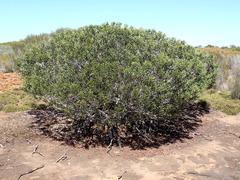 Hakea clavata Coastal Hakea Photo: CC BY, Em Lamond
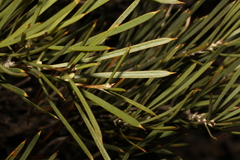 Hakea corymbosa Cauliflower hakea Photo: CC BY-SA, Greg Tasney
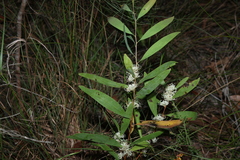 Hakea florulenta Three-nerved willow hakea Photo: CC BY-SA, Greg Tasney
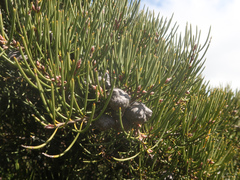 Hakea lissosperma Mountain needlewood Photo: CC0, Cowirrie
 Hakea cucullata Hood-leaved hakea Photo: CC BY, botanygirl
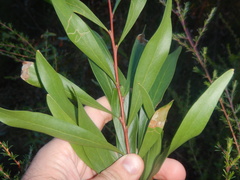 Hakea eriantha Tree Hakea Photo: CC BY, Bryce Watts-Parker
 Hakea florida Photo: CC BY, Kym Nicolson
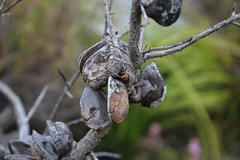 Hakea gibbosa Rock hakea Photo: CC BY-SA, Tony Rebelo
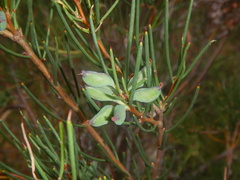 Hakea microcarpa Small-fruit Hakea Photo: CC BY, Bryce Watts-Parker
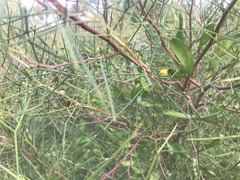 Hakea trifurcata Two-leaf Hakea Photo: CC BY, Ann Bentley
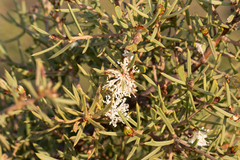 Hakea varia Variable-leaf hakea Photo: CC BY, Kym Nicolson
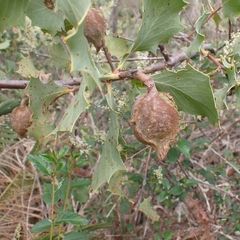 Hakea cristata Snail Hakea Photo: CC BY, Luke Lythgoe
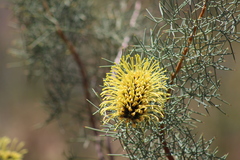 Hakea divaricata Photo: CC0, Jess Miller-Camp
 Hakea grammatophylla MacDonnell Ranges hakea Photo: CC BY, Nina Kerr
 Hakea platysperma Broad-seed hakea Photo: CC BY-SA, Ji-Elle
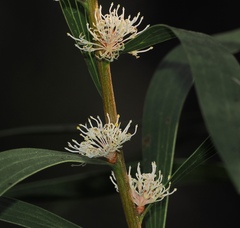 Hakea dactyloides Finger hakea Photo: CC BY, desertnaturalist
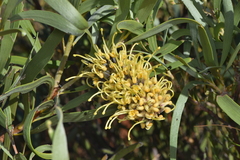 Hakea macrocarpa Photo: CC BY-SA, Kate Brown
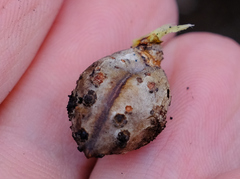 Hakea mitchellii Desert Hakea Photo: CC BY, Peter Crowcroft
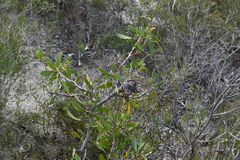 Hakea nitida Shining Hakea Photo: CC BY, Em Lamond
 Hakea ochroptera Photo: CC BY-SA, Geoff Derrin
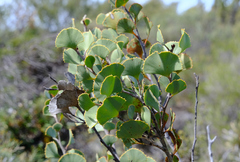 Hakea brownii Photo: CC BY, Peter Crowcroft
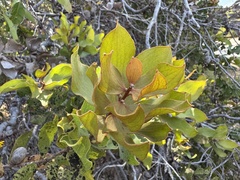 Hakea elliptica Photo: CC BY, Caleb Catto
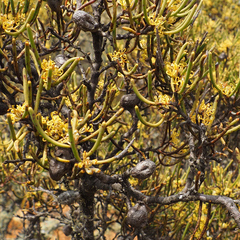 Hakea epiglottis Beaked hakea Photo: CC0, Cowirrie
Grown: iNaturalist's observations of the species marked captive or cultivated; "not counted" where the species list does not count it. Native ranges: Kew's World Checklist of Vascular Plants (Govaerts et al., CC BY 4.0), file of 4 June 2026. Grown: iNaturalist's observations marked captive or cultivated, counted 17 October 2026 (the species list's count). Habitat climate known: the species page has a habitat climate, read from CHELSA's monthly climate and NASA POWER's daily extremes at its well-placed wild records inside Kew's native range; each page says its own sources and days. Record low: the lowest night in NASA POWER's daily series at the habitat's typical spot, as the species page gives it, held in °C to a tenth and shown in your units; each page says its own years and day read. Counts as the reference built on 19 November 2026 holds them. The CSV holds every result, not only this page's.