Harrisia
14 species in the reference · family Cactaceae · 13 with a habitat climate · 13 grown, per iNaturalist, 1 not counted
Where Harrisia is native
| Argentina Northeast | 5 |
|---|---|
| Bolivia | 4 |
| Paraguay | 4 |
| Argentina Northwest | 2 |
| Brazil West-Central | 2 |
| Florida | 2 |
| Uruguay | 2 |
| Bahamas | 1 |
| Brazil Northeast | 1 |
| Brazil Southeast | 1 |
| Cayman Is. | 1 |
| Cuba | 1 |
Species native to each region. A species counts in every region it is native to. Native ranges: Kew's World Checklist of Vascular Plants (Govaerts et al., CC BY 4.0), file of 4 June 2026.
14 species
Harrisia
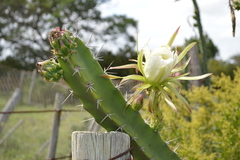 Harrisia bonplandii Giant Red Dragon Apple Cactus Photo: CC BY, Hildegard Klein
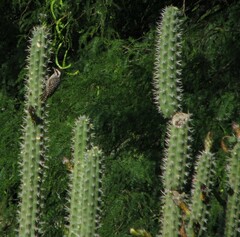 Harrisia tetracantha Photo: CC BY, Peter L Achuff
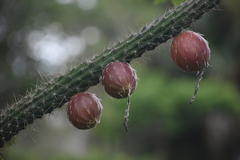 Harrisia fragrans Caribbean apple cactus Photo: CC BY, Ryan Watson
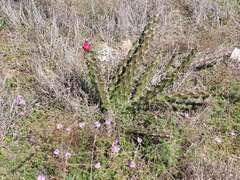 Harrisia martinii Moon cactus Photo: CC BY-SA, Ruth Palsson
 Harrisia aboriginum Photo: CC BY, James St. John
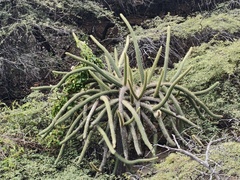 Harrisia divaricata Photo: CC BY, fmunoz
 Harrisia pomanensis Midnight-lady Photo: CC0, Étienne Lacroix-Carignan
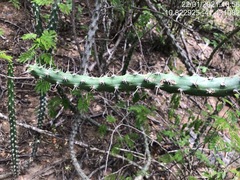 Harrisia adscendens Photo: CC BY-SA, vitordematos12
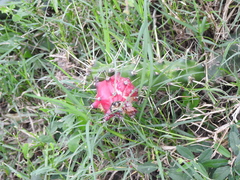 Harrisia regelii Photo: CC BY, Eduardo Luis Beltrocco
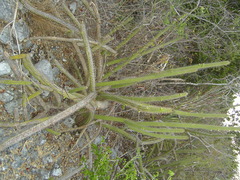 Harrisia brookii Brook's dildo Photo: CC BY-SA, Stephanie Dolrenry
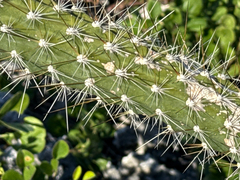 Harrisia caymanensis Photo: CC0, Tia Tyler
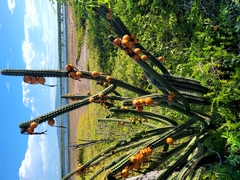 Harrisia gracilis Photo: CC BY, Damion Laren Whyte
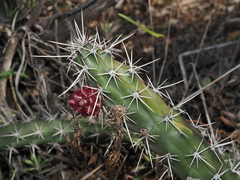 Harrisia tortuosa Spiny Snake Cactus Photo: CC BY, Thomas Mesaglio
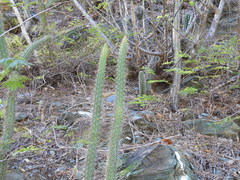 Harrisia eriophora Fragrant prickly-apple Photo: CC BY, amantedarmanin
Grown: iNaturalist's observations of the species marked captive or cultivated; "not counted" where the species list does not count it. Native ranges: Kew's World Checklist of Vascular Plants (Govaerts et al., CC BY 4.0), file of 4 June 2026. Grown: iNaturalist's observations marked captive or cultivated, counted 17 October 2026 (the species list's count). Habitat climate known: the species page has a habitat climate, read from CHELSA's monthly climate and NASA POWER's daily extremes at its well-placed wild records inside Kew's native range; each page says its own sources and days. Record low: the lowest night in NASA POWER's daily series at the habitat's typical spot, as the species page gives it, held in °C to a tenth and shown in your units; each page says its own years and day read. Counts as the reference built on 19 November 2026 holds them. The CSV holds every result, not only this page's.