Juniperus
56 species in the reference · family Cupressaceae · 50 with a habitat climate · 55 grown, per iNaturalist, 1 not counted
About the genus
Junipers are coniferous trees and shrubs in the genus Juniperus of the cypress family Cupressaceae. Depending on the taxonomic authority, between 50 and 67 species of junipers are widely distributed throughout the Northern Hemisphere. The highest-known juniper forest occurs at an altitude of 4,900 metres (16,100 ft) in southeastern Tibet and the northern Himalayas, creating one of the highest tree lines on earth.
Quoted from Wikipedia, "Juniper", its opening paragraph, revision 1382399259, read 2026-11-08, CC BY-SA 4.0.
Where Juniperus is native
| Mexico Northeast | 10 |
|---|---|
| China North-Central | 9 |
| Turkey | 9 |
| Arizona | 8 |
| China South-Central | 8 |
| Greece | 8 |
| Spain | 8 |
| Texas | 8 |
| Albania | 7 |
| France | 7 |
| Italy | 7 |
| Lebanon-Syria | 7 |
Species native to each region. A species counts in every region it is native to. Native ranges: Kew's World Checklist of Vascular Plants (Govaerts et al., CC BY 4.0), file of 4 June 2026.
56 species
Juniperus
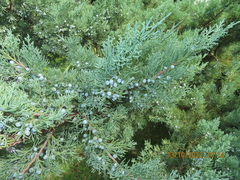 Juniperus chinensis Chinese juniper Photo: CC BY, Anton Popovich
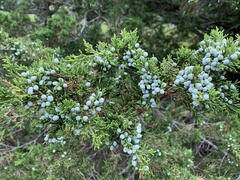 Juniperus virginiana Eastern red-cedar Photo: CC BY, Juvia Heuchert
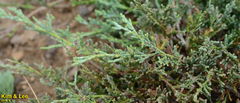 Juniperus horizontalis Creeping juniper Photo: CC BY, Kim, Hyun-tae
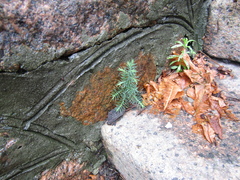 Juniperus communis Common juniper Photo: CC BY, Oleksandr Shynder
 Juniperus squamata Flaky juniper Photo: CC BY, 胡正恆(Jackson Hu)
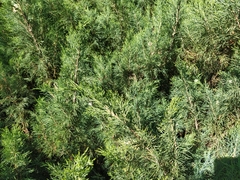 Juniperus sabina Savin Photo: CC0, Виктория
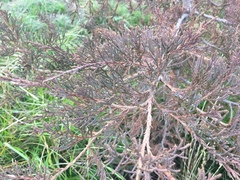 Juniperus scopulorum Rocky Mountain juniper Photo: CC0, Daryl Nolan
 Juniperus rigida Needle juniper Photo: CC BY-SA, lejones417
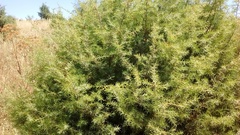 Juniperus oxycedrus Cade juniper Photo: CC BY, ARBA Tres Cantos
 Juniperus procumbens Creeping Juniper Photo: Public domain, Littleinfo
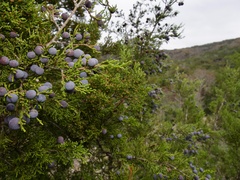 Juniperus ashei Ashe juniper Photo: CC BY-SA, Turner Brockman
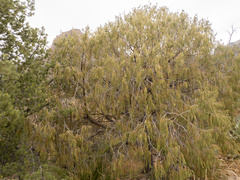 Juniperus flaccida Drooping juniper Photo: CC BY-SA, Turner Brockman
 Juniperus × pfitzeriana Pfitzer juniper Photo: CC BY, Daniel Thornton
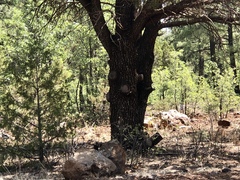 Juniperus deppeana Alligator juniper Photo: CC BY, CK2AZ
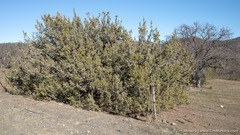 Juniperus californica California juniper Photo: CC BY, Tim Messick
 Juniperus cedrus Canary Islands juniper Photo: CC BY, agujaceratops
 Juniperus thurifera Spanish juniper Photo: CC BY, Oleg Kosterin
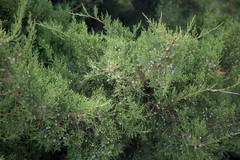 Juniperus excelsa Grecian juniper Photo: CC BY, Anastasia_Surkova
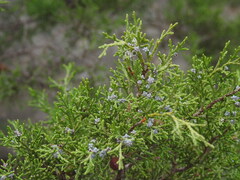 Juniperus turbinata Photo: CC BY, Duarte Frade
 Juniperus osteosperma Utah juniper Photo: CC BY, Michael J. Papay
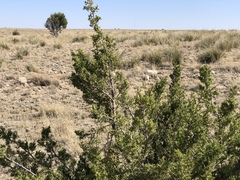 Juniperus monosperma One-seed juniper Photo: CC BY, CK2AZ
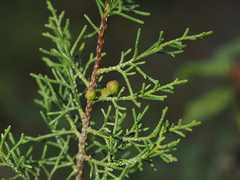 Juniperus phoenicea Phoenician juniper Photo: CC BY, Louis Aureglia
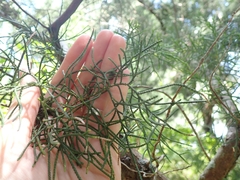 Juniperus bermudiana Bermuda cedar Photo: CC0, Tim Kirsten
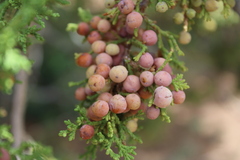 Juniperus coahuilensis Redberry juniper Photo: CC BY, Rodolfo Maximiliano Gutiérrez-Sánchez
 Juniperus occidentalis Western juniper Photo: CC BY, Dominic Gentilcore
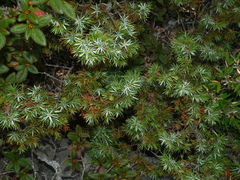 Juniperus formosana Formosan juniper Photo: CC BY, Jacy Chen
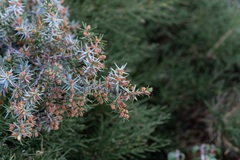 Juniperus macrocarpa Large-fruited Juniper Photo: CC BY, Eleftherios Katsillis
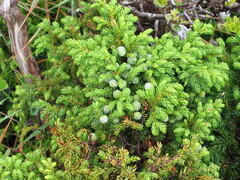 Juniperus brevifolia Azores Juniper Photo: CC BY, zebedeugalinha
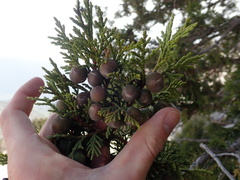 Juniperus foetidissima Stinking juniper Photo: CC0, John Kenrick Gibson
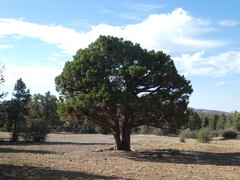 Juniperus grandis Western juniper Photo: CC BY, Eric Johnson
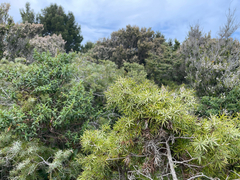 Juniperus deltoides Photo: CC BY, Harrison J Elkins
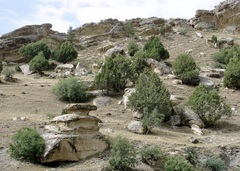 Juniperus semiglobosa Pencil cedar Photo: CC BY, Dr. Alexey Yakovlev
 Juniperus canariensis Photo: CC BY, Vítor Jorge
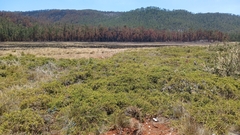 Juniperus gracilior Hispaniolan juniper Photo: CC BY, Mario Guzmán
 Juniperus arizonica Arizona Juniper Photo: CC0, Cecelia Alexander
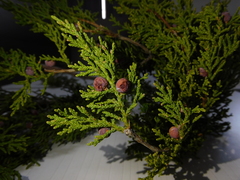 Juniperus pinchotii Pinchot juniper Photo: CC BY, Jonathan Rodriguez
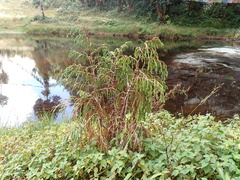 Juniperus recurva Drooping juniper Photo: CC BY, Sagnik Dutta Roy
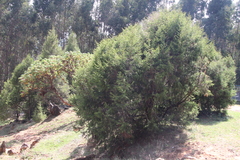 Juniperus procera African juniper Photo: CC0, Erwin Sieben
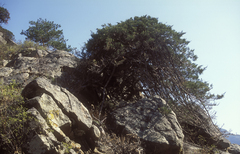 Juniperus pseudosabina Turkestan juniper Photo: CC BY, Oleg Kosterin
 Juniperus polycarpos Eastern juniper Photo: CC BY, Oleg Kosterin
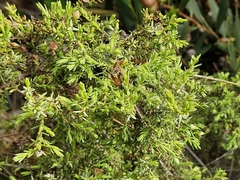 Juniperus navicularis Photo: CC BY, ahabo
 Juniperus drupacea Syrian juniper Photo: CC BY, Rafael Medina
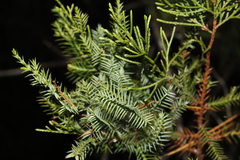 Juniperus barbadensis West Indies Juniper Photo: CC BY, J. L. Gómez-Hechavarría
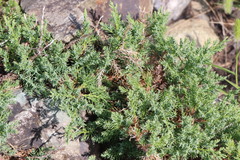 Juniperus davurica Photo: CC BY, Nina Filippova
 Juniperus pingii Photo: CC BY, Kim, Hyun-tae
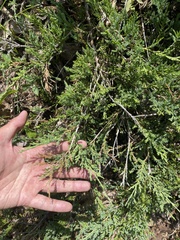 Juniperus × ambigens Photo: CC BY, Brandon Corder
- no open photograph on file Juniperus coxii
 Juniperus monticola Mexican juniper Photo: CC BY, Carlos Domínguez-Rodríguez
Grown: iNaturalist's observations of the species marked captive or cultivated; "not counted" where the species list does not count it. Native ranges: Kew's World Checklist of Vascular Plants (Govaerts et al., CC BY 4.0), file of 4 June 2026. Grown: iNaturalist's observations marked captive or cultivated, counted 17 October 2026 (the species list's count). Habitat climate known: the species page has a habitat climate, read from CHELSA's monthly climate and NASA POWER's daily extremes at its well-placed wild records inside Kew's native range; each page says its own sources and days. Record low: the lowest night in NASA POWER's daily series at the habitat's typical spot, as the species page gives it, held in °C to a tenth and shown in your units; each page says its own years and day read. Counts as the reference built on 19 November 2026 holds them. The CSV holds every result, not only this page's.