Lupinus
57 species in the reference · family Fabaceae · 57 with a habitat climate · 56 grown, per iNaturalist, 1 not counted
About the genus
Lupinus, commonly known as lupin, lupine, or regionally bluebonnet, is a genus of plants in the legume family Fabaceae. The genus includes over 199 species, with centres of diversity in North and South America. Smaller centres occur in North Africa and the Mediterranean. They are widely cultivated both as a food source and as ornamental plants, but are invasive to some areas. More on Wikipedia
Quoted from Wikipedia, "Lupinus", its opening paragraph, revision 1374459458, read 2026-11-08, CC BY-SA 4.0.
Where Lupinus is native
| California | 30 |
|---|---|
| Oregon | 20 |
| Mexico Northwest | 16 |
| Washington | 16 |
| British Columbia | 13 |
| Nevada | 12 |
| Arizona | 10 |
| Utah | 10 |
| New Mexico | 8 |
| Colorado | 6 |
| Idaho | 6 |
| Montana | 6 |
Species native to each region. A species counts in every region it is native to. Native ranges: Kew's World Checklist of Vascular Plants (Govaerts et al., CC BY 4.0), file of 4 June 2026.
57 species
Lupinus
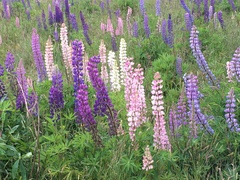 Lupinus polyphyllus Garden lupin Photo: CC BY, Henrik Kibak
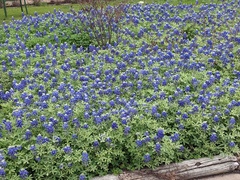 Lupinus texensis Texas bluebonnet Photo: CC0, Adam Kranz
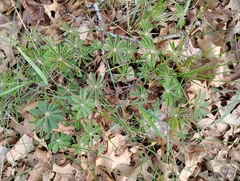 Lupinus perennis Sundial lupine Photo: CC BY, Bryce
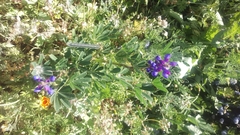 Lupinus succulentus Arroyo lupine Photo: CC BY, Isaac Krone
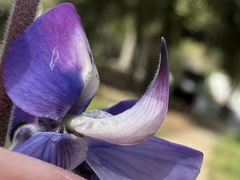 Lupinus albifrons Silver lupine Photo: CC BY, bungelina
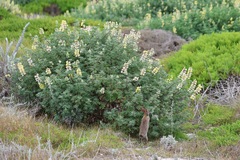 Lupinus arboreus Tree lupin Photo: CC BY, Cole Wolf
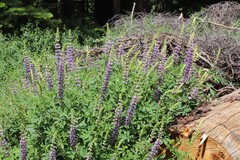 Lupinus latifolius Broad-leaved lupine Photo: CC0, Steve Woodward
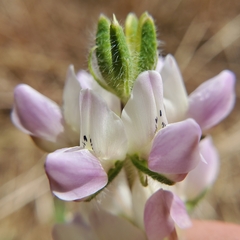 Lupinus microcarpus Chick lupine Photo: CC0, John Cowles
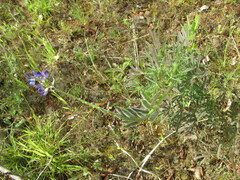 Lupinus angustifolius Narrow-leaved lupin Photo: CC BY, zebedeugalinha
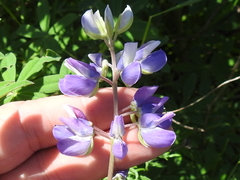 Lupinus rivularis Riverbank lupine Photo: CC BY, Sam Kieschnick
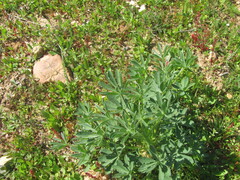 Lupinus luteus European yellow lupine Photo: CC BY, zebedeugalinha
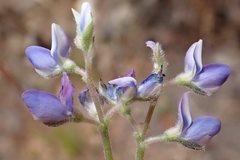 Lupinus bicolor Miniature lupine Photo: CC0, John Cowles
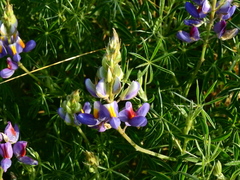 Lupinus mutabilis Andean lupine Photo: CC BY, Esteban Poveda
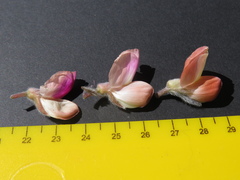 Lupinus pilosus Blue lupine Photo: CC BY, Jeremy Gilmore
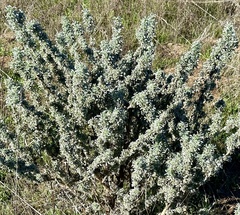 Lupinus chamissonis Chamisso bush lupine Photo: CC BY, Henrik Kibak
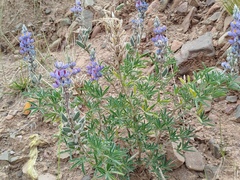 Lupinus altimontanus Photo: CC BY, Humber Alberto
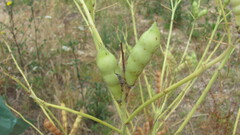 Lupinus albus White lupin Photo: CC BY, zebedeugalinha
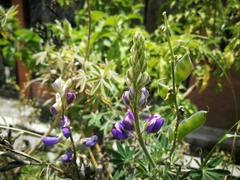 Lupinus pubescens Photo: CC BY, sandy-espinozaf
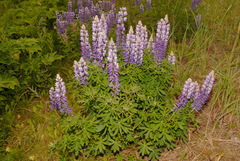 Lupinus nootkatensis Nootka lupine Photo: CC BY-SA, Brian Finzel
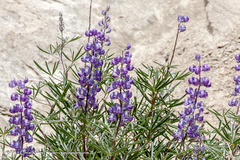 Lupinus argenteus Silvery lupine Photo: CC BY, Jay Brasher
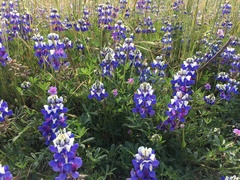 Lupinus nanus Orean blue lupin Photo: CC BY, Henrik Kibak
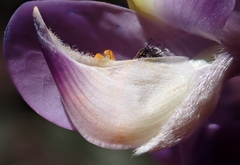 Lupinus excubitus Grape soda lupine Photo: CC0, John Cowles
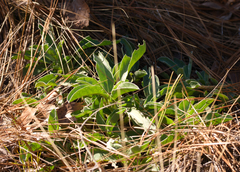 Lupinus diffusus Oak Ridge lupine Photo: CC0, Mark Connolly
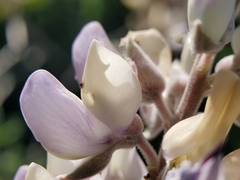 Lupinus longifolius Longleaf bush lupine Photo: CC0, John Cowles
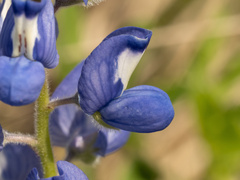 Lupinus subcarnosus Texas bluebonnet Photo: CC BY-SA, Turner Brockman
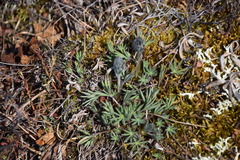 Lupinus arcticus Arctic lupine Photo: CC BY, Syd Cannings
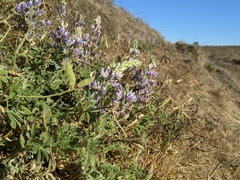 Lupinus formosus Summer lupine Photo: CC BY, Ken-ichi Ueda
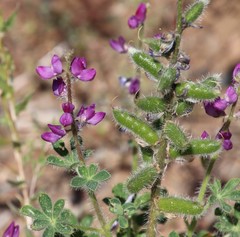 Lupinus hirsutissimus Stinging annual lupine Photo: CC BY, Millie Basden
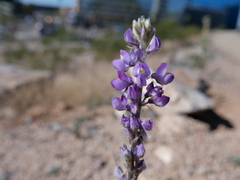 Lupinus arizonicus Arizona lupine Photo: CC BY, Joseph Rojas
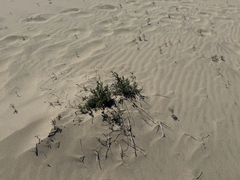 Lupinus littoralis Chinook-licorice Photo: CC BY, Jared Lincenberg
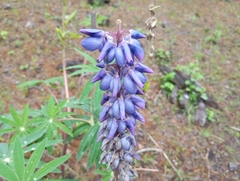 Lupinus montanus Photo: CC BY, Rodolfo Maximiliano Gutiérrez-Sánchez
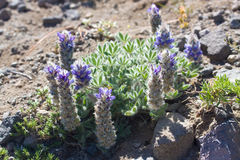 Lupinus lepidus Prairie lupine Photo: CC BY, Ken-ichi Ueda
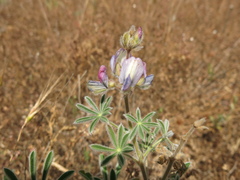 Lupinus palaestinus Palestine Lupine Photo: CC BY, Nachman bones
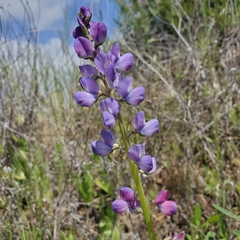 Lupinus truncatus Collared annual lupine Photo: CC0, John Cowles
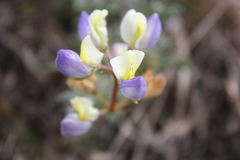 Lupinus variicolor Lindley's Varied Lupine Photo: CC0, Scott Loarie
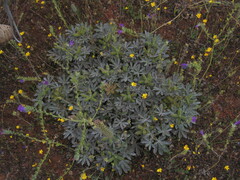 Lupinus gussoneanus Bitter Blue Lupin Photo: CC BY, zebedeugalinha
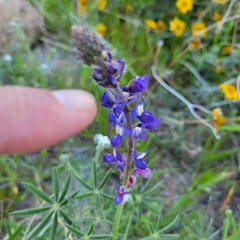 Lupinus sparsiflorus Coulter's lupine Photo: CC0, Dan Horowitz
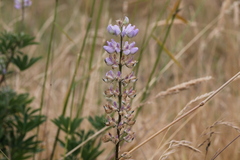 Lupinus albicaulis Sickle-keel lupine Photo: CC BY, Conquest
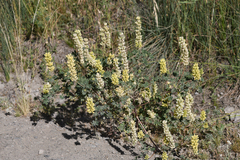 Lupinus luteolus Butter lupine Photo: CC BY, Trevor Van Loon
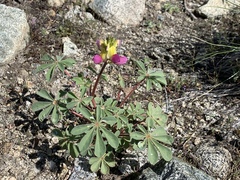 Lupinus stiversii Harlequin annual lupine Photo: CC0, Leah Gardner
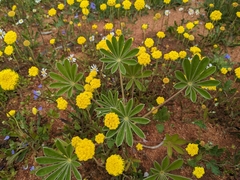 Lupinus cosentinii Hairy blue lupin Photo: CC BY, Nina Kerr
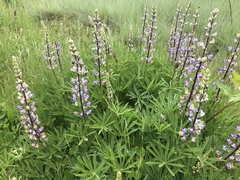 Lupinus oreganus Oregon lupine Photo: CC BY, Matt Benotsch
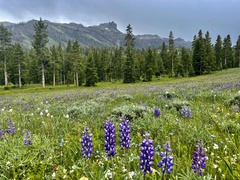 Lupinus sericeus Silky lupine Photo: CC0, Allison Clark
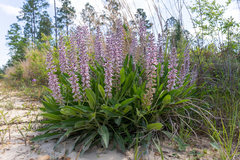 Lupinus villosus Lady lupine Photo: CC BY, evangrimes
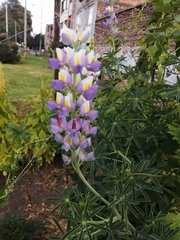 Lupinus bogotensis Photo: CC BY, GERMAN LEONEL SARMIENTO CRUZ
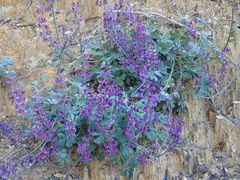 Lupinus sericatus Cobb Mountain lupine Photo: CC0, Scott Yarger
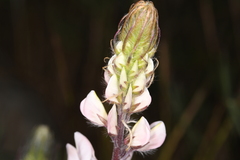 Lupinus benthamii Spider lupine Photo: CC BY, Hawk T.
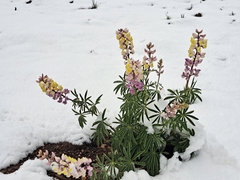 Lupinus arbustus Long-spurred lupine Photo: CC0, Deniz Wilson
Grown: iNaturalist's observations of the species marked captive or cultivated; "not counted" where the species list does not count it. Native ranges: Kew's World Checklist of Vascular Plants (Govaerts et al., CC BY 4.0), file of 4 June 2026. Grown: iNaturalist's observations marked captive or cultivated, counted 17 October 2026 (the species list's count). Habitat climate known: the species page has a habitat climate, read from CHELSA's monthly climate and NASA POWER's daily extremes at its well-placed wild records inside Kew's native range; each page says its own sources and days. Record low: the lowest night in NASA POWER's daily series at the habitat's typical spot, as the species page gives it, held in °C to a tenth and shown in your units; each page says its own years and day read. Counts as the reference built on 19 November 2026 holds them. The CSV holds every result, not only this page's.