Fabaceae
2,125 species in 390 genera · 1,978 with a habitat climate · 2,028 grown, per iNaturalist, 97 not counted
Most native to: Mexico Northeast 252Mexico Northwest 237Mexico Southwest 231Bolivia 223Spain 220Colombia 219Italy 219Mexico Gulf 216France 214New South Wales 210Yugoslavia 208Mexico Southeast 206
A species counts in every region it is native to. Native ranges: Kew's World Checklist of Vascular Plants (Govaerts et al., CC BY 4.0), file of 4 June 2026.
2,125 species
Fabaceae
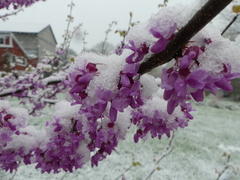 Cercis canadensis Eastern redbud Photo: CC BY, botanygirl
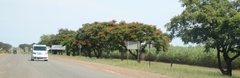 Delonix regia Royal poinciana Photo: CC BY-SA, Tony Rebelo
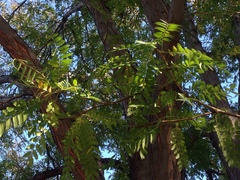 Gleditsia triacanthos Honey-locust Photo: CC0, Aaron Sidder
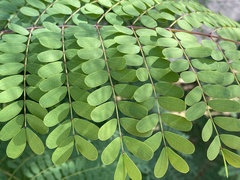 Caesalpinia pulcherrima Pride-of-Barbados Photo: CC BY, Daniel McNair
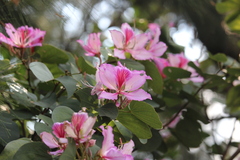 Bauhinia variegata Mountain ebony Photo: CC BY, Ricard Busquets Reverte
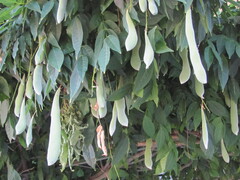 Wisteria sinensis Chinese wisteria Photo: CC BY, zebedeugalinha
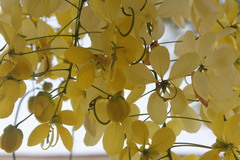 Cassia fistula Golden shower Photo: CC BY-SA, Juan Cruzado Cortés
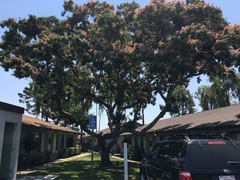 Albizia julibrissin Silk tree Photo: CC BY, Mark
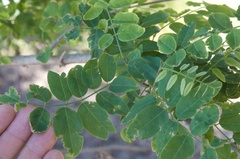 Robinia pseudoacacia False acacia Photo: CC BY, Jon Sullivan
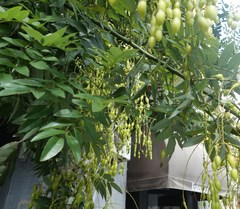 Styphnolobium japonicum Japanese pagoda tree Photo: CC BY-SA, Jan Vršovský
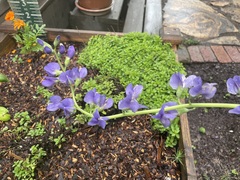 Baptisia australis Blue wild indigo Photo: CC BY-SA, lejones417
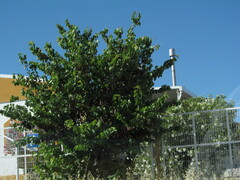 Cercis siliquastrum Judas-tree Photo: CC BY, zebedeugalinha
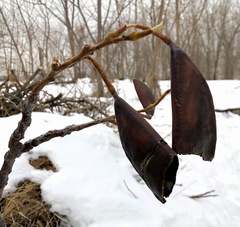 Gymnocladus dioicus Kentucky coffee-tree Photo: CC BY-SA, Nova Patch
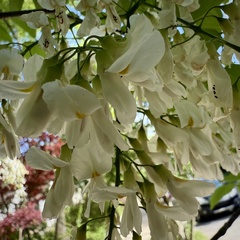 Cladrastis kentukea Kentucky yellowwood Photo: CC BY, Caroline Kane
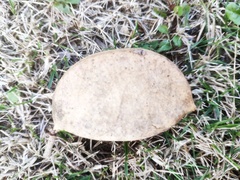 Pongamia pinnata Indian beech tree Photo: CC BY, 四角銅鑼
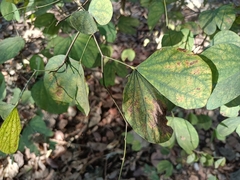 Bauhinia purpurea Butterfly tree Photo: CC BY, 五色鳥
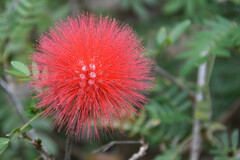 Calliandra haematocephala Stickpea Photo: CC BY, Jay Pruett
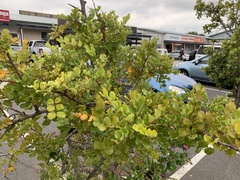 Ceratonia siliqua Carob Photo: CC BY, Dave Richardson
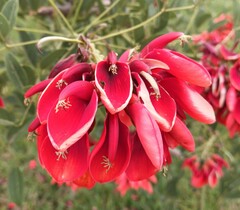 Erythrina crista-galli Cockspur coral tree Photo: CC BY-SA, Oscar Alejandro Morales Juárez
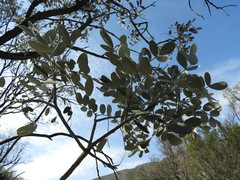 Dermatophyllum secundiflorum Mescal-bean Photo: CC BY, Karla M. Benítez
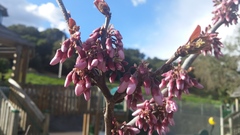 Cercis occidentalis California redbud Photo: CC BY, Jeremiah Degenhardt
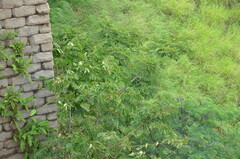 Samanea saman Rain tree Photo: CC BY, Liam Steele
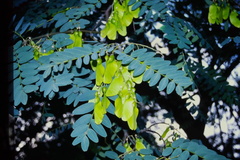 Tipuana tipu Tiputree Photo: CC BY, zebedeugalinha
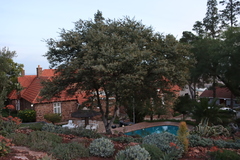 Acacia baileyana Bailey's acacia Photo: CC BY-SA, Tony Rebelo
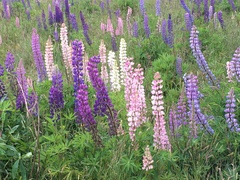 Lupinus polyphyllus Garden lupin Photo: CC BY, Henrik Kibak
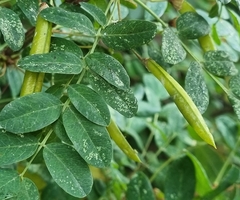 Caragana arborescens Siberian pea-tree Photo: CC BY, Владимир Дворкин
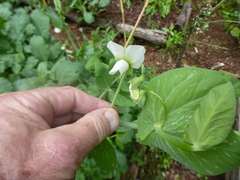 Lathyrus oleraceus Garden pea Photo: CC0, Ira Gershenhorn
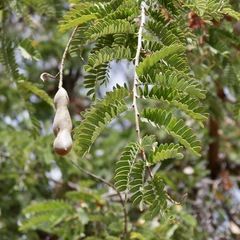 Tamarindus indica Tamarind Photo: CC BY, Bill Levine
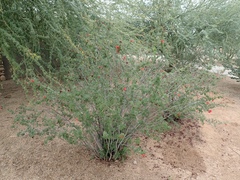 Calliandra californica Baja fairy duster Photo: CC BY, John Brew
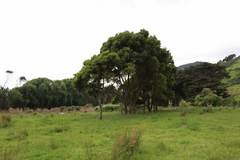 Acacia melanoxylon Blackwood Photo: CC BY, Andy McKay
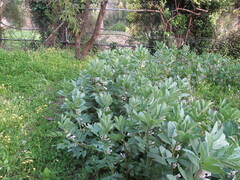 Vicia faba Broad bean Photo: CC BY, zebedeugalinha
 Phaseolus vulgaris French bean Photo: CC BY, Diogo Luiz
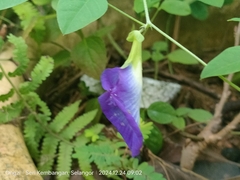 Clitoria ternatea Asian pigeonwings Photo: CC BY, Ong Jyh Seng
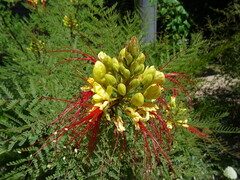 Erythrostemon gilliesii Bird of paradise Photo: CC BY, Y. Liu
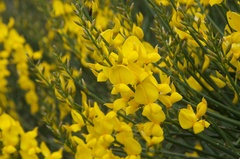 Spartium junceum Spanish broom Photo: CC BY, Jon Sullivan
 Peltophorum pterocarpum Yellow flame Photo: CC BY, Mitul and Vijul Singh
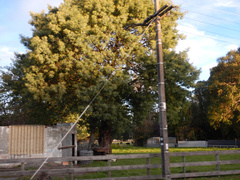 Acacia dealbata Silver wattle Photo: CC BY, Jon Sullivan
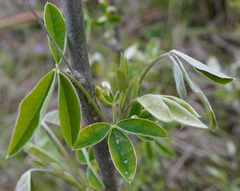 Laburnum anagyroides Golden chain tree Photo: CC BY, Patrick Hacker
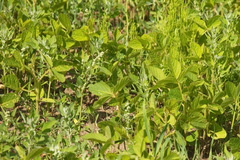 Glycine max Soya-bean Photo: CC BY, Вячеслав Юсупов
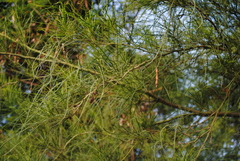 Parkinsonia aculeata Jerusalem thorn Photo: CC BY, Bere Mata
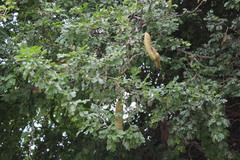 Ebenopsis ebano Texas ebony Photo: CC BY-SA, Francisco Martínez González
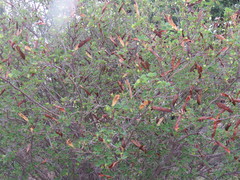 Bauhinia lunarioides Texasplume Photo: CC BY, johnyochum
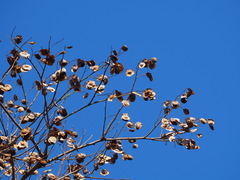 Pterocarpus indicus Amboyna wood Photo: CC0, 葉子
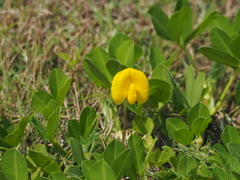 Arachis pintoi Pinto peanut Photo: CC0, 葉子
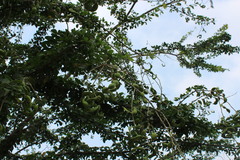 Pithecellobium dulce Monkeypod Photo: CC BY-SA, Francisco Martínez González
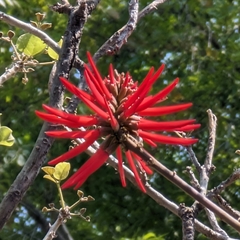 Erythrina americana American Coral Tree Photo: CC BY-SA, Leonardo Manuel Baez Schuh
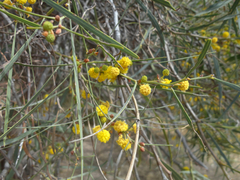 Acacia retinodes Silver wattle Photo: CC BY, Juan Carlos Fonseca Mata
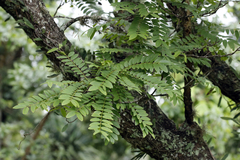 Cassia leptophylla Gold medallion tree Photo: CC0, Paula Romano
Grown: iNaturalist's observations of the species marked captive or cultivated; "not counted" where the species list does not count it. Native ranges: Kew's World Checklist of Vascular Plants (Govaerts et al., CC BY 4.0), file of 4 June 2026. Grown: iNaturalist's observations marked captive or cultivated, counted 17 October 2026 (the species list's count). Habitat climate known: the species page has a habitat climate, read from CHELSA's monthly climate and NASA POWER's daily extremes at its well-placed wild records inside Kew's native range; each page says its own sources and days. Record low: the lowest night in NASA POWER's daily series at the habitat's typical spot, as the species page gives it, held in °C to a tenth and shown in your units; each page says its own years and day read. Counts as the reference built on 19 November 2026 holds them. The CSV holds every result, not only this page's.