Ocimum
12 species in the reference · family Lamiaceae · 11 with a habitat climate · 12 grown, per iNaturalist
About the genus
Ocimum is a genus of aromatic annual and perennial herbs and shrubs in the family Lamiaceae, native to the tropical and warm temperate regions of all 6 inhabited continents, with the greatest number of species in Africa. Its best known species are the cooking herb basil, O. basilicum, and the medicinal herb tulsi (holy basil), O. tenuiflorum.
Quoted from Wikipedia, "Ocimum", its opening paragraph, revision 1306451983, read 2026-11-08, CC BY-SA 4.0.
Where Ocimum is native
| Ethiopia | 6 |
|---|---|
| Kenya | 6 |
| Mozambique | 6 |
| Tanzania | 6 |
| Uganda | 6 |
| Bangladesh | 5 |
| Cameroon | 5 |
| India | 5 |
| Jawa | 5 |
| KwaZulu-Natal | 5 |
| Malawi | 5 |
| Northern Provinces | 5 |
Species native to each region. A species counts in every region it is native to. Native ranges: Kew's World Checklist of Vascular Plants (Govaerts et al., CC BY 4.0), file of 4 June 2026.
12 species
Ocimum
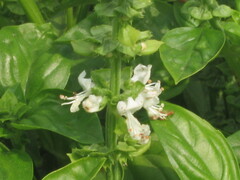 Ocimum basilicum Sweet basil Photo: CC BY, zebedeugalinha
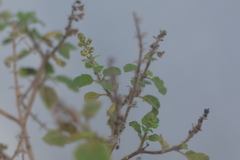 Ocimum tenuiflorum Holy basil Photo: CC BY, Ajay
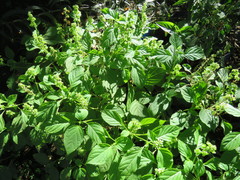 Ocimum campechianum Least basil Photo: CC BY-SA, jmmaes
 Ocimum gratissimum African basil Photo: CC BY, Cajá-manga
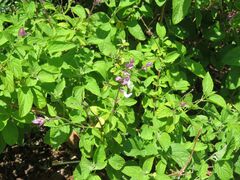 Ocimum labiatum Large Shellbush Photo: CC BY, Bruno - Yolande Zanette
 Ocimum × africanum Lemon basil Photo: CC BY-SA, AnnLazaro
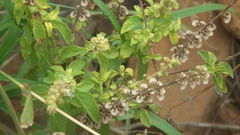 Ocimum americanum American basil Photo: CC BY, Shaun Swanepoel
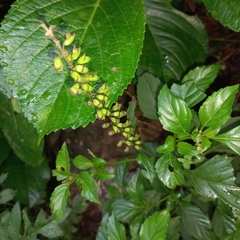 Ocimum carnosum Photo: CC BY, Patrícia Mees
Ocimum kilimandscharicum Camphor basil Photo: CC BY-SA, Susan Brown
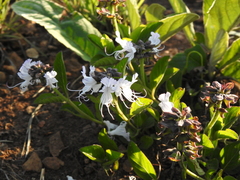 Ocimum obovatum Photo: CC BY, katuchka
 Ocimum reclinatum Photo: CC BY-SA, Chris Vynbos
Ocimum lamiifolium Photo: CC BY-SA, Susan Brown
Grown: iNaturalist's observations of the species marked captive or cultivated; "not counted" where the species list does not count it. Native ranges: Kew's World Checklist of Vascular Plants (Govaerts et al., CC BY 4.0), file of 4 June 2026. Grown: iNaturalist's observations marked captive or cultivated, counted 17 October 2026 (the species list's count). Habitat climate known: the species page has a habitat climate, read from CHELSA's monthly climate and NASA POWER's daily extremes at its well-placed wild records inside Kew's native range; each page says its own sources and days. Record low: the lowest night in NASA POWER's daily series at the habitat's typical spot, as the species page gives it, held in °C to a tenth and shown in your units; each page says its own years and day read. Counts as the reference built on 19 November 2026 holds them. The CSV holds every result, not only this page's.