Ononis
10 species in the reference · family Fabaceae · 10 with a habitat climate · 10 grown, per iNaturalist
About the genus
Ononis is a genus of 80–90 species of perennial herbs and subshrubs in the legume family Fabaceae. The members of this genus are called restharrows; an old spelling "wrestharrows" is also recorded from 1965. as some species grow as weeds on arable lands where their tough roots would catch and stop the harrow. The genus is native to Europe, northern and eastern Africa, and western and central Asia.
Quoted from Wikipedia, "Ononis", its opening paragraph, revision 1340417629, read 2026-11-08, CC BY-SA 4.0.
Where Ononis is native
| Algeria | 8 |
|---|---|
| France | 8 |
| Morocco | 8 |
| Spain | 8 |
| Italy | 7 |
| Tunisia | 5 |
| Austria | 4 |
| Libya | 4 |
| Portugal | 4 |
| Sardegna | 4 |
| Switzerland | 4 |
| Yugoslavia | 4 |
Species native to each region. A species counts in every region it is native to. Native ranges: Kew's World Checklist of Vascular Plants (Govaerts et al., CC BY 4.0), file of 4 June 2026.
10 species
Ononis
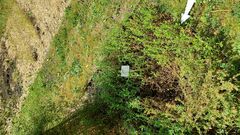 Ononis spinosa Spiny restharrow Photo: CC0, edouard-brulhart
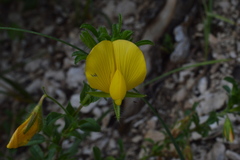 Ononis natrix Yellow restharrow Photo: CC0, Irene Saltini
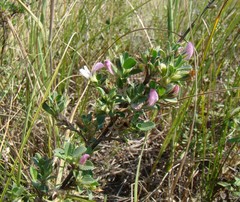 Ononis arvensis Field restharrow Photo: CC BY, Юрий Данилевский (Yuriy Danilevsky)
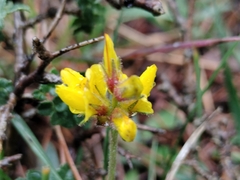 Ononis aragonensis Photo: CC BY, Rafael Medina
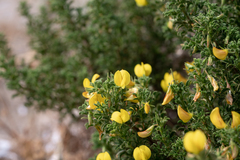 Ononis ramosissima Bush Restharrow Photo: CC BY, Eleftherios Katsillis
 Ononis rotundifolia Round-leaved restharrow Photo: CC BY, Alessia Guggisberg
 Ononis cristata Mount Cenis restharrow Photo: CC BY, Daniel Cahen
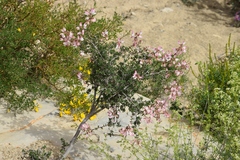 Ononis fruticosa Shrubby restharrow Photo: CC BY, Karim Haddad
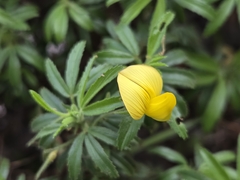 Ononis angustissima Photo: CC BY, Bellsprout
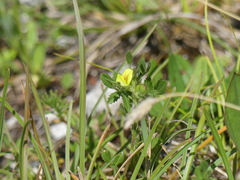 Ononis pusilla Dwarf Restharrow Photo: CC BY, DDutrey
Grown: iNaturalist's observations of the species marked captive or cultivated; "not counted" where the species list does not count it. Native ranges: Kew's World Checklist of Vascular Plants (Govaerts et al., CC BY 4.0), file of 4 June 2026. Grown: iNaturalist's observations marked captive or cultivated, counted 17 October 2026 (the species list's count). Habitat climate known: the species page has a habitat climate, read from CHELSA's monthly climate and NASA POWER's daily extremes at its well-placed wild records inside Kew's native range; each page says its own sources and days. Record low: the lowest night in NASA POWER's daily series at the habitat's typical spot, as the species page gives it, held in °C to a tenth and shown in your units; each page says its own years and day read. Counts as the reference built on 19 November 2026 holds them. The CSV holds every result, not only this page's.