Physalis
23 species in the reference · family Solanaceae · 23 with a habitat climate · 23 grown, per iNaturalist
About the genus
Physalis (, , , from Ancient Greek: φυσαλλίς phusallís 'bladder') is a genus of approximately 75 to 90 flowering plants in the nightshade family (Solanaceae), which are native to the Americas and Australasia. At least 46 species are endemic to Mexico. Cultivated and weedy species have been introduced worldwide. A defining feature of Physalis is a large, papery husk derived from the calyx, which partly or fully encloses the fruit. More on Wikipedia
Quoted from Wikipedia, "Physalis", its opening paragraph, revision 1375210110, read 2026-11-08, CC BY-SA 4.0.
Where Physalis is native
| Mexico Northeast | 16 |
|---|---|
| Mexico Southeast | 13 |
| Mexico Southwest | 13 |
| Alabama | 12 |
| Mexico Gulf | 12 |
| Mexico Northwest | 12 |
| Texas | 12 |
| Mexico Central | 10 |
| Mississippi | 10 |
| Arkansas | 9 |
| Florida | 9 |
| Georgia | 9 |
Species native to each region. A species counts in every region it is native to. Native ranges: Kew's World Checklist of Vascular Plants (Govaerts et al., CC BY 4.0), file of 4 June 2026.
23 species
Physalis
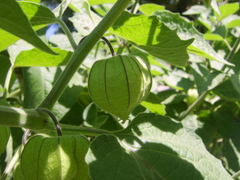 Physalis peruviana Cape-gooseberry Photo: CC BY, Tursaka
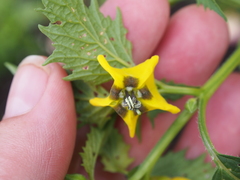 Physalis philadelphica Large-flowered Tomatillo Photo: CC BY-SA, Vilseskogen
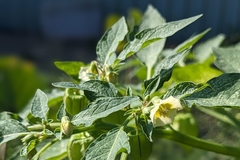 Physalis angulata Cut-leaf ground-cherry Photo: CC BY-SA, 許文俊
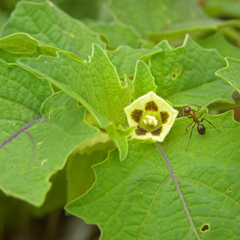 Physalis grisea Strawberry-tomato Photo: CC BY, M. Whitson
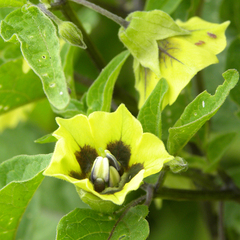 Physalis longifolia Long-leaf ground-cherry Photo: CC BY, M. Whitson
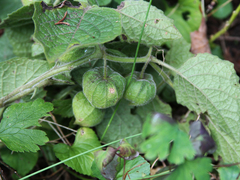 Physalis heterophylla Clammy ground-cherry Photo: CC BY, Randy A Nonenmacher
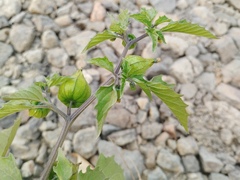 Physalis ixocarpa Photo: CC BY-SA, Josep Gesti
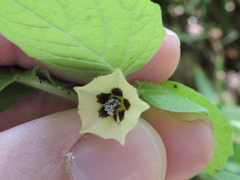 Physalis pubescens Low ground-cherry Photo: CC BY, Sam Kieschnick
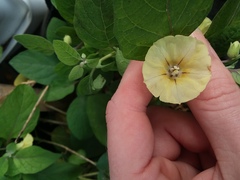 Physalis walteri Walter's groundcherry Photo: CC0, Nonbinary-Naturalist
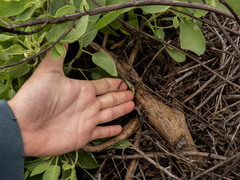 Physalis cinerascens Smallflower groundcherry Photo: CC BY-SA, Turner Brockman
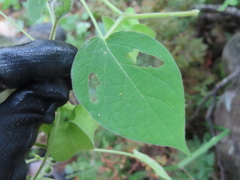 Physalis pruinosa Strawberry tomato Photo: CC BY, Ulises Pinedo
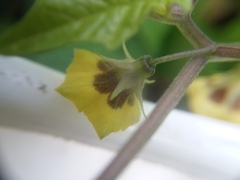 Physalis cordata Heartleaf groundcherry Photo: CC0, Nonbinary-Naturalist
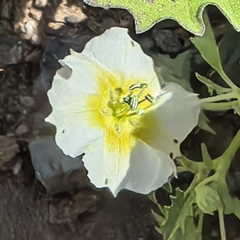 Physalis acutifolia Wright's ground-cherry Photo: CC0, Sinaloa Silvestre
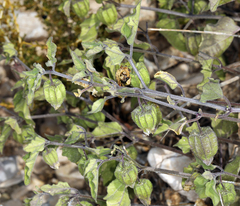 Physalis hederifolia Ivyleaf groundcherry Photo: CC BY, Steve Matson
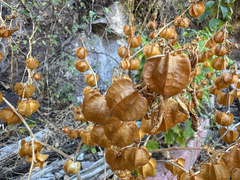 Physalis nicandroides Photo: CC BY, John Leszczynski
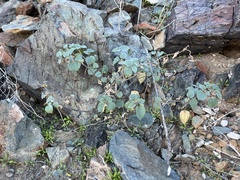 Physalis crassifolia Yellow nightshade groundcherry Photo: CC BY, Ian McFaul
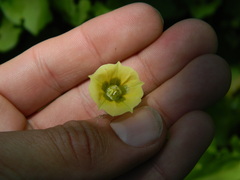 Physalis viscosa Stellate ground-cherry Photo: CC BY, Eduardo Luis Beltrocco
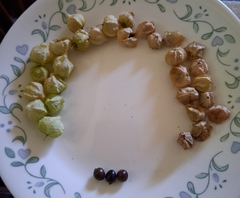 Physalis solanacea Photo: CC BY, Charlie Meador
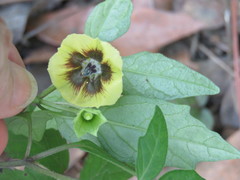 Physalis virginiana Virginia ground-cherry Photo: CC BY, Laura Clark
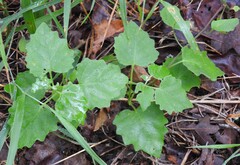 Physalis mollis Field groundcherry Photo: CC BY, saltyhiker
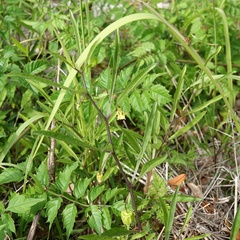 Physalis angustifolia Coastal groundcherry Photo: CC BY-SA, Stan Shebs
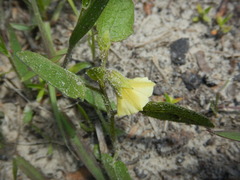 Physalis arenicola Cypresshead groundcherry Photo: CC BY, Ryan Watson
 Physalis coztomatl Cotztomatl Photo: CC BY, Guillermo Huerta Ramos
Grown: iNaturalist's observations of the species marked captive or cultivated; "not counted" where the species list does not count it. Native ranges: Kew's World Checklist of Vascular Plants (Govaerts et al., CC BY 4.0), file of 4 June 2026. Grown: iNaturalist's observations marked captive or cultivated, counted 17 October 2026 (the species list's count). Habitat climate known: the species page has a habitat climate, read from CHELSA's monthly climate and NASA POWER's daily extremes at its well-placed wild records inside Kew's native range; each page says its own sources and days. Record low: the lowest night in NASA POWER's daily series at the habitat's typical spot, as the species page gives it, held in °C to a tenth and shown in your units; each page says its own years and day read. Counts as the reference built on 19 November 2026 holds them. The CSV holds every result, not only this page's.