Phytolacca
13 species in the reference · family Phytolaccaceae · 11 with a habitat climate · 13 grown, per iNaturalist
About the genus
Phytolacca is a genus of perennial plants native to North America, South America and East Asia. Some members of the genus are known as pokeweeds or similar names such as pokebush, pokeberry, pokeroot or poke sallet. Other names for species of Phytolacca include inkberry and ombú. The generic name is derived from the Greek word φυτόν (phyton), meaning "plant," and the Latin word lacca, a red dye. More on Wikipedia
Quoted from Wikipedia, "Phytolacca", its opening paragraph, revision 1371661174, read 2026-11-08, CC BY-SA 4.0.
Where Phytolacca is native
| Colombia | 7 |
|---|---|
| Peru | 7 |
| Mexico Northeast | 6 |
| Venezuela | 6 |
| Bolivia | 5 |
| Guatemala | 5 |
| Mexico Central | 5 |
| Mexico Gulf | 5 |
| Mexico Southwest | 5 |
| Argentina Northeast | 4 |
| Argentina Northwest | 4 |
| Brazil Northeast | 4 |
Species native to each region. A species counts in every region it is native to. Native ranges: Kew's World Checklist of Vascular Plants (Govaerts et al., CC BY 4.0), file of 4 June 2026.
13 species
Phytolacca
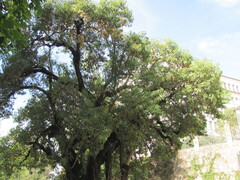 Phytolacca dioica Belhambra Photo: CC BY, zebedeugalinha
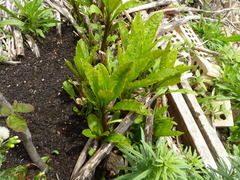 Phytolacca americana American pokeweed Photo: CC0, Ira Gershenhorn
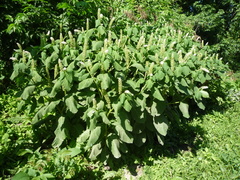 Phytolacca acinosa Indian pokeweed Photo: CC BY, Oleksandr Shynder
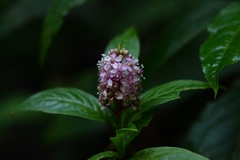 Phytolacca icosandra Tropical pokeweed Photo: CC BY, Neptalí Ramírez Marcial
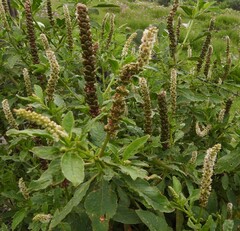 Phytolacca octandra Red inkplant Photo: CC BY-SA, Oscar Alejandro Morales Juárez
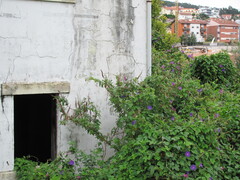 Phytolacca heterotepala Mexican pokeweed Photo: CC BY, zebedeugalinha
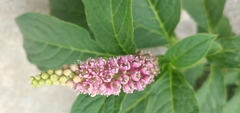 Phytolacca bogotensis Southern pokeweed Photo: CC0, Fede y Vani
 Phytolacca polyandra Chinese Pokeweed Photo: CC BY, Daniel Cahen
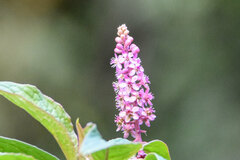 Phytolacca rugosa Photo: CC BY, Jay Pruett
 Phytolacca thyrsiflora Brazilian Pokeweed Photo: CC BY-SA, alessandradalia
 Phytolacca tetramera Photo: CC BY, Anabela Plos
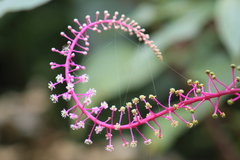 Phytolacca rivinoides Venezuelan pokeweed Photo: CC BY, GERMAN LEONEL SARMIENTO CRUZ
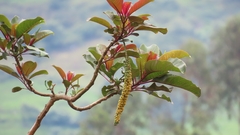 Phytolacca weberbaueri Photo: CC BY, Luis Fer JP
Grown: iNaturalist's observations of the species marked captive or cultivated; "not counted" where the species list does not count it. Native ranges: Kew's World Checklist of Vascular Plants (Govaerts et al., CC BY 4.0), file of 4 June 2026. Grown: iNaturalist's observations marked captive or cultivated, counted 17 October 2026 (the species list's count). Habitat climate known: the species page has a habitat climate, read from CHELSA's monthly climate and NASA POWER's daily extremes at its well-placed wild records inside Kew's native range; each page says its own sources and days. Record low: the lowest night in NASA POWER's daily series at the habitat's typical spot, as the species page gives it, held in °C to a tenth and shown in your units; each page says its own years and day read. Counts as the reference built on 19 November 2026 holds them. The CSV holds every result, not only this page's.