Pluchea
9 species in the reference · family Asteraceae · 9 with a habitat climate · 9 grown, per iNaturalist
About the genus
Pluchea is a genus of flowering plants in the tribe Inuleae within the family Asteraceae. Members of this genus might be known as camphorweeds, plucheas, or less uniquely fleabanes. Some, such as P. carolinensis and P. odorata, are called sourbushes. There are plants of many forms, from annual and perennial herbs to shrubs and trees, and there is variation in the morphology of leaves, flowers, and fruits.
Quoted from Wikipedia, "Pluchea", its opening paragraph, revision 1297848204, read 2026-11-08, CC BY-SA 4.0.
Where Pluchea is native
| Florida | 5 |
|---|---|
| Texas | 5 |
| Alabama | 4 |
| Georgia | 4 |
| Louisiana | 4 |
| Mexico Gulf | 4 |
| Mexico Southwest | 4 |
| Mississippi | 4 |
| North Carolina | 4 |
| South Carolina | 4 |
| Arkansas | 3 |
| Bahamas | 3 |
Species native to each region. A species counts in every region it is native to. Native ranges: Kew's World Checklist of Vascular Plants (Govaerts et al., CC BY 4.0), file of 4 June 2026.
9 species
Pluchea
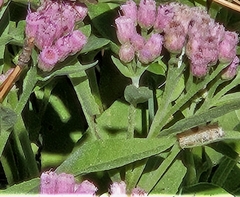 Pluchea odorata Sweetscent Photo: CC BY, Christopher Evans
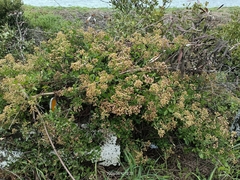 Pluchea indica Indian fleabane Photo: CC BY, 五色鳥
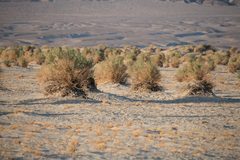 Pluchea sericea Arrow-weed Photo: CC BY, Mike Duran
 Pluchea carolinensis Cure for all Photo: CC BY, Josiah Londerée
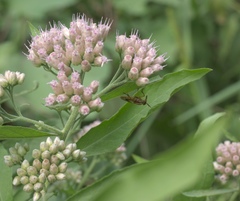 Pluchea camphorata Camphor pluchea Photo: CC BY-SA, Robert Webster
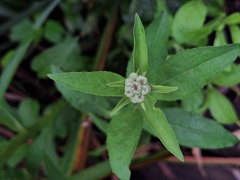 Pluchea sagittalis Wingstem camphorweed Photo: CC BY, Rocío Esmeralda Pose
 Pluchea dioscoridis Barnouf Photo: CC BY, JR Ferrer-Paris
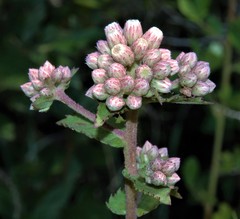 Pluchea foetida Stinking camphorweed Photo: CC BY, Patty Mitchum
 Pluchea baccharis Rosy camphorweed Photo: CC BY, Jay Horn
Grown: iNaturalist's observations of the species marked captive or cultivated; "not counted" where the species list does not count it. Native ranges: Kew's World Checklist of Vascular Plants (Govaerts et al., CC BY 4.0), file of 4 June 2026. Grown: iNaturalist's observations marked captive or cultivated, counted 17 October 2026 (the species list's count). Habitat climate known: the species page has a habitat climate, read from CHELSA's monthly climate and NASA POWER's daily extremes at its well-placed wild records inside Kew's native range; each page says its own sources and days. Record low: the lowest night in NASA POWER's daily series at the habitat's typical spot, as the species page gives it, held in °C to a tenth and shown in your units; each page says its own years and day read. Counts as the reference built on 19 November 2026 holds them. The CSV holds every result, not only this page's.