Sedum
115 species in the reference · family Crassulaceae · 95 with a habitat climate · 107 grown, per iNaturalist, 8 not counted
About the genus
Sedum is a large genus of flowering plants in the family Crassulaceae, members of which are commonly known as stonecrops. The genus has been described as containing up to 600 species, subsequently reduced to 400–500. They are leaf succulents found primarily in the Northern Hemisphere, but extending into the southern hemisphere in Africa and South America. The plants vary from annual and creeping herbs to shrubs. More on Wikipedia
Quoted from Wikipedia, "Sedum", its opening paragraph, revision 1368388831, read 2026-11-08, CC BY-SA 4.0.
Where Sedum is native
| Mexico Northeast | 32 |
|---|---|
| Mexico Central | 27 |
| Mexico Southwest | 25 |
| Mexico Gulf | 21 |
| Italy | 17 |
| France | 16 |
| Spain | 16 |
| Turkey | 16 |
| Albania | 15 |
| Yugoslavia | 15 |
| Bulgaria | 14 |
| Corse | 13 |
Species native to each region. A species counts in every region it is native to. Native ranges: Kew's World Checklist of Vascular Plants (Govaerts et al., CC BY 4.0), file of 4 June 2026.
115 species
Sedum
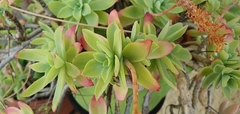 Sedum palmeri Palmer's Sedum Photo: CC BY, Julien Lepage
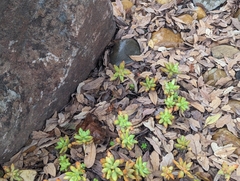 Sedum adolphi Coppertone Stonecrop Photo: CC BY, Connor Sites-Bowen
 Sedum morganianum Burro's-tail Photo: CC BY, 鄒加驊
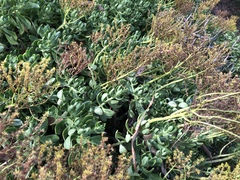 Sedum praealtum Green cockscomb Photo: CC0, Al Kordesch
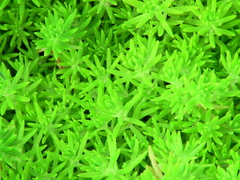 Sedum mexicanum Mexican stonecrop Photo: CC BY, Yannick ST-Jacques Prescod
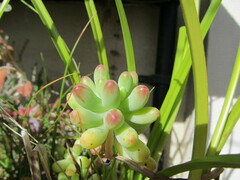 Sedum pachyphyllum Jellybeans Photo: CC BY, zebedeugalinha
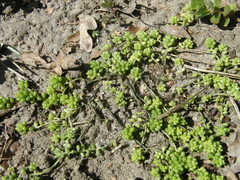 Sedum album White stonecrop Photo: CC BY, Oleksandr Shynder
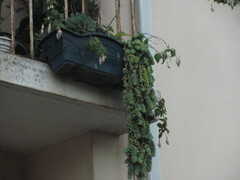 Sedum burrito Baby Burro's Tail Photo: CC BY, zebedeugalinha
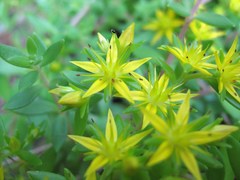 Sedum sarmentosum Stringy stonecrop Photo: CC BY, Dayna
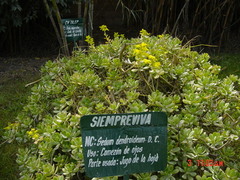 Sedum dendroideum Tree stonecrop Photo: CC0, Matt Schultz
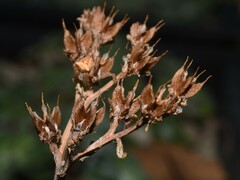 Sedum spathulifolium Colorado stonecrop Photo: CC BY, Gabriel Campbell-Martinez
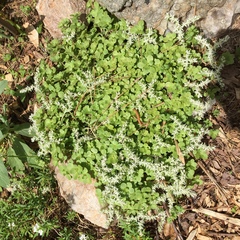 Sedum ternatum Wild stonecrop Photo: CC BY, Henry Van T. Cotter
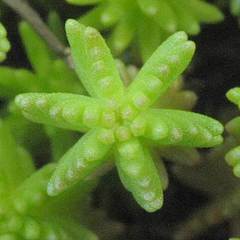 Sedum sexangulare Tasteless stonecrop Photo: CC0, John Sankey
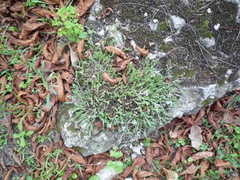 Sedum acre Biting stonecrop Photo: CC BY, Oleksandr Shynder
 Sedum japonicum Rocky moss-rose stonecrop Photo: CC BY, Juan Carlos Caicedo Hernández
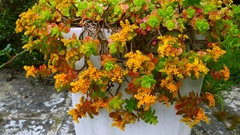 Sedum kimnachii Lesser Mexican-Stonecrop Photo: CC0, Patrick Le Mao
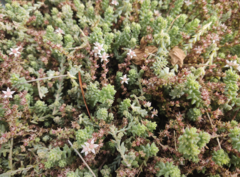 Sedum potosinum Photo: CC BY, Lauren Gillett
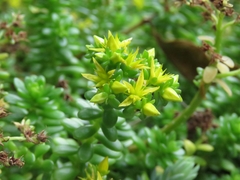 Sedum × luteoviride Photo: CC BY, Juan Carlos Caicedo Hernández
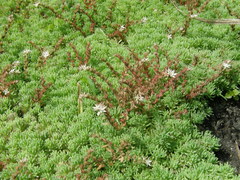 Sedum pallidum Photo: CC BY, Oleksandr Shynder
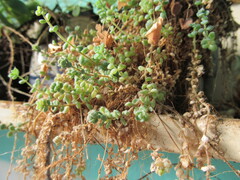 Sedum dasyphyllum Thick-leaved Stonecrop Photo: CC BY, zebedeugalinha
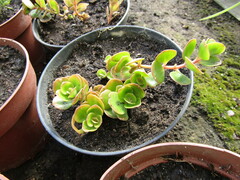 Sedum tetractinum Photo: CC BY, Oleksandr Shynder
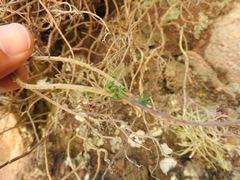 Sedum griseum Photo: CC BY-SA, Oscar Alejandro Morales Juárez
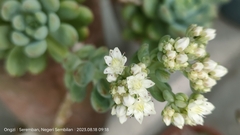 Sedum clavatum Photo: CC BY-SA, Ong Jyh Seng
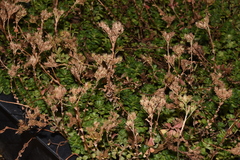 Sedum oreganum Photo: CC BY, Gabriel Campbell-Martinez
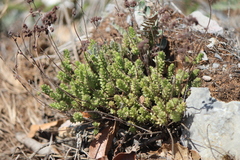 Sedum moranense Red stonecrop Photo: CC BY, José Belem Hernández Díaz
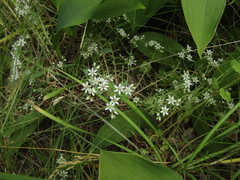 Sedum hispanicum Spanish stonecrop Photo: CC BY, Oleksandr Shynder
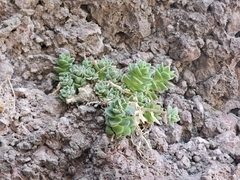 Sedum ebracteatum Photo: CC BY, Erick Vélez Sánchez
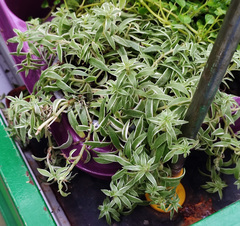 Sedum lineare Needle stonecrop Photo: CC BY, Igor Balashov
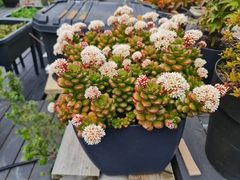 Sedum lucidum Photo: CC BY, Lek Khauv
 Sedum mendozae Photo: CC0, Stickpen
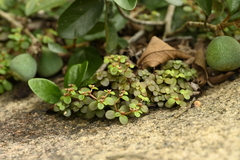 Sedum makinoi Round-leaf stonecrop Photo: CC BY, 曾昱承 Yu-Cheng Zeng
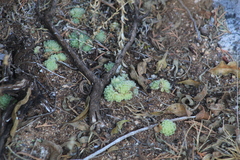 Sedum hemsleyanum Photo: CC BY, Carlos Domínguez-Rodríguez
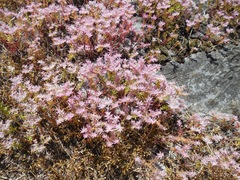 Sedum pulchellum Widowscross Photo: CC BY, David Gorsline
 Sedum allantoides Photo: CC BY-SA, Juan Cruzado Cortés
 Sedum stahlii Coral beads Photo: CC BY-SA, Juan Cruzado Cortés
 Sedum hernandezii Jelly-bean Photo: CC BY-SA, Kauderwelsch
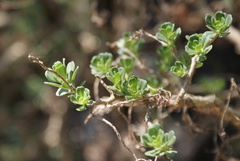 Sedum oxypetalum Dwarf Tree Stonecrop Photo: CC BY, Jordi Martínez Martínez
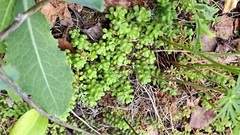 Sedum divergens Spreading stonecrop Photo: CC0, Deniz Wilson
 Sedum cepaea Pink Stonecrop Photo: CC BY, Drepanostoma
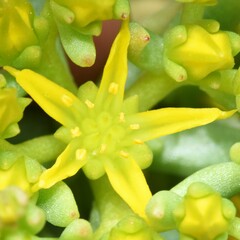 Sedum lanceolatum Lance-leaved stonecrop Photo: CC BY, Gabriel Campbell-Martinez
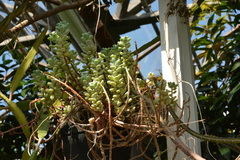 Sedum treleasei Photo: CC BY, Igor Balashov
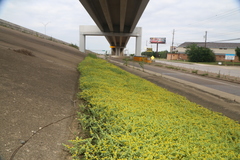 Sedum nuttallii Yellow stonecrop Photo: CC BY, Reid Hardin
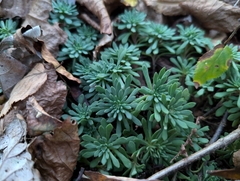 Sedum glaucophyllum Cliff stonecrop Photo: CC BY, Harrison West
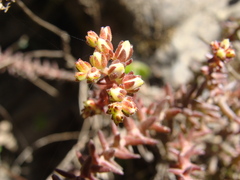 Sedum jurgensenii Photo: CC BY, Alexis López Hernández
 Sedum formosanum Alfred Stonecrop Photo: CC0, 葉子
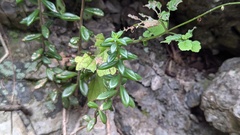 Sedum calcicola Photo: CC BY-SA, Rogelio Reyna-Hernández
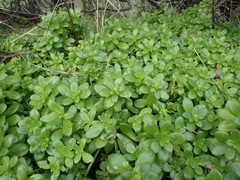 Sedum confusum Lesser Mexican-stonecrop Photo: CC0, Robert H. Wardell
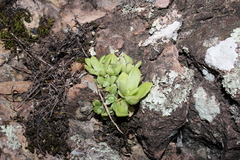 Sedum glabrum Photo: CC BY, Rodolfo Maximiliano Gutiérrez-Sánchez
Grown: iNaturalist's observations of the species marked captive or cultivated; "not counted" where the species list does not count it. Native ranges: Kew's World Checklist of Vascular Plants (Govaerts et al., CC BY 4.0), file of 4 June 2026. Grown: iNaturalist's observations marked captive or cultivated, counted 17 October 2026 (the species list's count). Habitat climate known: the species page has a habitat climate, read from CHELSA's monthly climate and NASA POWER's daily extremes at its well-placed wild records inside Kew's native range; each page says its own sources and days. Record low: the lowest night in NASA POWER's daily series at the habitat's typical spot, as the species page gives it, held in °C to a tenth and shown in your units; each page says its own years and day read. Counts as the reference built on 19 November 2026 holds them. The CSV holds every result, not only this page's.