Crassulaceae
1,036 species in 33 genera · 662 with a habitat climate · 568 grown, per iNaturalist, 468 not counted
Most native to: Cape Provinces 250Mexico Southwest 153Mexico Northeast 143Mexico Central 76Namibia 66Canary Is. 57Madagascar 56Mexico Gulf 55KwaZulu-Natal 54Mexico Northwest 51Italy 43Turkey 43
A species counts in every region it is native to. Native ranges: Kew's World Checklist of Vascular Plants (Govaerts et al., CC BY 4.0), file of 4 June 2026.
1,036 species
Crassulaceae
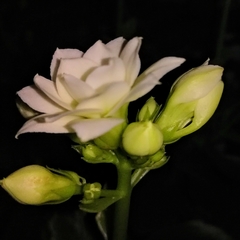 Kalanchoe blossfeldiana Madagascar widow's-thrill Photo: CC BY, Gianni Del Bufalo bygdb
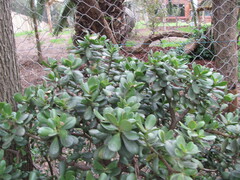 Crassula ovata Jade plant Photo: CC BY, zebedeugalinha
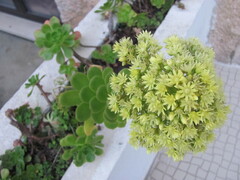 Aeonium arboreum Tree aeonium Photo: CC BY, zebedeugalinha
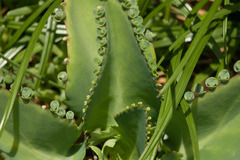 Kalanchoe laetivirens Crenatodaigremontiana Photo: CC BY, Kevin Faccenda
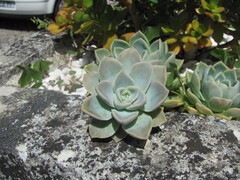 Graptopetalum paraguayense Ghost-plant Photo: CC BY, zebedeugalinha
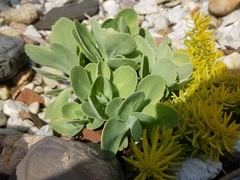 Hylotelephium spectabile Showy stonecrop Photo: CC BY, Kaden Slone
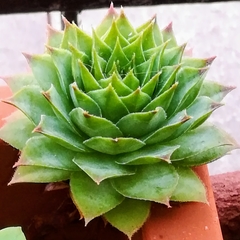 Sempervivum tectorum House-leek Photo: CC BY, Gianni Del Bufalo bygdb
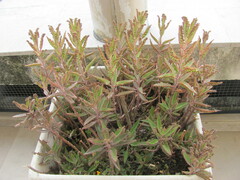 Kalanchoe × houghtonii Photo: CC BY, zebedeugalinha
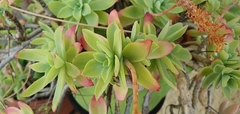 Sedum palmeri Palmer's Sedum Photo: CC BY, Julien Lepage
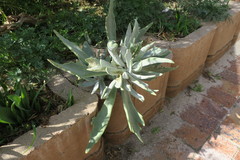 Cotyledon orbiculata Pig's ear Photo: CC BY, Diana Studer
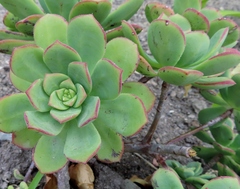 Aeonium haworthii Haworth's aeonium Photo: CC BY, linkie
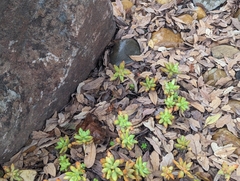 Sedum adolphi Coppertone Stonecrop Photo: CC BY, Connor Sites-Bowen
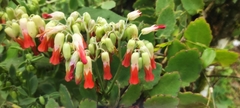 Kalanchoe pinnata Cathedral bells Photo: CC BY, Liliana Boada
 Kalanchoe fedtschenkoi Lavender scallops Photo: CC BY-SA, Tony Rebelo
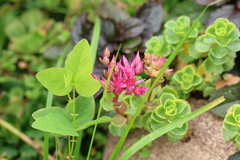 Phedimus spurius Caucasian stonecrop Photo: CC BY, Вячеслав Юсупов
 Kalanchoe luciae Photo: CC BY, Samuel Brown
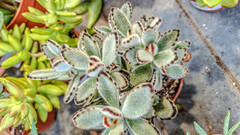 Kalanchoe tomentosa Panda Plant Photo: CC BY, Julien Lepage
 Sedum morganianum Burro's-tail Photo: CC BY, 鄒加驊
 Crassula multicava Cape Province pygmyweed Photo: CC BY-SA, Nicola van Berkel
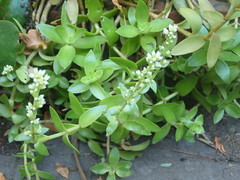 Crassula capitella Redspot Stonecrop Photo: CC BY-SA, Nanna Joubert
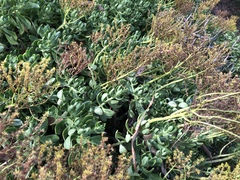 Sedum praealtum Green cockscomb Photo: CC0, Al Kordesch
 Echeveria simulans Photo: CC BY-SA, Raúl Ernestoo
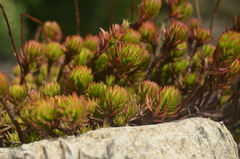 Petrosedum rupestre Reflexed stonecrop Photo: CC BY, Nico Hernandez
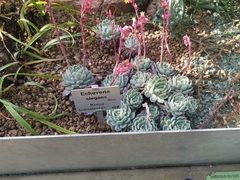 Echeveria elegans Mexican snowball Photo: CC0, edouardbruelhart
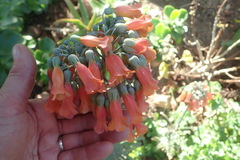 Kalanchoe delagoensis Chandelier plant Photo: CC BY-SA, Nanna Joubert
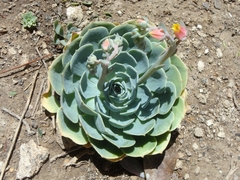 Echeveria secunda Blue Echeveria Photo: CC BY, Juan Carlos Fonseca Mata
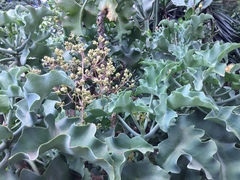 Kalanchoe beharensis Velvet leaf Photo: CC BY, tlaloc27
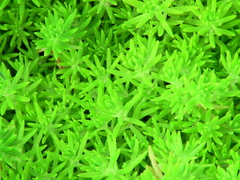 Sedum mexicanum Mexican stonecrop Photo: CC BY, Yannick ST-Jacques Prescod
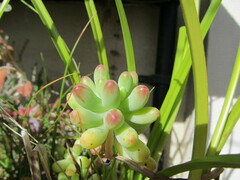 Sedum pachyphyllum Jellybeans Photo: CC BY, zebedeugalinha
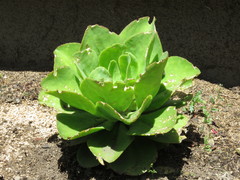 Echeveria gibbiflora Photo: CC BY, Juan Carlos Caicedo Hernández
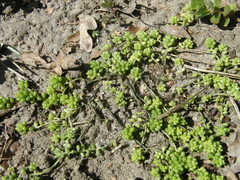 Sedum album White stonecrop Photo: CC BY, Oleksandr Shynder
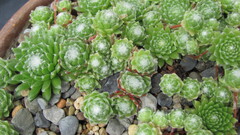 Sempervivum arachnoideum Cobweb house-leek Photo: CC BY, zebedeugalinha
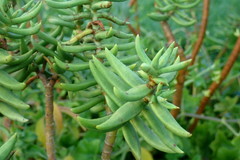 Crassula tetragona Baby Pine Of China Photo: CC0, Di Turner
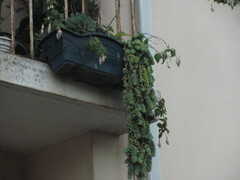 Sedum burrito Baby Burro's Tail Photo: CC BY, zebedeugalinha
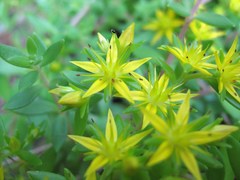 Sedum sarmentosum Stringy stonecrop Photo: CC BY, Dayna
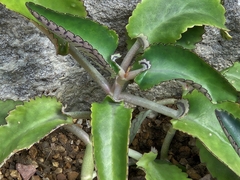 Kalanchoe daigremontiana Devil's backbone Photo: CC BY, Marc Riera
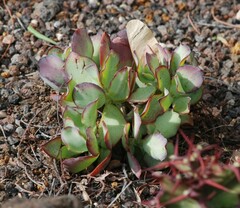 Crassula arborescens Jade Plant Photo: CC BY, Татьяна Максимова
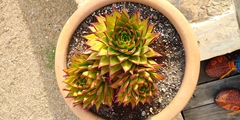 Echeveria agavoides Molded-wax Photo: CC BY, Destino Trail
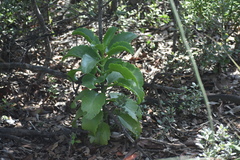 Kalanchoe sexangularis Bushveld Kalanchoe Photo: CC BY, Justin Ponder
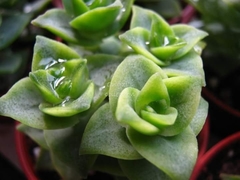 Crassula perforata Photo: CC BY-SA, Ong Jyh Seng
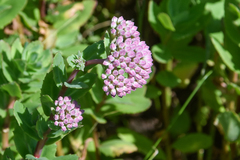 Hylotelephium telephium Live-forever Photo: CC BY, Jay Pruett
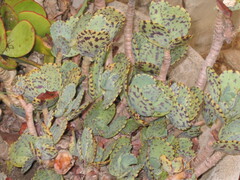 Kalanchoe marmorata Penwiper Photo: CC BY, zebedeugalinha
 Echeveria pulidonis Pulido's Echeveria Photo: CC BY, Neptalí Ramírez Marcial
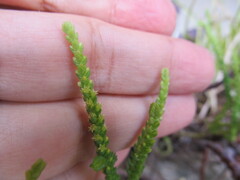 Crassula muscosa Toy-cypress Photo: CC BY, zebedeugalinha
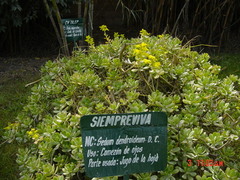 Sedum dendroideum Tree stonecrop Photo: CC0, Matt Schultz
 Kalanchoe gastonis-bonnieri Palm beachbells Photo: CC BY, Martin Purdy
 Echeveria runyonii Runyon's Echeveria Photo: CC0, Ludwig Muller
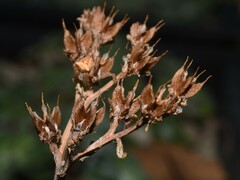 Sedum spathulifolium Colorado stonecrop Photo: CC BY, Gabriel Campbell-Martinez
Grown: iNaturalist's observations of the species marked captive or cultivated; "not counted" where the species list does not count it. Native ranges: Kew's World Checklist of Vascular Plants (Govaerts et al., CC BY 4.0), file of 4 June 2026. Grown: iNaturalist's observations marked captive or cultivated, counted 17 October 2026 (the species list's count). Habitat climate known: the species page has a habitat climate, read from CHELSA's monthly climate and NASA POWER's daily extremes at its well-placed wild records inside Kew's native range; each page says its own sources and days. Record low: the lowest night in NASA POWER's daily series at the habitat's typical spot, as the species page gives it, held in °C to a tenth and shown in your units; each page says its own years and day read. Counts as the reference built on 19 November 2026 holds them. The CSV holds every result, not only this page's.