Sesbania
11 species in the reference · family Fabaceae · 11 with a habitat climate · 11 grown, per iNaturalist
About the genus
Sesbania is a genus of flowering plants in the pea family, Fabaceae, and the only genus found in tribe Sesbanieae. Riverhemp is a common name for plants in this genus. Notable species include the rattlebox (Sesbania punicea), spiny sesbania (Sesbania bispinosa), and Sesbania sesban, which is used in cooking. Plants of this genus, some of which are aquatic, can be used in alley cropping to increase the soil's nitrogen content. More on Wikipedia
Quoted from Wikipedia, "Sesbania", its opening paragraph, revision 1368663190, read 2026-11-08, CC BY-SA 4.0.
Where Sesbania is native
| Brazil Southeast | 4 |
|---|---|
| Alabama | 3 |
| Bangladesh | 3 |
| Botswana | 3 |
| Brazil Northeast | 3 |
| Burkina | 3 |
| Cameroon | 3 |
| Central African Republic | 3 |
| India | 3 |
| Louisiana | 3 |
| Malawi | 3 |
| Mauritania | 3 |
Species native to each region. A species counts in every region it is native to. Native ranges: Kew's World Checklist of Vascular Plants (Govaerts et al., CC BY 4.0), file of 4 June 2026.
11 species
Sesbania
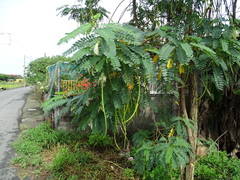 Sesbania grandiflora Vegetable hummingbird Photo: CC BY, 雲一百香果
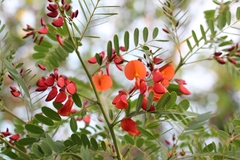 Sesbania punicea Rattlebox Photo: CC BY, Romi Galeota Lencina
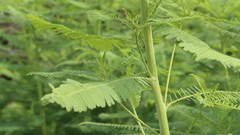 Sesbania herbacea Colorado riverhemp Photo: CC BY, Bob Virag
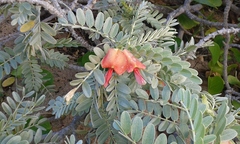 Sesbania tomentosa `ohai Photo: CC BY, Floyd A. Reed
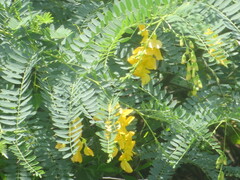 Sesbania drummondii Poison-bean Photo: CC0, Nonbinary-Naturalist
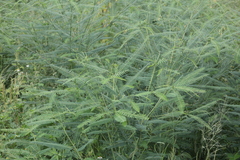 Sesbania cannabina Sesbania pea Photo: CC BY, 胡正恆(Jackson Hu)
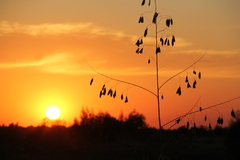 Sesbania vesicaria Bagpod Photo: CC BY, Texas Bird Family
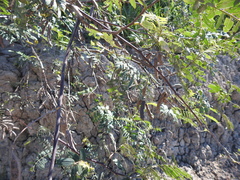 Sesbania virgata Wand riverhemp Photo: CC BY, Leonel Roget
 Sesbania sesban Egyptian riverhemp Photo: CC BY, Kevin Faccenda
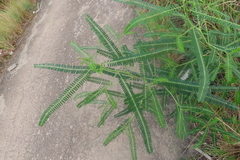 Sesbania bispinosa Sesbania Pea Photo: CC BY, Bruno - Yolande Zanette
- no open photograph on file Sesbania rostrata
Grown: iNaturalist's observations of the species marked captive or cultivated; "not counted" where the species list does not count it. Native ranges: Kew's World Checklist of Vascular Plants (Govaerts et al., CC BY 4.0), file of 4 June 2026. Grown: iNaturalist's observations marked captive or cultivated, counted 17 October 2026 (the species list's count). Habitat climate known: the species page has a habitat climate, read from CHELSA's monthly climate and NASA POWER's daily extremes at its well-placed wild records inside Kew's native range; each page says its own sources and days. Record low: the lowest night in NASA POWER's daily series at the habitat's typical spot, as the species page gives it, held in °C to a tenth and shown in your units; each page says its own years and day read. Counts as the reference built on 19 November 2026 holds them. The CSV holds every result, not only this page's.