Aldabra
TDWG level-3 region ALD
| Species native here | 91 |
|---|---|
| Native nowhere else | 0 |
| With a habitat climate | 91 |
| Grown, per iNaturalist | 89 (2 not counted) |
| Genera, families | 81, 45 |
Beside it in Western Indian Ocean: Chagos Archipelago 36Comoros 354Madagascar 1,162Mauritius 300Mozambique Channel Is. 44Réunion 283Rodrigues 102Seychelles 187
Regions: TDWG's World Geographical Scheme for Recording Plant Distributions, 2nd edition (Brummitt 2001); countries' regions as round eighty's shapes assign Natural Earth's states and provinces (public domain). Next door: regions whose outlines touch, read from those shapes (TDWG's own tables give no neighbours).
91 species
Species native to Aldabra
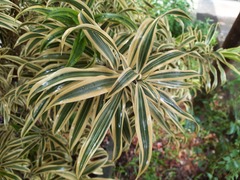 Dracaena reflexa Song-of-India Photo: CC BY, 胡正恆(Jackson Hu)
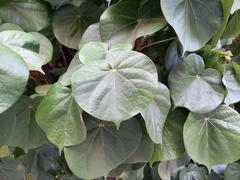 Hibiscus tiliaceus Waru Photo: CC BY, nasua
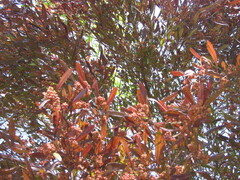 Dodonaea viscosa Hopbush Photo: CC BY, zebedeugalinha
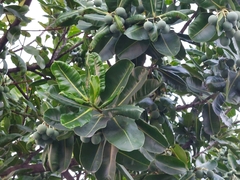 Calophyllum inophyllum Alexandrian laurel Photo: CC BY, 胡正恆(Jackson Hu)
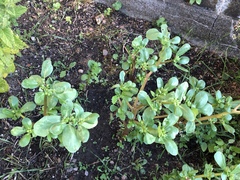 Portulaca oleracea Common purslane Photo: CC BY, Pavel Kacl
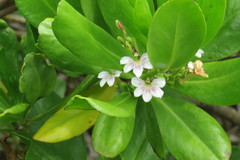 Scaevola taccada Beach naupaka Photo: CC BY, johnyochum
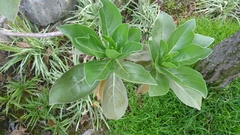 Heliotropium arboreum Photo: CC BY, Jason
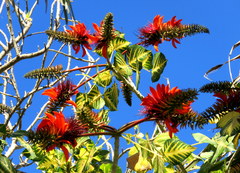 Erythrina variegata Indian coral tree Photo: CC BY, Alexis López Hernández
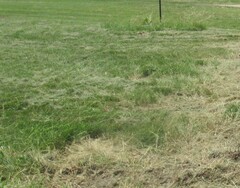 Cynodon dactylon Bermuda grass Photo: CC BY, Linda Jo Conn
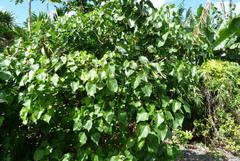 Thespesia populnea Portia tree Photo: CC BY-SA, Colin Meurk
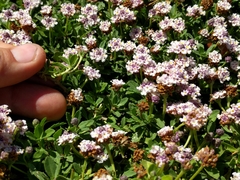 Phyla nodiflora Frogfruit Photo: CC BY, Ken-ichi Ueda
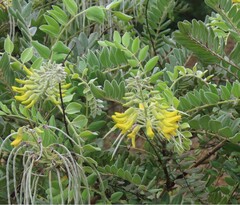 Sophora tomentosa Yellow necklacepod Photo: CC0, margohj
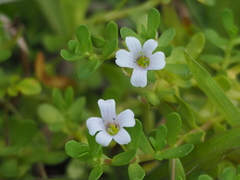 Bacopa monnieri Coastal water-hyssop Photo: CC0, 葉子
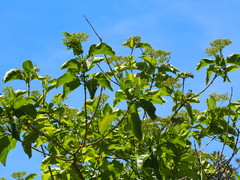 Premna serratifolia Bastard guelder Photo: CC0, 葉子
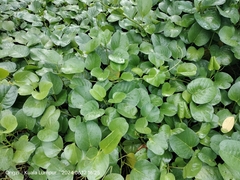 Ipomoea pes-caprae Beach morning glory Photo: CC BY-SA, Ong Jyh Seng
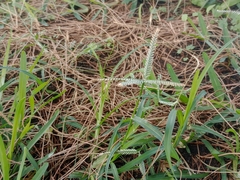 Eleusine indica Yard-grass Photo: CC BY, Duarte Frade
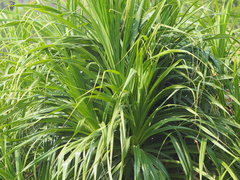 Pandanus odorifer Screw-pine Photo: CC0, 葉子
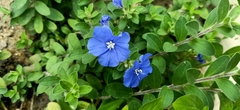 Evolvulus alsinoides Slender dwarf morning-glory Photo: CC BY-SA, Ong Jyh Seng
 Cenchrus setosus West Indian pennisetum Photo: CC BY, Zakqary Roy
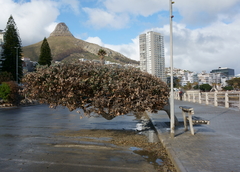 Sideroxylon inerme White milkwood Photo: CC BY, Glynn Morris
 Ocimum gratissimum African basil Photo: CC BY, Cajá-manga
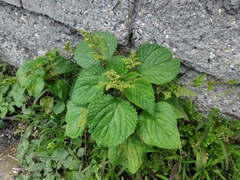 Laportea aestuans West Indian woodnettle Photo: CC BY, chiuluan
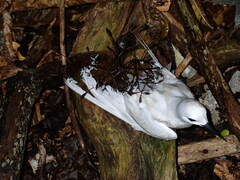 Pisonia grandis Grand devil's-claws Photo: CC BY, Mike Burnett
 Apodytes dimidiata Photo: CC BY, linkie
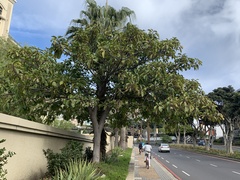 Ficus lutea Lagos rubbertree Photo: CC BY, Dave Richardson
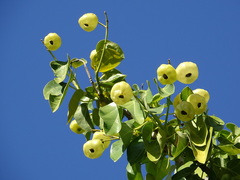 Hernandia nymphaeifolia Sea hearse Photo: CC0, 葉子
 Cycas thouarsii Photo: CC BY, Michael A. Alcorn
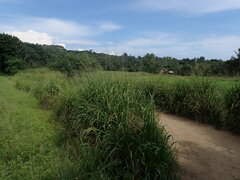 Megathyrsus maximus Guinea grass Photo: CC BY, chiuluan
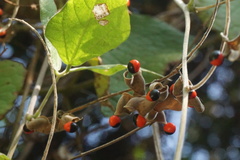 Abrus precatorius Rosary pea Photo: CC0, Center for Urban Ecology
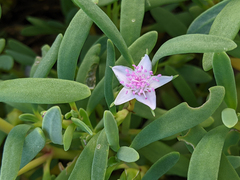 Sesuvium portulacastrum Sea purslane Photo: CC BY, Kristof Zyskowski
 Cenchrus purpureus Elephant grass Photo: CC0, Mirela
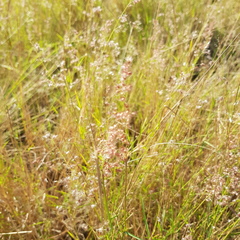 Melinis repens Natal grass Photo: CC BY-SA, Margaret Burger
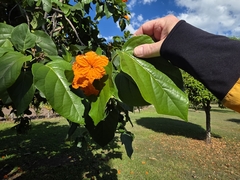 Cordia subcordata Kou Photo: CC BY, Elise Smith
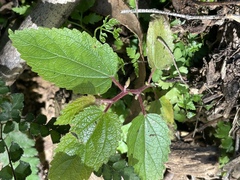 Pipturus argenteus False Stinger Photo: CC BY, Tim Albers
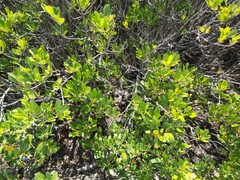 Lumnitzera racemosa White-flowered black mangrove Photo: CC BY, 胡正恆(Jackson Hu)
 Rhizophora mucronata Loop-root mangrove Photo: CC BY-SA, Douglas Goldman
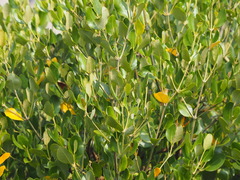 Avicennia marina Gray mangrove Photo: CC0, 葉子
 Flacourtia indica Governor's plum Photo: CC BY-SA, Douglas Goldman
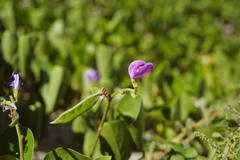 Canavalia rosea Bay-bean Photo: CC BY, Cheng-Tao Lin
 Guilandina bonduc Photo: CC BY, Claire Herzog
 Bruguiera gymnorhiza Oriental Mangrove Photo: CC0, 葉子
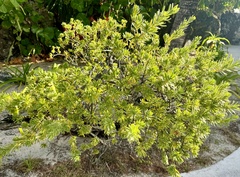 Suriana maritima Baycedar Photo: CC0, Kathy Daniel
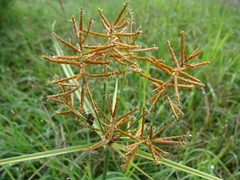 Cyperus rotundus Nutgrass Photo: CC BY, Alexis López Hernández
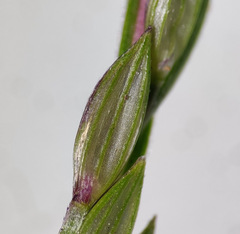 Digitaria ciliaris Southern crabgrass Photo: CC BY, Thomas Gyselinck
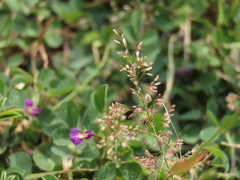 Eragrostis tenella Japanese lovegrass Photo: CC BY, Heng Chian Li
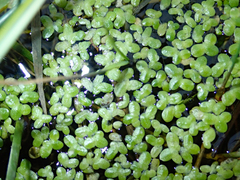 Lemna aequinoctialis Lesser duckweed Photo: CC0, Peter de Lange
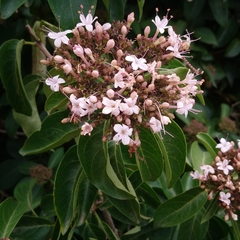 Volkameria glabra Cat's whiskers Photo: CC BY, Henry de Lange
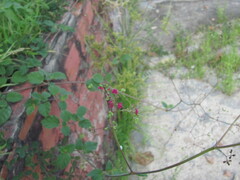 Boerhavia diffusa Red spiderling Photo: CC BY, zebedeugalinha
Grown: iNaturalist's observations of the species marked captive or cultivated; "not counted" where the species list does not count it. Native ranges: Kew's World Checklist of Vascular Plants (Govaerts et al., CC BY 4.0), file of 4 June 2026. Grown: iNaturalist's observations marked captive or cultivated, counted 17 October 2026 (the species list's count). Habitat climate known: the species page has a habitat climate, read from CHELSA's monthly climate and NASA POWER's daily extremes at its well-placed wild records inside Kew's native range; each page says its own sources and days. Record low: the lowest night in NASA POWER's daily series at the habitat's typical spot, as the species page gives it, held in °C to a tenth and shown in your units; each page says its own years and day read. Counts as the reference built on 19 November 2026 holds them. The CSV holds every result, not only this page's.