Arizona
TDWG level-3 region ARI
| Species native here | 1,798 |
|---|---|
| Native nowhere else | 25 |
| With a habitat climate | 1,777 |
| Grown, per iNaturalist | 1,746 (52 not counted) |
| Genera, families | 741, 136 |
Beside it in Southwestern U.S.A.: California 2,597Nevada 1,323Utah 1,409
Next door: Mexico Northwest 2,925California 2,597New Mexico 1,826Colorado 1,455Utah 1,409Nevada 1,323
Regions: TDWG's World Geographical Scheme for Recording Plant Distributions, 2nd edition (Brummitt 2001); countries' regions as round eighty's shapes assign Natural Earth's states and provinces (public domain). Next door: regions whose outlines touch, read from those shapes (TDWG's own tables give no neighbours).
1,798 species
Species native to Arizona
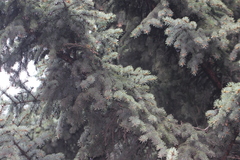 Picea pungens Colorado spruce Photo: CC BY, Татьяна Максимова
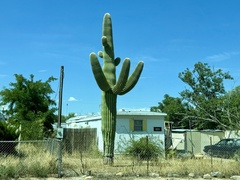 Carnegiea gigantea Saguaro Photo: CC BY, CK2AZ
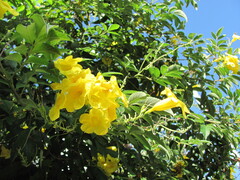 Tecoma stans Yellow bells Photo: CC BY, zebedeugalinha
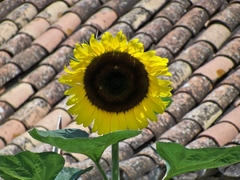 Helianthus annuus Sunflower Photo: CC BY-SA, Daniel Capilla
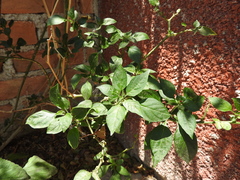 Capsicum annuum Sweet pepper Photo: CC BY-SA, Oscar Alejandro Morales Juárez
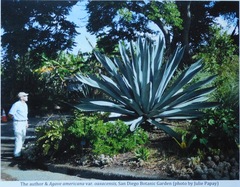 Agave americana Century-plant Photo: CC BY, Michael J. Papay
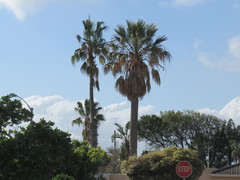 Washingtonia filifera California fan palm Photo: CC BY, Jeremy Gilmore
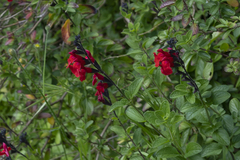 Salvia microphylla Baby sage Photo: CC BY, Eleftherios Katsillis
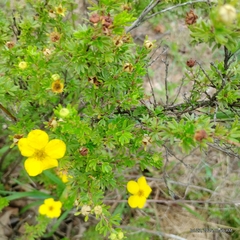 Dasiphora fruticosa Shrubby cinquefoil Photo: CC BY, Bryce
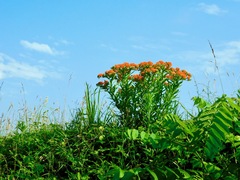 Asclepias tuberosa Butterfly milkweed Photo: CC BY, Michael J. Papay
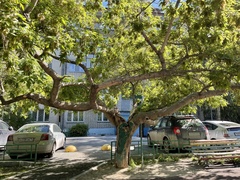 Acer negundo Box-elder Photo: CC BY, Алёна Осипова
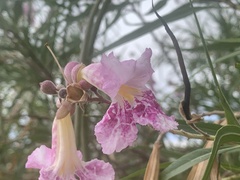 Chilopsis linearis Desert willow Photo: CC BY, Steve Taylor
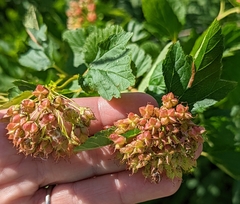 Physocarpus opulifolius Ninebark Photo: CC BY, Tom and T Herman
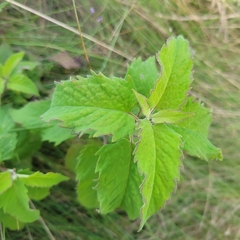 Monarda fistulosa Wild bergamot Photo: CC BY, Veronica Jendrick
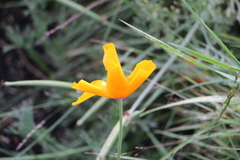 Eschscholzia californica California poppy Photo: CC BY, Andrés Ramírez-Barrera
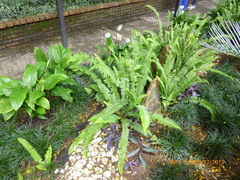 Nephrolepis exaltata Sword fern Photo: CC BY, Daniel A. Monsalve Ortiz
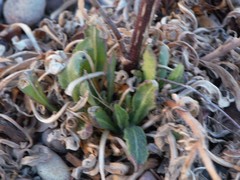 Gaillardia pulchella Firewheel Photo: CC BY, Elliott Gordon
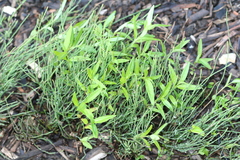 Asclepias incarnata Swamp milkweed Photo: CC BY, Randy A Nonenmacher
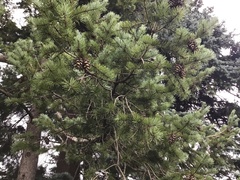 Pseudotsuga menziesii Douglas fir Photo: CC0, Leanne Pearson
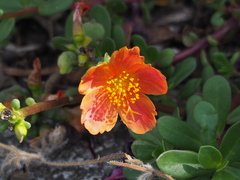 Portulaca umbraticola Wingpod purslane Photo: CC0, 葉子
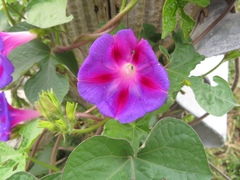 Ipomoea purpurea Common morning-glory Photo: CC BY, Seth G. Breeding
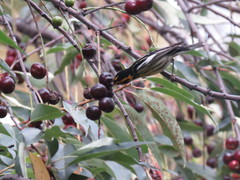 Prunus serotina Black cherry Photo: CC BY, Juan Carlos Caicedo Hernández
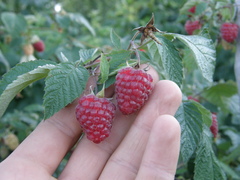 Rubus idaeus Raspberry Photo: CC BY, Oleksandr Shynder
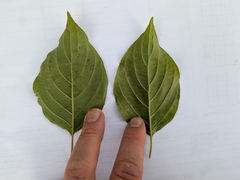 Cornus sericea Red-osier dogwood Photo: CC BY, Jeff Hansen
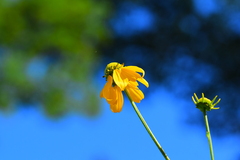 Rudbeckia laciniata Coneflower Photo: CC BY, Bernie Paquette
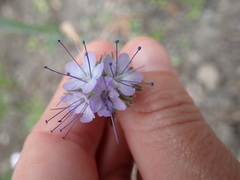 Phacelia tanacetifolia Tansy phacelia Photo: CC BY, Lisa Bennett
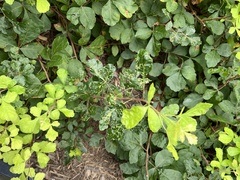 Rhus aromatica Fragrant sumac Photo: CC BY, Frederick Nunley
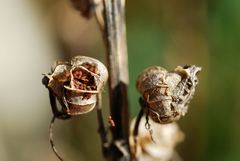 Lobelia cardinalis Cardinal-flower Photo: CC BY-SA, Douglas Goldman
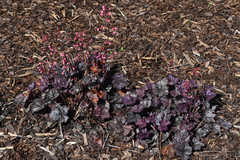 Heuchera sanguinea Coralbells Photo: CC BY, Jon Sullivan
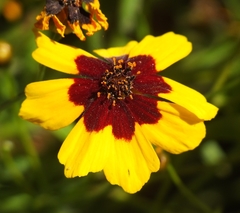 Coreopsis tinctoria Garden tickseed Photo: CC BY, Иван Пристрем
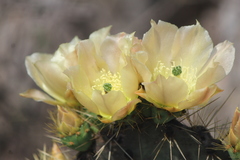 Opuntia engelmannii Cactus-apple Photo: CC BY, José Belem Hernández Díaz
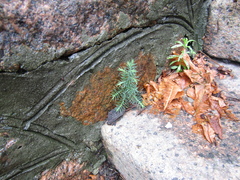 Juniperus communis Common juniper Photo: CC BY, Oleksandr Shynder
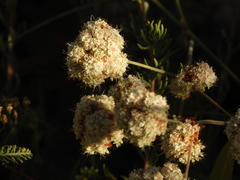 Eriogonum fasciculatum California-buckwheat Photo: CC BY, Mary K. Hanson
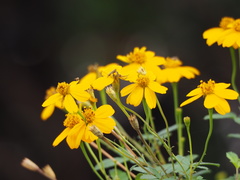 Tagetes lemmonii Lemmon's marigold Photo: CC0, 葉子
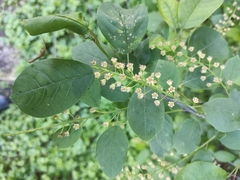 Prunus virginiana Chokecherry Photo: CC BY, iljar
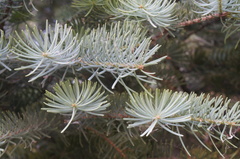 Abies concolor Colorado white-fir Photo: CC0, Henggang Cui
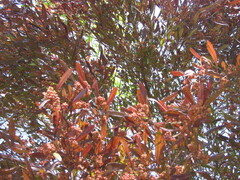 Dodonaea viscosa Hopbush Photo: CC BY, zebedeugalinha
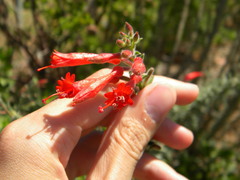 Epilobium canum Hummingbird trumpet Photo: CC0, Tim Kirsten
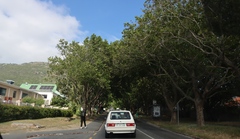 Populus deltoides Necklace poplar Photo: CC BY-SA, Tony Rebelo
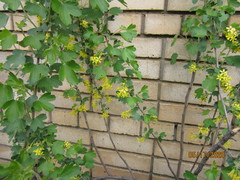 Ribes aureum Golden currant Photo: CC0, Svetlana Polevova
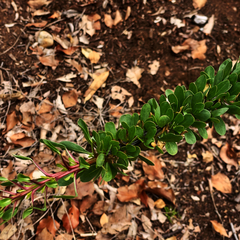 Fouquieria splendens Vine-cactus Photo: CC BY, Bill Levine
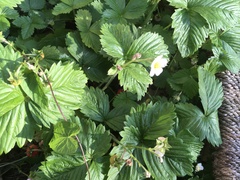 Fragaria vesca Wild strawberry Photo: CC0, Barbara Terhal
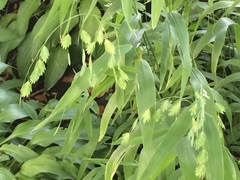 Chasmanthium latifolium Broad-leaved chasmanthium Photo: CC BY-SA, Mike B
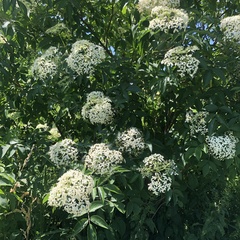 Sambucus canadensis American elder Photo: CC BY, Andrew Conboy
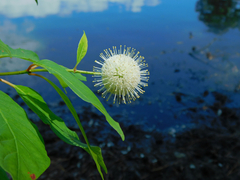 Cephalanthus occidentalis Buttonbush Photo: CC BY, Michael J. Papay
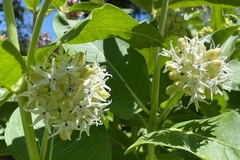 Asclepias speciosa Showy milkweed Photo: CC BY, Brad Grimm
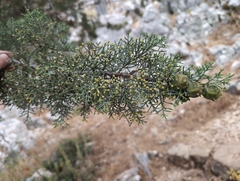 Hesperocyparis arizonica Photo: CC BY, Noland Martin
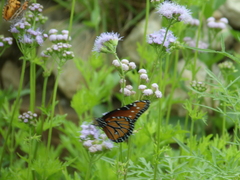 Conoclinium dissectum Palmleaf thoroughwort Photo: CC0, Karen Wilson
Grown: iNaturalist's observations of the species marked captive or cultivated; "not counted" where the species list does not count it. Native ranges: Kew's World Checklist of Vascular Plants (Govaerts et al., CC BY 4.0), file of 4 June 2026. Grown: iNaturalist's observations marked captive or cultivated, counted 17 October 2026 (the species list's count). Habitat climate known: the species page has a habitat climate, read from CHELSA's monthly climate and NASA POWER's daily extremes at its well-placed wild records inside Kew's native range; each page says its own sources and days. Record low: the lowest night in NASA POWER's daily series at the habitat's typical spot, as the species page gives it, held in °C to a tenth and shown in your units; each page says its own years and day read. Counts as the reference built on 19 November 2026 holds them. The CSV holds every result, not only this page's.