East Aegean Is.
TDWG level-3 region EAI
| Species native here | 1,206 |
|---|---|
| Native nowhere else | 3 |
| With a habitat climate | 1,185 |
| Grown, per iNaturalist | 1,113 (93 not counted) |
| Genera, families | 534, 108 |
Beside it in Western Asia: Afghanistan 1,232Cyprus 942Iran 2,081Iraq 1,107Lebanon-Syria 1,694Palestine 1,182Sinai 497Turkey 3,201
Regions: TDWG's World Geographical Scheme for Recording Plant Distributions, 2nd edition (Brummitt 2001); countries' regions as round eighty's shapes assign Natural Earth's states and provinces (public domain). Next door: regions whose outlines touch, read from those shapes (TDWG's own tables give no neighbours).
1,206 species
Species native to East Aegean Is.
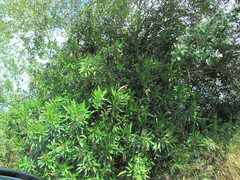 Nerium oleander Oleander Photo: CC BY, zebedeugalinha
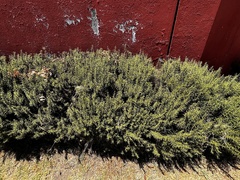 Salvia rosmarinus Rosemary Photo: CC BY-SA, bungaosam83_second
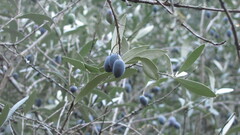 Olea europaea Olive Photo: CC BY, zebedeugalinha
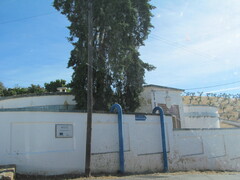 Cupressus sempervirens Italian cypress Photo: CC BY, zebedeugalinha
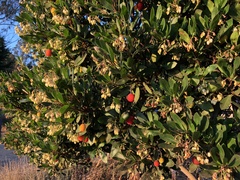 Arbutus unedo Strawberry tree Photo: CC0, Alexie
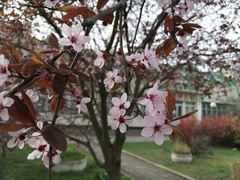 Prunus cerasifera Cherry plum Photo: CC BY, Roman A. Lagazyuk (Роман А. Лагазюк)
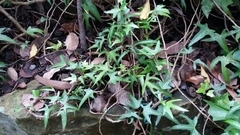 Hedera helix English ivy Photo: CC BY, Juan Carlos Caicedo Hernández
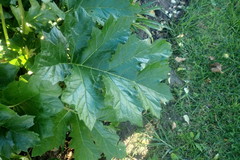 Acanthus mollis Bear's breech Photo: CC0, Di Turner
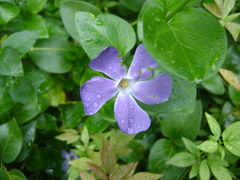 Vinca major Greater periwinkle Photo: CC BY, Tereso Hernández Morales
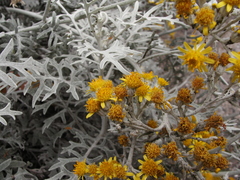 Jacobaea maritima Silver ragwort Photo: CC BY, portioid
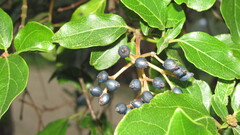 Viburnum tinus Laurustinus Photo: CC BY, zebedeugalinha
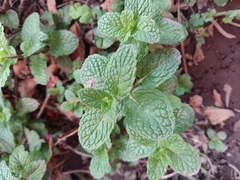 Mentha spicata Spearmint Photo: CC BY, Mauricio Calderón Cadena
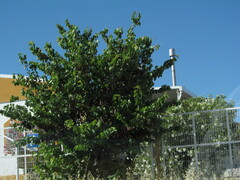 Cercis siliquastrum Judas-tree Photo: CC BY, zebedeugalinha
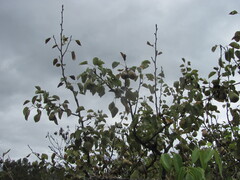 Pyrus communis Pear Photo: CC BY, zebedeugalinha
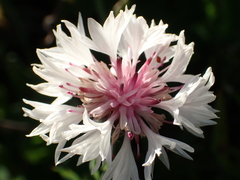 Centaurea cyanus Cornflower Photo: CC0, 葉子
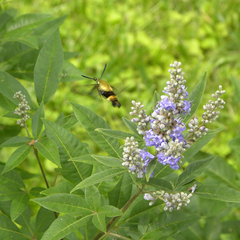 Vitex agnus-castus Chaste tree Photo: CC BY, M. Whitson
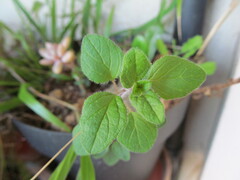 Origanum vulgare Wild marjoram Photo: CC BY, zebedeugalinha
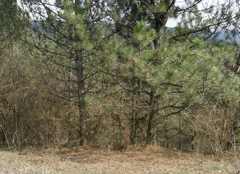 Pinus nigra Austrian pine Photo: CC BY, Oleksandr Shynder
 Laurus nobilis Bay Photo: CC0, Stephen James McWilliam
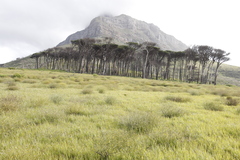 Pinus pinea Stone pine Photo: CC BY-SA, Tony Rebelo
 Euphorbia characias Mediterranean spurge Photo: CC BY, Jon Sullivan
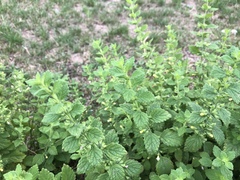 Melissa officinalis Balm Photo: CC BY, Pavel Kacl
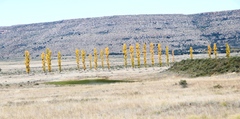 Populus nigra Black poplar Photo: CC BY-SA, Tony Rebelo
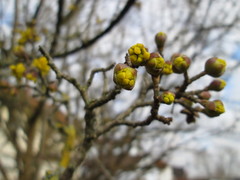 Cornus mas Cornelian cherry Photo: CC BY-SA, Andreas Rockstein
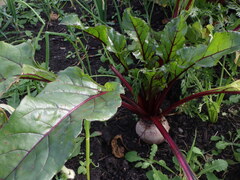 Beta vulgaris Beet Photo: CC BY, Bob
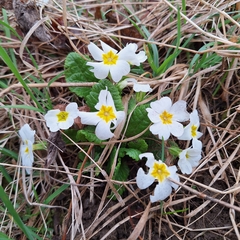 Primula vulgaris English primrose Photo: CC BY, Marek Hrušovský
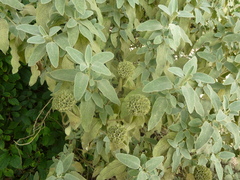 Phlomis fruticosa Jerusalem sage Photo: CC BY, Susan Marley
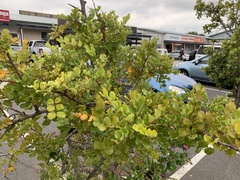 Ceratonia siliqua Carob Photo: CC BY, Dave Richardson
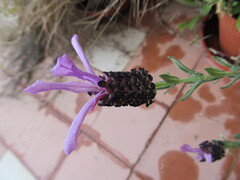 Lavandula stoechas French lavender Photo: CC BY, zebedeugalinha
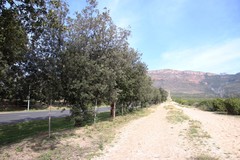 Quercus ilex Evergreen oak Photo: CC BY-SA, Tony Rebelo
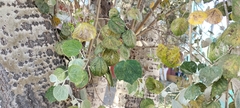 Populus alba White poplar Photo: CC BY, Tereso Hernández Morales
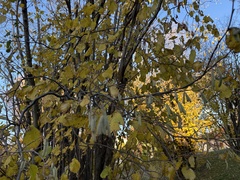 Corylus avellana Hazel Photo: CC0, Charles Joynson
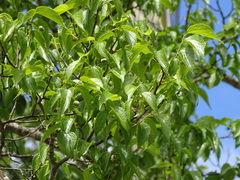 Celtis australis European hackberry Photo: CC BY, Shaun Swanepoel
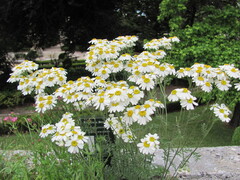 Tanacetum parthenium Feverfew Photo: CC BY, zebedeugalinha
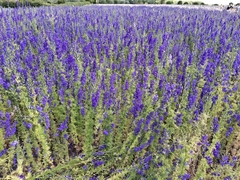 Delphinium ajacis Rocket larkspur Photo: CC0, Paul Round
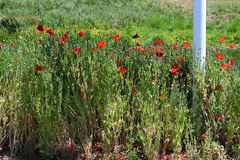 Papaver rhoeas Corn poppy Photo: CC BY, Jon Sullivan
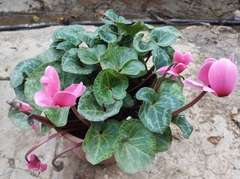 Cyclamen persicum Florist's cyclamen Photo: CC BY, Maria Luisa Bravo Alarcon
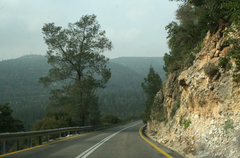 Pinus halepensis Aleppo pine Photo: CC BY, Oleg Kosterin
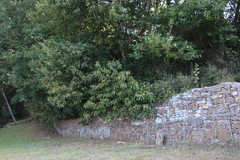 Castanea sativa Sweet chestnut Photo: CC BY-SA, Tony Rebelo
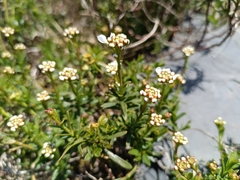 Iberis sempervirens Evergreen candytuft Photo: CC BY, Michal Honskus
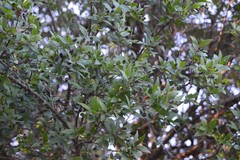 Myrtus communis Myrtle Photo: CC BY, Jon Sullivan
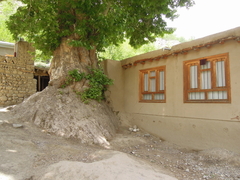 Platanus orientalis Oriental plane Photo: CC BY, Glynn Morris
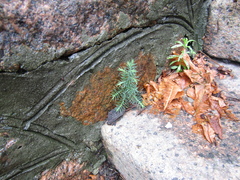 Juniperus communis Common juniper Photo: CC BY, Oleksandr Shynder
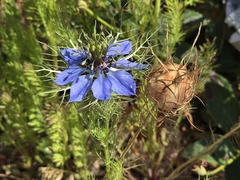 Nigella damascena Love-in-a-mist Photo: CC BY, Alan Rockefeller
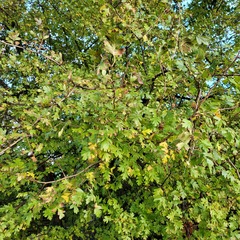 Crataegus monogyna Hawthorn Photo: CC BY-SA, Julia Palmer
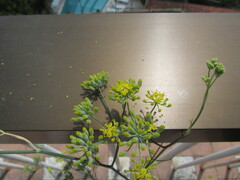 Foeniculum vulgare Fennel Photo: CC BY, zebedeugalinha
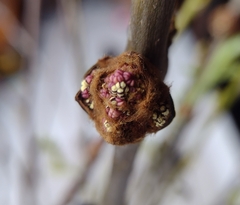 Fraxinus excelsior European ash Photo: CC BY, Bartosz Czołczyński
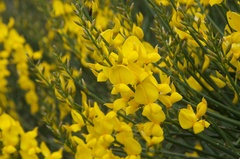 Spartium junceum Spanish broom Photo: CC BY, Jon Sullivan
Grown: iNaturalist's observations of the species marked captive or cultivated; "not counted" where the species list does not count it. Native ranges: Kew's World Checklist of Vascular Plants (Govaerts et al., CC BY 4.0), file of 4 June 2026. Grown: iNaturalist's observations marked captive or cultivated, counted 17 October 2026 (the species list's count). Habitat climate known: the species page has a habitat climate, read from CHELSA's monthly climate and NASA POWER's daily extremes at its well-placed wild records inside Kew's native range; each page says its own sources and days. Record low: the lowest night in NASA POWER's daily series at the habitat's typical spot, as the species page gives it, held in °C to a tenth and shown in your units; each page says its own years and day read. Counts as the reference built on 19 November 2026 holds them. The CSV holds every result, not only this page's.