Anacardiaceae
166 species in 48 genera · 148 with a habitat climate · 155 grown, per iNaturalist, 11 not counted
Most native to: Cape Provinces 30China South-Central 22KwaZulu-Natal 20China Southeast 18Myanmar 18Northern Provinces 18Bolivia 17Mexico Northeast 17Mexico Northwest 17Thailand 16Brazil Southeast 15Paraguay 15
A species counts in every region it is native to. Native ranges: Kew's World Checklist of Vascular Plants (Govaerts et al., CC BY 4.0), file of 4 June 2026.
166 species
Anacardiaceae
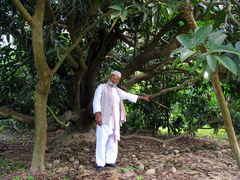 Mangifera indica Mango Photo: CC BY, Yoav Daniel Bar-Ness
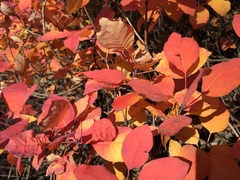 Cotinus coggygria Smoke-tree Photo: CC BY, Jason Grant
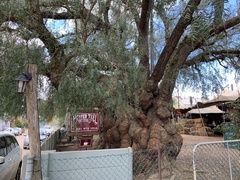 Schinus molle Peruvian peppertree Photo: CC BY, Dave Richardson
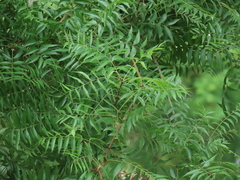 Pistacia chinensis Chinese pistache Photo: CC BY, chiuluan
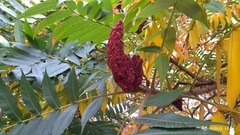 Rhus typhina Staghorn sumac Photo: CC BY, Екатерина Гущина
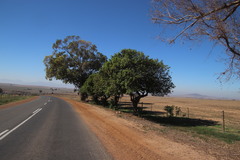 Schinus terebinthifolia Brazilian pepper-tree Photo: CC BY-SA, Tony Rebelo
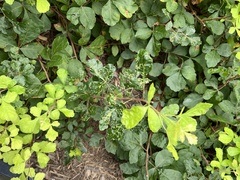 Rhus aromatica Fragrant sumac Photo: CC BY, Frederick Nunley
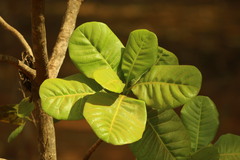 Anacardium occidentale Cashew Photo: CC BY, Wallace Carneiro Almeida
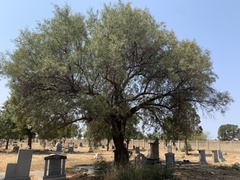 Searsia lancea Western karee Photo: CC BY, Dave Richardson
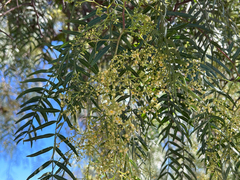 Schinus areira Peppercorn Tree Photo: CC BY, TonyT
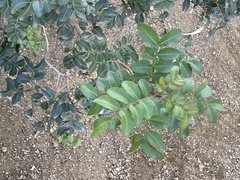 Pistacia lentiscus Mastic tree Photo: CC BY, Marc Riera
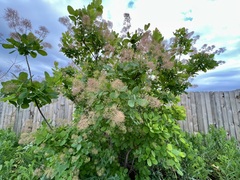 Cotinus obovatus American smoketree Photo: CC BY, Gary Bowers
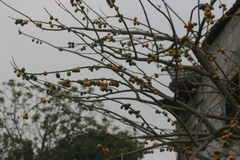 Spondias purpurea Purple mombin Photo: CC BY-SA, Obed Palagot Echavarria
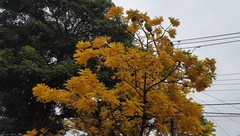 Spondias dulcis Ambarella Photo: CC BY-SA, alessandradalia
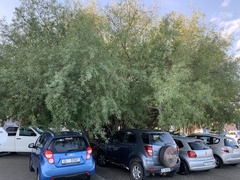 Searsia pendulina White karee Photo: CC BY, Dave Richardson
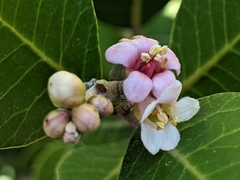 Rhus integrifolia Lemonade sumac Photo: CC BY, Ken-ichi Ueda
 Semecarpus longifolius Photo: CC0, 葉子
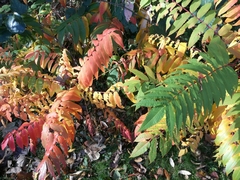 Rhus glabra Smooth sumac Photo: CC BY, Mattia Menchetti
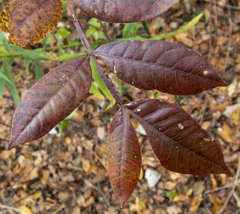 Rhus copallinum Winged sumac Photo: CC BY, Randy A Nonenmacher
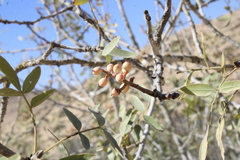 Pistacia vera Pistachio nut Photo: CC BY, yelena_antipova
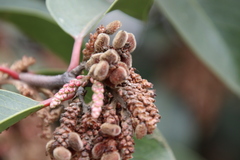 Rhus ovata Sugar sumac Photo: CC BY, Millie Basden
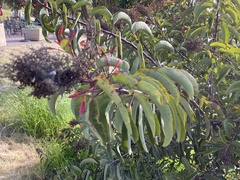 Malosma laurina Photo: CC BY, Darlene Tydlaska
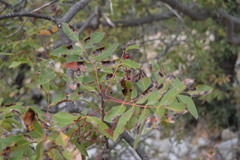 Pistacia terebinthus Cyprus turpentine Photo: CC BY, Olena V. Vakarenko
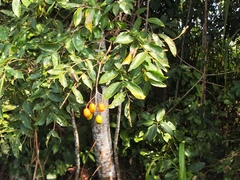 Spondias mombin Hog plum Photo: CC BY, Silvia Ten
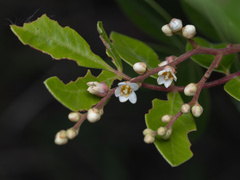 Rhus virens Evergreen sumac Photo: CC BY-SA, Turner Brockman
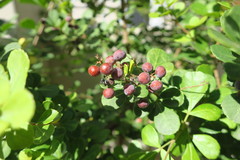 Searsia crenata Crowberry Photo: CC BY, Diana Studer
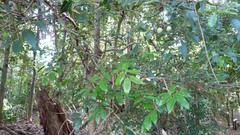 Rhodosphaera rhodanthema Deep yellowwood Photo: CC BY-SA, Colin Meurk
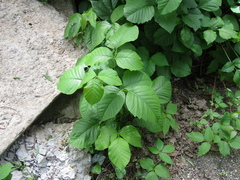 Toxicodendron radicans Poison ivy Photo: CC BY, Oleksandr Shynder
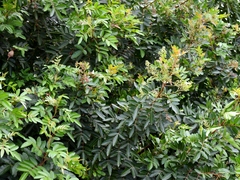 Pistacia atlantica Mt. Atlas mastic tree Photo: CC BY, Dr. Nasser Halaweh
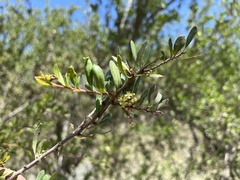 Schinus polygama Hardee peppertree Photo: CC BY, Alfonso Benítez-Mora
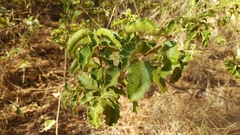 Schinus latifolia Chilean pepper tree Photo: CC BY, Javier Conejeros Gastó
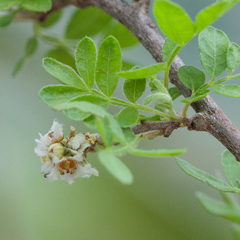 Rhus microphylla Desert sumac Photo: CC BY, Victor Engel
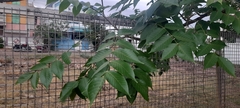 Lannea coromandelica Indian Ash Tree Photo: CC BY, P Jeganathan
 Sclerocarya birrea Marula Photo: CC BY, Wynand Uys
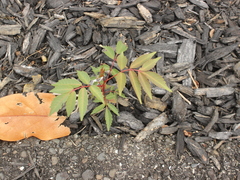 Toxicodendron succedaneum Wax tree Photo: CC BY, Joe Dillon
 Rhus chinensis Chinese sumac Photo: CC0, 葉子
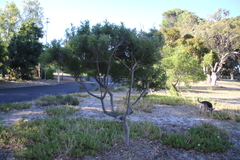 Loxostylis alata Tigerwood Photo: CC BY-SA, Tony Rebelo
 Pistacia mexicana Mexican pistachio Photo: CC BY, johnyochum
 Searsia chirindensis Assegai-Wood Photo: CC BY-SA, Tony Rebelo
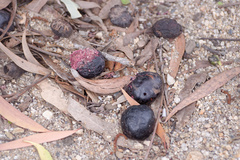 Pleiogynium timoriense Burdekin Plum Photo: CC BY, Donald Davesne
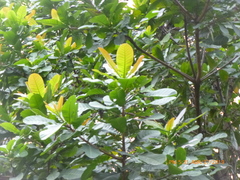 Anacardium excelsum Wild Cashew Photo: CC BY, Daniel A. Monsalve Ortiz
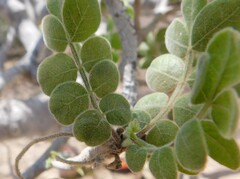 Cyrtocarpa edulis Cimarron plum Photo: CC BY, Jose Luis Leon de la Luz
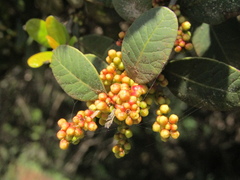 Lithraea caustica Photo: CC BY, Bruno Avilez
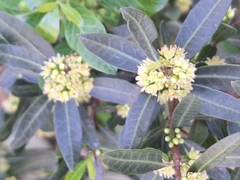 Schinus longifolia Longleaf peppertree Photo: CC BY, Rocío Esmeralda Pose
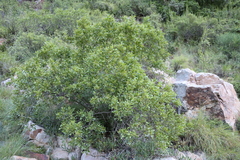 Searsia pallens Eastern Kuni Bush Photo: CC BY-SA, Tony Rebelo
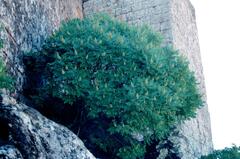 Rhus coriaria Tanner's sumach Photo: CC BY, zebedeugalinha
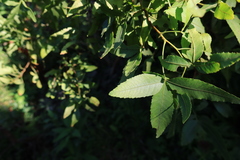 Searsia leptodictya Mountain karee Photo: CC BY, Diana Studer
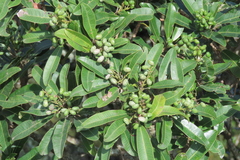 Protorhus longifolia Red-beech Photo: CC BY, Bruno - Yolande Zanette
Grown: iNaturalist's observations of the species marked captive or cultivated; "not counted" where the species list does not count it. Native ranges: Kew's World Checklist of Vascular Plants (Govaerts et al., CC BY 4.0), file of 4 June 2026. Grown: iNaturalist's observations marked captive or cultivated, counted 17 October 2026 (the species list's count). Habitat climate known: the species page has a habitat climate, read from CHELSA's monthly climate and NASA POWER's daily extremes at its well-placed wild records inside Kew's native range; each page says its own sources and days. Record low: the lowest night in NASA POWER's daily series at the habitat's typical spot, as the species page gives it, held in °C to a tenth and shown in your units; each page says its own years and day read. Counts as the reference built on 19 November 2026 holds them. The CSV holds every result, not only this page's.