Caryophyllaceae
458 species in 52 genera · 416 with a habitat climate · 355 grown, per iNaturalist, 103 not counted
Most native to: Yugoslavia 152Italy 141Spain 139France 130Greece 124Turkey 122Bulgaria 116Albania 109Romania 108Austria 94North Caucasus 92Transcaucasus 91
A species counts in every region it is native to. Native ranges: Kew's World Checklist of Vascular Plants (Govaerts et al., CC BY 4.0), file of 4 June 2026.
458 species
Caryophyllaceae
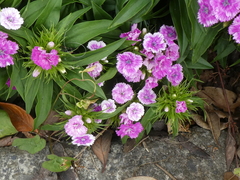 Dianthus barbatus Sweet-William Photo: CC BY, Doug Miller
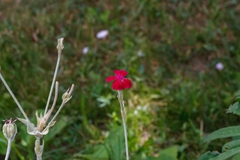 Silene coronaria Rose campion Photo: CC BY, Bailey Duncan
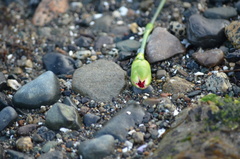 Dianthus caryophyllus Clove pink Photo: CC BY, Liam Steele
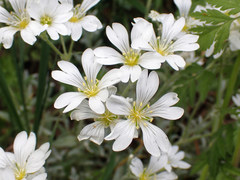 Cerastium tomentosum Snow-in-summer Photo: CC BY, Donald Davesne
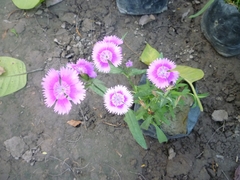 Dianthus chinensis Rainbow pink Photo: CC BY, Mitul and Vijul Singh
 Dianthus gratianopolitanus Cheddar pink Photo: CC BY, Kaden Slone
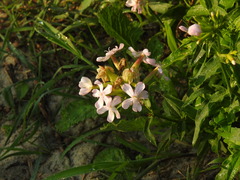 Saponaria officinalis Soapwort Photo: CC BY, Duarte Frade
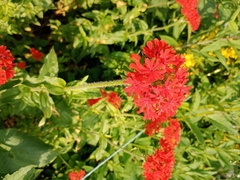 Silene chalcedonica Maltese-cross Photo: CC BY, jussi majaniemi
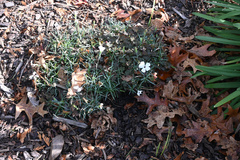 Dianthus plumarius Pink Photo: CC BY, Jon Sullivan
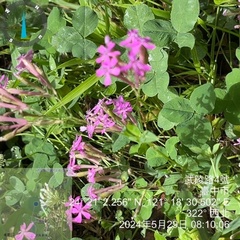 Atocion armeria Sweet-William catchfly Photo: CC BY, 謝麗霦
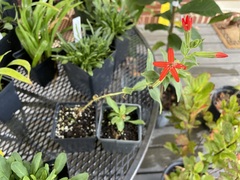 Silene regia Royal catchfly Photo: CC BY-SA, lejones417
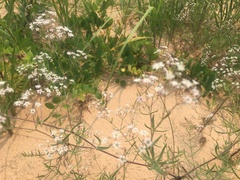 Gypsophila paniculata Baby's-breath Photo: CC BY, Sean Grasing
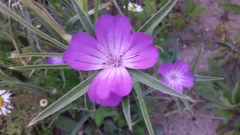 Agrostemma githago Corncockle Photo: CC BY, Luc Wyn
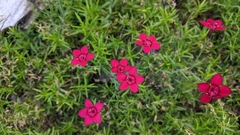 Dianthus deltoides Maiden pink Photo: CC0, Philipp
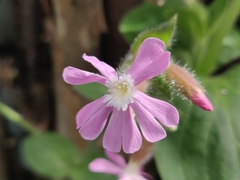 Silene dioica Red campion Photo: CC BY, Evelyn Gussmann
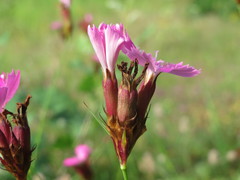 Dianthus carthusianorum Carthusian pink Photo: CC BY-SA, Andreas Rockstein
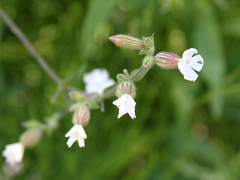 Silene latifolia White campion Photo: CC BY, Randy A Nonenmacher
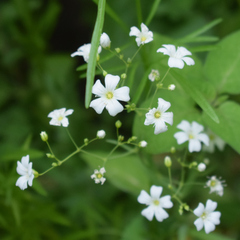 Gypsophila elegans Showy baby's-breath Photo: CC0, Anne Parsons
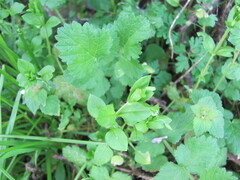 Stellaria media Common chickweed Photo: CC BY, zebedeugalinha
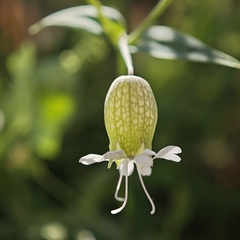 Silene vulgaris Bladder campion Photo: CC BY, Evelyn Gussmann
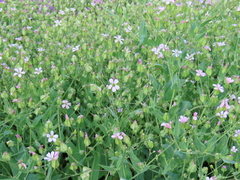 Gypsophila vaccaria Cowherb Photo: CC BY, Oleksandr Shynder
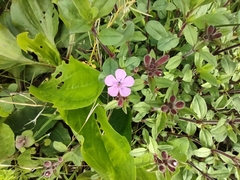 Saponaria ocymoides Rock soapwort Photo: CC0, TheRaffe
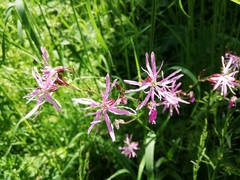 Silene flos-cuculi Ragged robin Photo: CC BY, Xavier JAPIOT
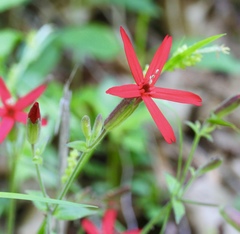 Silene virginica Fire pink Photo: CC BY-SA, Fluff Berger
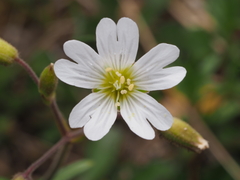 Cerastium arvense Field mouse-ear Photo: CC BY, Saryu Mae 前 朝琉
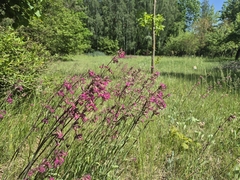 Viscaria vulgaris Sticky Catchfly Photo: CC BY, Bobo-X
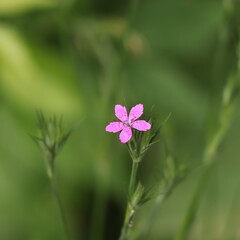 Dianthus armeria Deptford pink Photo: CC BY, Mark Apgar
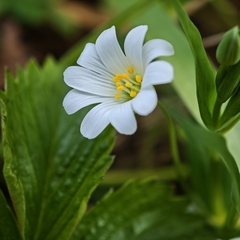 Rabelera holostea Greater stitchwort Photo: CC BY, Evelyn Gussmann
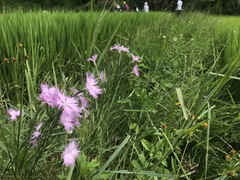 Dianthus superbus Large Pink Photo: CC BY, Weiting Liu
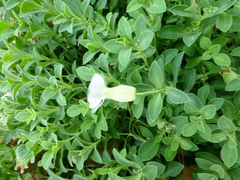 Silene uniflora Sea campion Photo: CC BY, Murray NZ
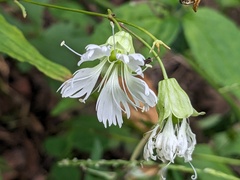 Silene stellata Starry Campion Photo: CC BY, laurawies
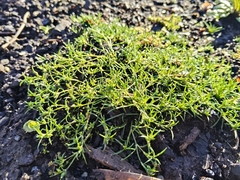 Sagina procumbens Procumbent pearlwort Photo: CC BY, John Barkla
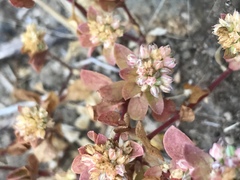 Polycarpon tetraphyllum Four-leaved allseed Photo: CC BY, Sula Vanderplank
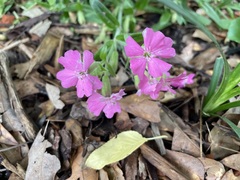 Silene caroliniana Sticky catchfly Photo: CC BY-SA, lejones417
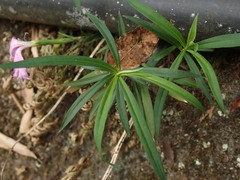 Dianthus palinensis Photo: CC BY, chiuluan
 Dianthus sylvestris Woodland pink Photo: CC BY, Louis Aureglia
- no open photograph on file Sabulina patula
 Drymaria cordata Whitesnow Photo: CC BY-SA, Douglas Goldman
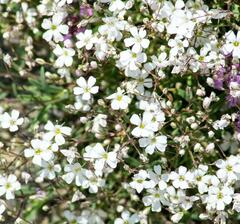 Gypsophila repens Alpine gypsophila Photo: CC BY, Gergely Nigg
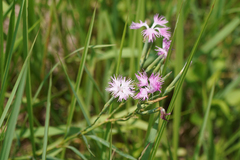 Dianthus longicalyx Long-calyx pink Photo: CC BY, WATANABE Hitoshi 渡辺仁
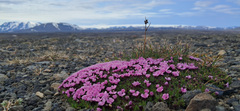 Silene acaulis Moss campion Photo: CC BY, Gratzer Archives
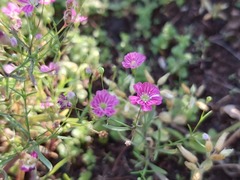 Psammophiliella muralis Low baby's-breath Photo: CC0, Tomas Pocius
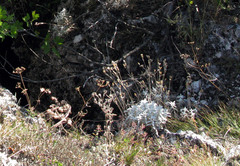 Cerastium biebersteinii Snow-in-summer Photo: CC BY, Igor Balashov
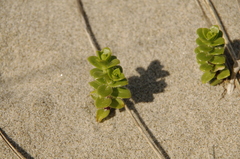 Honckenya peploides Sea sandwort Photo: CC BY, Eric Knight
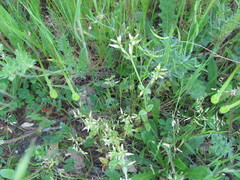 Cerastium glomeratum Sticky mouse-ear Photo: CC BY, zebedeugalinha
 Dianthus balbisii Balbis' Pink Photo: CC BY-SA, Fabien Piednoir
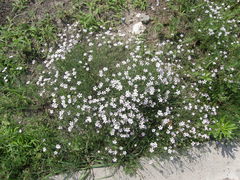 Petrorhagia saxifraga Tunicflower Photo: CC BY, Oleksandr Shynder
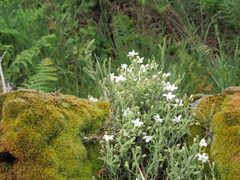 Arenaria montana Mountain sandwort Photo: CC BY, zebedeugalinha
Grown: iNaturalist's observations of the species marked captive or cultivated; "not counted" where the species list does not count it. Native ranges: Kew's World Checklist of Vascular Plants (Govaerts et al., CC BY 4.0), file of 4 June 2026. Grown: iNaturalist's observations marked captive or cultivated, counted 17 October 2026 (the species list's count). Habitat climate known: the species page has a habitat climate, read from CHELSA's monthly climate and NASA POWER's daily extremes at its well-placed wild records inside Kew's native range; each page says its own sources and days. Record low: the lowest night in NASA POWER's daily series at the habitat's typical spot, as the species page gives it, held in °C to a tenth and shown in your units; each page says its own years and day read. Counts as the reference built on 19 November 2026 holds them. The CSV holds every result, not only this page's.