Nyctaginaceae
56 species in 17 genera · 54 with a habitat climate · 56 grown, per iNaturalist
Most native to: Mexico Northeast 26Mexico Northwest 22Mexico Southwest 22Arizona 19Mexico Central 18Texas 18Mexico Gulf 17New Mexico 17California 15Bolivia 12Mexico Southeast 12Guatemala 11
A species counts in every region it is native to. Native ranges: Kew's World Checklist of Vascular Plants (Govaerts et al., CC BY 4.0), file of 4 June 2026.
56 species
Nyctaginaceae
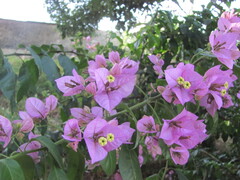 Bougainvillea glabra Paperflower Photo: CC BY, zebedeugalinha
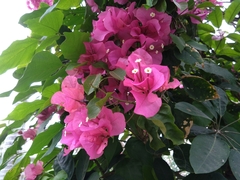 Bougainvillea spectabilis Great bougainvillea Photo: CC0, Felix E. Klee
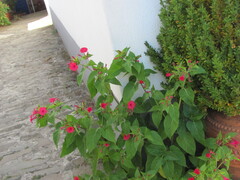 Mirabilis jalapa Marvel of Peru Photo: CC BY, zebedeugalinha
 Mirabilis multiflora Colorado Four o'Clock Photo: CC BY, Steve Matson
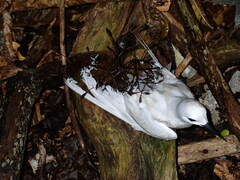 Pisonia grandis Grand devil's-claws Photo: CC BY, Mike Burnett
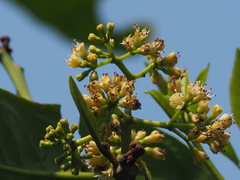 Ceodes umbellifera Birdcatcher Tree Photo: CC0, 葉子
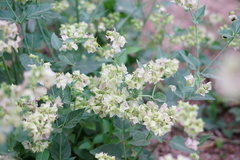 Mirabilis nyctaginea Wild Four O'clock Photo: CC BY, Maheva B Laursen
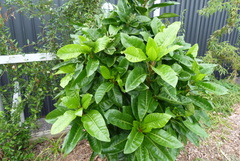 Ceodes brunoniana Bird Catcher Tree Photo: CC BY-SA, Colin Meurk
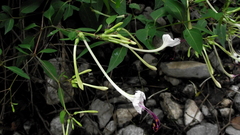 Mirabilis longiflora Sweet four-o'Clock Photo: CC BY-SA, Raúl Ernestoo
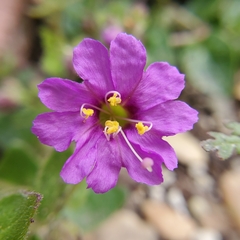 Mirabilis laevis Desert wishbone-bush Photo: CC0, John Cowles
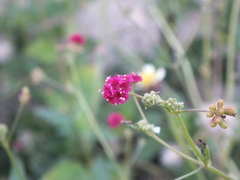 Boerhavia coccinea Scarlet spiderling Photo: CC BY, Lsf
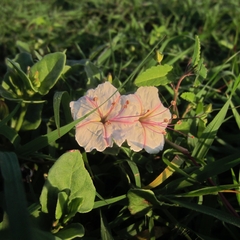 Acleisanthes obtusa Berlandier's trumpets Photo: CC BY, Pablo F. Domínguez
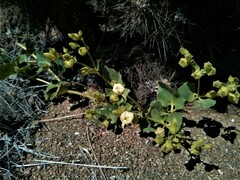 Mirabilis viscosa Viscid Four o'Clock Photo: CC BY, GREGORY ANTHONY PAUCA TANCO
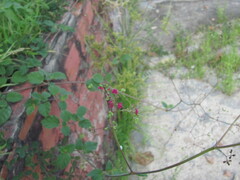 Boerhavia diffusa Red spiderling Photo: CC BY, zebedeugalinha
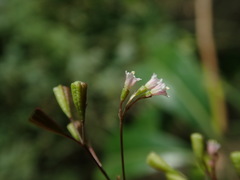 Boerhavia erecta Erect spiderling Photo: CC BY, Daniel Cahen
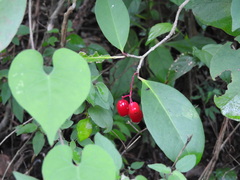 Neea psychotrioides Photo: CC BY, Juan Cruzado Cortés
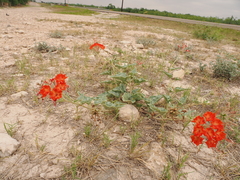 Nyctaginia capitata Scarlet muskflower Photo: CC BY, Joseph Aubert
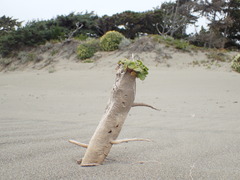 Abronia latifolia Yellow sand-verbena Photo: CC BY, Justin Paulin
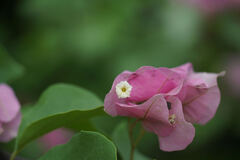 Bougainvillea peruviana Photo: CC BY, Connor Connolly-Moyls
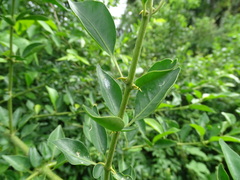 Pisonia aculeata Pullback Photo: CC BY, Alexis López Hernández
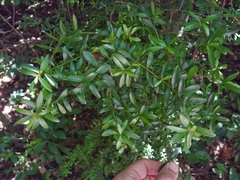 Neea buxifolia Saltwood Photo: CC BY-SA, Kurt Miller
 Guapira discolor Beeftree Photo: CC BY, Ben Machado
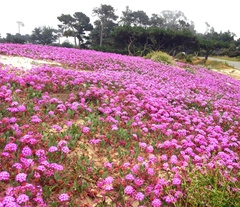 Abronia umbellata Pink sand verbena Photo: CC0, Irene
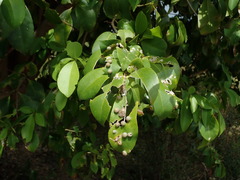 Guapira fragrans Black Loblolly Tree Photo: CC BY, Daniel Cahen
 Salpianthus arenarius Photo: CC BY, Francisco Farriols Sarabia
 Allionia incarnata Trailing Four o'Clock Photo: CC BY, Mark Pollock
 Mirabilis albida Mountain Four-o'clock Photo: CC BY-SA, Douglas Goldman
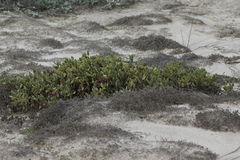 Abronia maritima Red sand verbena Photo: CC0, Diego Blanco
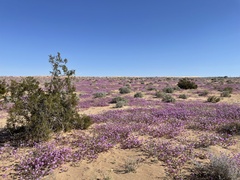 Abronia villosa Desert sand verbena Photo: CC0, Leah Rubin
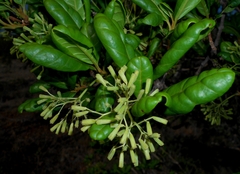 Pisonia rotundata Smooth devil's-claws Photo: CC BY, J. L. Gómez-Hechavarría
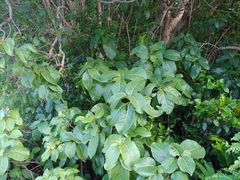 Pisonia subcordata Mappo Photo: CC BY-SA, Kurt Miller
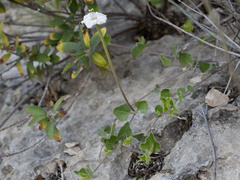 Acleisanthes longiflora Angel's trumpets Photo: CC BY-SA, Turner Brockman
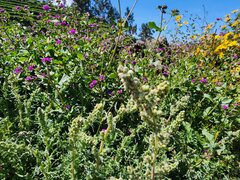 Mirabilis expansa Mauka Photo: CC BY, GREGORY ANTHONY PAUCA TANCO
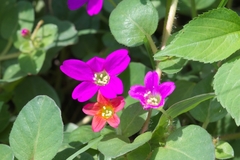 Okenia hypogaea Burrowing four-o’clock Photo: CC0, adel-fridus
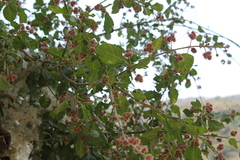 Pisonia capitata Mexican devil's-claws Photo: CC BY, Viacheslav Shalisko
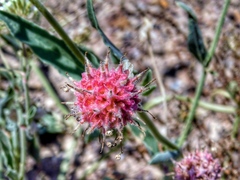 Abronia fragrans Sweet sand verbena Photo: CC BY, Patty Mitchum
 Commicarpus plumbagineus Plumbago Stars Photo: CC BY, Robert Taylor
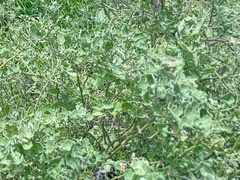 Cryptocarpus pyriformis Salt bush Photo: CC BY, Melissa Meadows
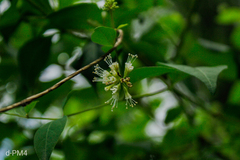 Pisoniella arborescens Photo: CC BY, Lourdes Mariel Quarin
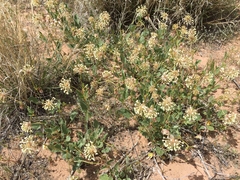 Abronia elliptica Bolack's Sand Verbena Photo: CC0, Robbie Hannawacker
 Commicarpus scandens Climbing wartclub Photo: CC0, Sinaloa Silvestre
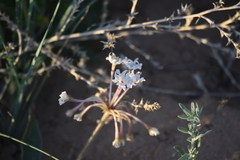 Tripterocalyx carneus Winged sandpuffs Photo: CC BY, William Harmon
 Boerhavia repens Anena Photo: CC BY, Martin Purdy
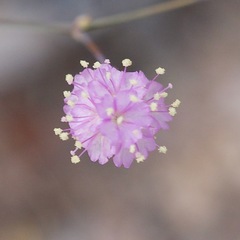 Boerhavia triquetra Creeping sticky-stem Photo: CC BY, Bill Levine
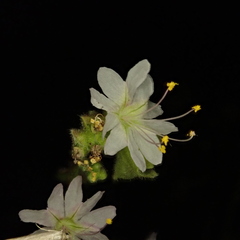 Mirabilis linearis Narrow-leaved four-o'clock Photo: CC BY, Clifton Ladd, C.W.B.
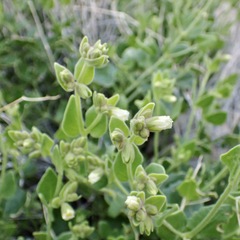 Mirabilis tenuiloba Longlobe four o'clock Photo: CC BY, Sue Carnahan
 Pisonia horneae Photo: CC BY-SA, Kurt Miller
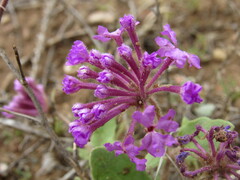 Abronia angustifolia Purple sand verbena Photo: CC BY, Anders Hastings
Grown: iNaturalist's observations of the species marked captive or cultivated; "not counted" where the species list does not count it. Native ranges: Kew's World Checklist of Vascular Plants (Govaerts et al., CC BY 4.0), file of 4 June 2026. Grown: iNaturalist's observations marked captive or cultivated, counted 17 October 2026 (the species list's count). Habitat climate known: the species page has a habitat climate, read from CHELSA's monthly climate and NASA POWER's daily extremes at its well-placed wild records inside Kew's native range; each page says its own sources and days. Record low: the lowest night in NASA POWER's daily series at the habitat's typical spot, as the species page gives it, held in °C to a tenth and shown in your units; each page says its own years and day read. Counts as the reference built on 19 November 2026 holds them. The CSV holds every result, not only this page's.