Plantaginaceae
573 species in 56 genera · 540 with a habitat climate · 532 grown, per iNaturalist, 41 not counted
Most native to: Spain 114Italy 89France 87Yugoslavia 79California 77New Zealand South 73Bulgaria 72Turkey 71Albania 66Greece 65Austria 63Romania 62
A species counts in every region it is native to. Native ranges: Kew's World Checklist of Vascular Plants (Govaerts et al., CC BY 4.0), file of 4 June 2026.
573 species
Plantaginaceae
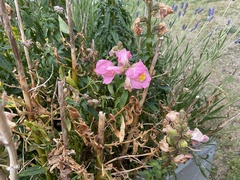 Antirrhinum majus Garden snapdragon Photo: CC0, nenp_cvcteam
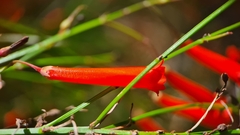 Russelia equisetiformis Fountainbush Photo: CC BY, Auradyme
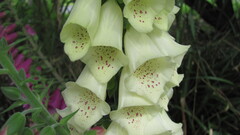 Digitalis purpurea Foxglove Photo: CC BY, zebedeugalinha
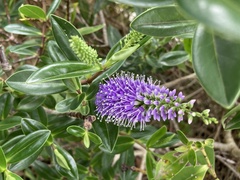 Veronica speciosa New Zealand hebe Photo: CC BY, jsimons
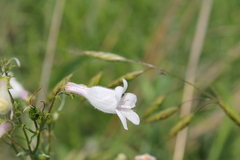 Penstemon digitalis Foxglove beardtongue Photo: CC BY, Dominic
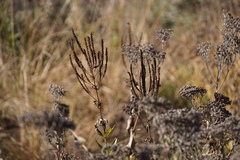 Veronicastrum virginicum Culver's root Photo: CC BY-SA, Mike B
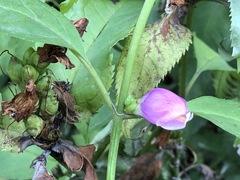 Chelone lyonii Pink turtlehead Photo: CC BY, Jason Grant
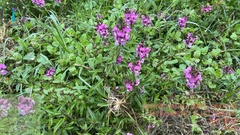 Angelonia salicariifolia Willowleaf angelon Photo: CC BY, 謝麗霦
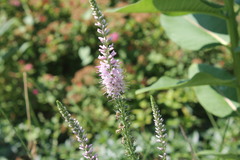 Veronica longifolia Garden speedwell Photo: CC BY, Violet T.
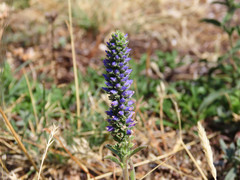 Veronica spicata Spiked speedwell Photo: CC BY-SA, Emanuele Santarelli
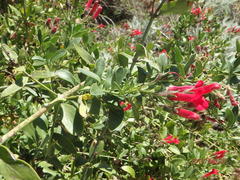 Gambelia speciosa Island Bush Snapdragon Photo: CC BY, Carl Carranza
Veronica × franciscana Photo: CC BY-SA, CawVus
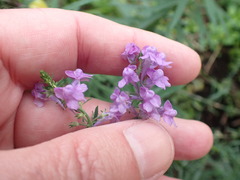 Linaria purpurea Purple toadflax Photo: CC BY, Kelvin Perrie
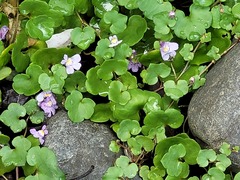 Cymbalaria muralis Kenilworth ivy Photo: CC BY, Doug Miller
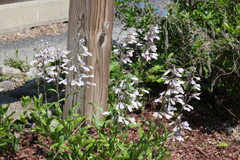 Penstemon hirsutus Hairy beardtongue Photo: CC BY, Andrea Gantzer
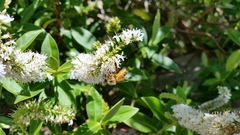 Veronica stricta Photo: CC0, Siobhan Leachman
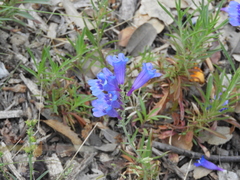 Penstemon heterophyllus Bunchleaf penstemon Photo: CC BY, Mary K. Hanson
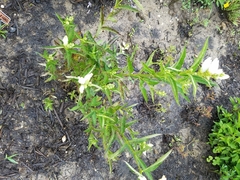 Chelone glabra White turtlehead Photo: CC0, Susan Christman Williams
 Penstemon eatonii Eaton's penstemon Photo: CC BY, Elliott Gordon
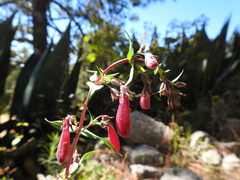 Penstemon roseus Pinto Beardtongue Photo: CC BY-SA, Leticia Jiménez Hernández
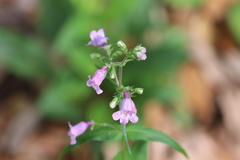 Penstemon tenuis Sharpsepal beardtongue Photo: CC BY, Rich Sommer
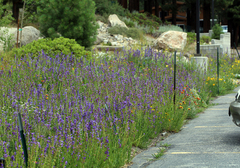 Penstemon strictus Rocky Mountain penstemon Photo: CC BY, Steve Matson
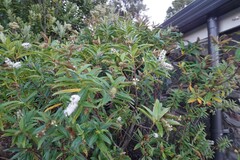 Veronica salicifolia Koromiko Photo: CC BY, Jon Sullivan
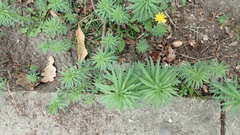 Linaria vulgaris Butter and eggs Photo: CC0, Andra Waagmeester
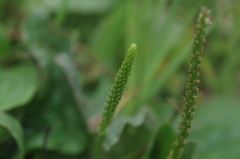 Plantago major Common plantain Photo: CC0, Don Johnston
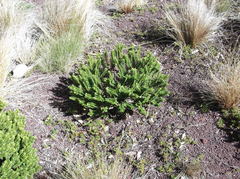 Veronica odora Boxleaf Hebe Photo: CC BY, Callan Bird
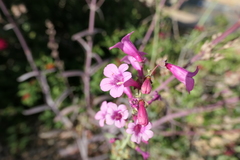 Penstemon parryi Parry's penstemon Photo: CC BY, Joseph Rojas
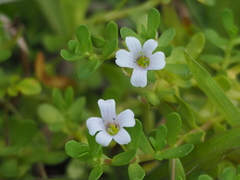 Bacopa monnieri Coastal water-hyssop Photo: CC0, 葉子
Plantago lanceolata English plantain Photo: CC BY-SA, Colin Meurk
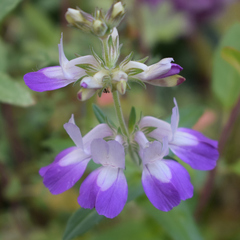 Collinsia heterophylla Chinese-houses Photo: CC0, Anne Parsons
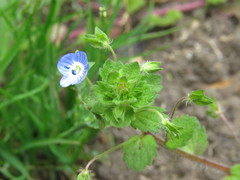 Veronica persica Common field-speedwell Photo: CC BY, Juan Carlos Caicedo Hernández
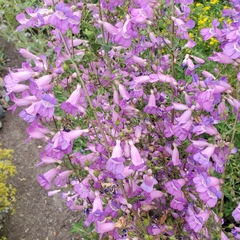 Penstemon spectabilis Showy penstemon Photo: CC0, John Cowles
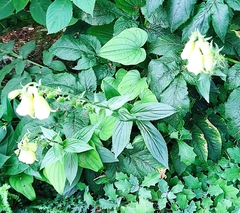 Digitalis grandiflora Yellow foxglove Photo: CC BY, Татьяна Максимова
 Angelonia angustifolia Narrowleaf angelon Photo: CC BY-SA, Ong Jyh Seng
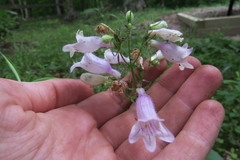 Penstemon calycosus Long-sepal beardtongue Photo: CC0, Jess Miller-Camp
 Matourea azurea Amazon blue Photo: CC BY-SA, Ong Jyh Seng
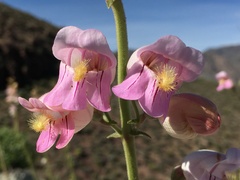 Penstemon palmeri Palmer penstemon Photo: CC0, Leah Gardner
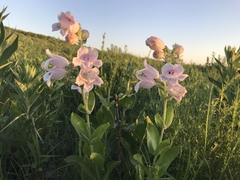 Penstemon cobaea Cobaea beardtongue Photo: CC BY, Ryan Donnelly
 Veronica teucrium Large speedwell Photo: CC0, Andra Waagmeester
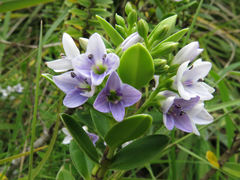 Veronica elliptica Native boxwood Photo: CC BY, John Barkla
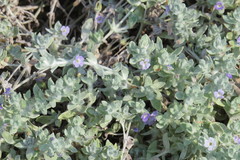 Stemodia lanata Woolly Stemodia Photo: CC BY, johnyochum
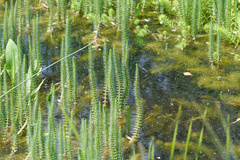 Hippuris vulgaris Mare's-tail Photo: CC BY, Donald Davesne
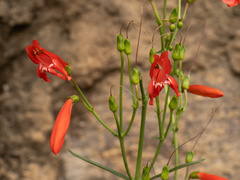 Penstemon barbatus Beardlip penstemon Photo: CC BY-SA, Turner Brockman
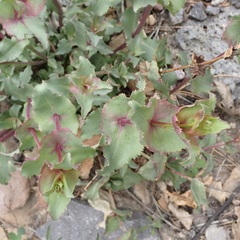 Penstemon pseudospectabilis Desert penstemon Photo: CC BY, Laura Gaudette
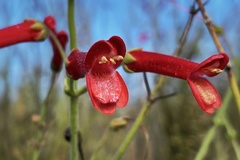 Gambelia juncea Baja Bush Snapdragon Photo: CC BY, Madeleine Claire
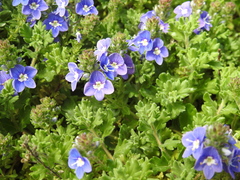 Veronica chamaedrys Germander speedwell Photo: CC BY-SA, Old Goat
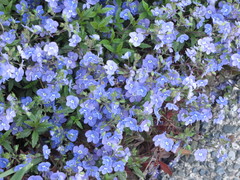 Veronica umbrosa Photo: CC BY, Liam Steele
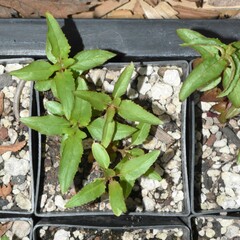 Penstemon serrulatus Cascade beardtongue Photo: CC BY, Gabriel Campbell-Martinez
Grown: iNaturalist's observations of the species marked captive or cultivated; "not counted" where the species list does not count it. Native ranges: Kew's World Checklist of Vascular Plants (Govaerts et al., CC BY 4.0), file of 4 June 2026. Grown: iNaturalist's observations marked captive or cultivated, counted 17 October 2026 (the species list's count). Habitat climate known: the species page has a habitat climate, read from CHELSA's monthly climate and NASA POWER's daily extremes at its well-placed wild records inside Kew's native range; each page says its own sources and days. Record low: the lowest night in NASA POWER's daily series at the habitat's typical spot, as the species page gives it, held in °C to a tenth and shown in your units; each page says its own years and day read. Counts as the reference built on 19 November 2026 holds them. The CSV holds every result, not only this page's.