Viburnaceae
97 species in 3 genera · 87 with a habitat climate · 86 grown, per iNaturalist, 11 not counted
Most native to: China South-Central 33China Southeast 29China North-Central 25Japan 17Georgia 16Pennsylvania 16Ohio 15Taiwan 15Tennessee 15Tibet 15Kentucky 14Korea 14
A species counts in every region it is native to. Native ranges: Kew's World Checklist of Vascular Plants (Govaerts et al., CC BY 4.0), file of 4 June 2026.
97 species
Viburnaceae
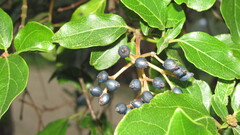 Viburnum tinus Laurustinus Photo: CC BY, zebedeugalinha
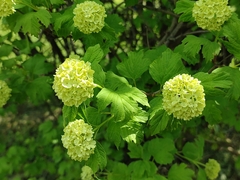 Viburnum opulus Guelder rose Photo: CC BY, Igor Balashov
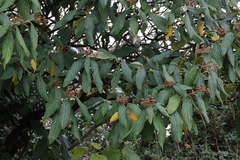 Viburnum rhytidophyllum Wrinkled viburnum Photo: CC0, Stephen James McWilliam
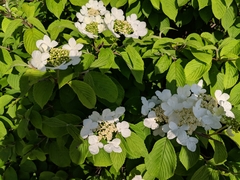 Viburnum plicatum Japanese snowball Photo: CC BY, Uki D. Lucas
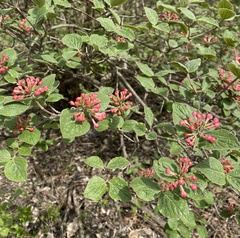 Viburnum carlesii Korean spice viburnum Photo: CC0, June Mire
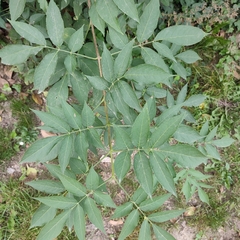 Sambucus nigra Elder Photo: CC0, Quentin Groom
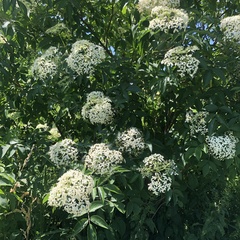 Sambucus canadensis American elder Photo: CC BY, Andrew Conboy
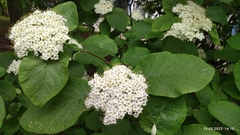 Viburnum lantana Wayfaring tree Photo: CC BY, Екатерина Гущина
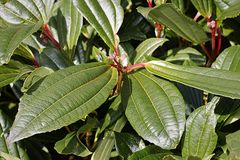 Viburnum davidii Photo: CC0, Stephen James McWilliam
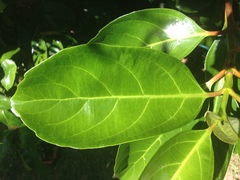 Viburnum odoratissimum Sweet viburnum Photo: CC BY, John Steel
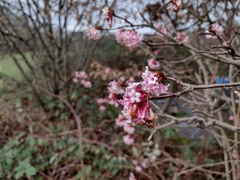 Viburnum farreri Farrer's Viburnum Photo: CC BY, Rolf A. Engelmann
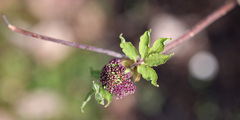 Sambucus racemosa Red-berried elder Photo: CC BY, Randy A Nonenmacher
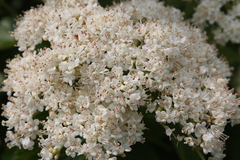 Viburnum dentatum Arrow-wood Photo: CC BY, Dominic
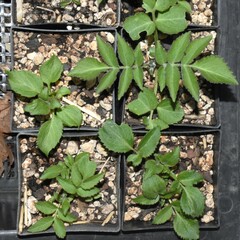 Sambucus cerulea Blue elderberry Photo: CC BY, Gabriel Campbell-Martinez
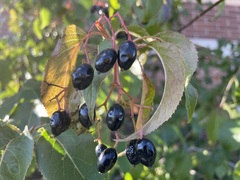 Viburnum lentago Nannyberry Photo: CC BY, Matt Lavin
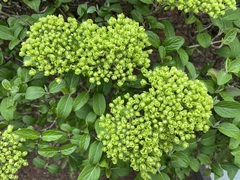 Viburnum macrocephalum Chinese snowball viburnum Photo: CC BY-SA, lejones417
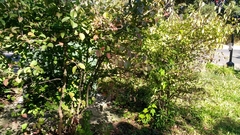 Viburnum prunifolium Black-haw viburnum Photo: CC0, Susan Butts
 Viburnum suspensum Sandankwa Viburnum Photo: CC0, Vijay Barve
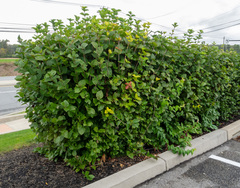 Viburnum dilatatum Linden arrowwood Photo: CC0, John Ambler
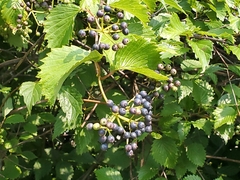 Viburnum recognitum Northern arrow-wood Photo: CC0, Craig Martin
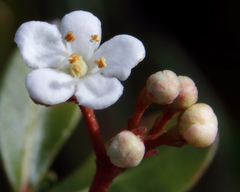 Viburnum obovatum Walter's viburnum Photo: CC0, Dennis White
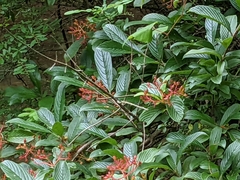 Viburnum sieboldii Siebold's arrowwood Photo: CC BY, Kailey Alderfer
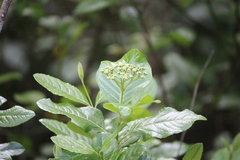 Viburnum nudum Possumhaw viburnum Photo: CC BY, Ashwin Srinivasan
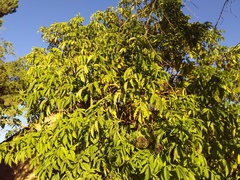 Sambucus peruviana Peruvian elder Photo: CC BY, Humber Alberto
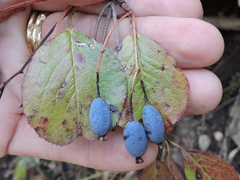 Viburnum rufidulum Blue haw Photo: CC BY, Sam Kieschnick
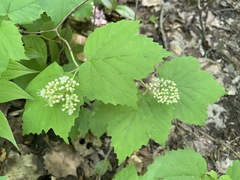 Viburnum acerifolium Dockmackie Photo: CC BY, Tom Scavo
 Sambucus javanica Chinese elder Photo: CC0, 葉子
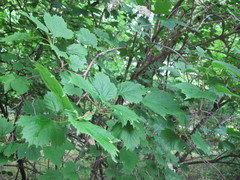 Viburnum sargentii Asian Guelder Rose Photo: CC BY-SA, Grzegorz Grzejszczak
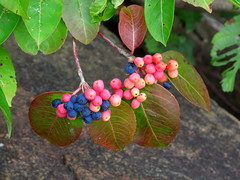 Viburnum cassinoides Wild raisin Photo: CC0, Ian Whyte
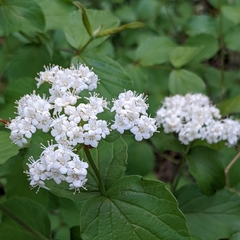 Viburnum rafinesqueanum Downy arrowwood Photo: CC BY, jonathan hunsberger
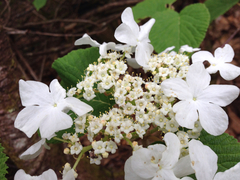 Viburnum lantanoides Hobblebush Photo: CC BY, Annie Evankow
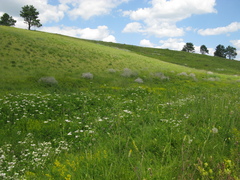 Sambucus ebulus Dwarf elder Photo: CC BY, Igor Balashov
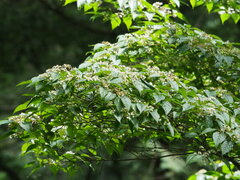 Viburnum luzonicum Luzon viburnum Photo: CC0, 葉子
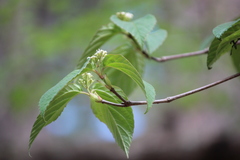 Viburnum setigerum Tea viburnum Photo: CC BY, Ashwin Srinivasan
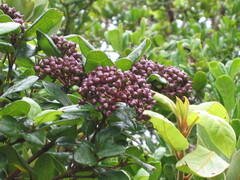 Viburnum treleasei Azorean Laurustinus Photo: CC BY, zebedeugalinha
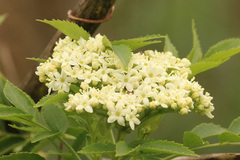 Sambucus australis Southern elder Photo: CC BY, Holger Braun
 Viburnum scabrellum Southern Toothed Viburnum Photo: CC BY, mfeaver
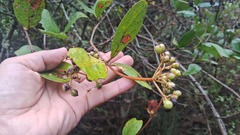 Viburnum tinoides Photo: CC BY, GERMAN LEONEL SARMIENTO CRUZ
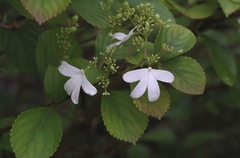 Viburnum hanceanum Photo: CC0, Agnes Trekker
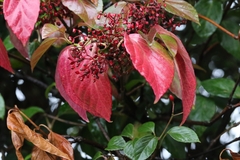 Viburnum japonicum Japanese viburnum Photo: CC0, Agnes Trekker
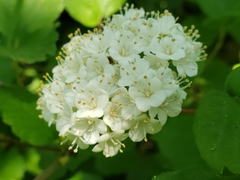 Viburnum ellipticum Common viburnum Photo: CC BY, Gavin Slater
 Sambucus sibirica Siberian elder Photo: CC BY, Виктория Билоус
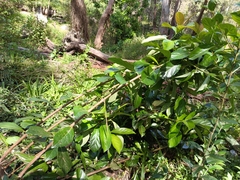 Viburnum awabuki Photo: CC BY, Carl Ramirez
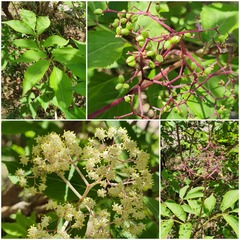 Sambucus williamsii William's elder Photo: CC BY, Urgamal Magsar
 Viburnum taitoense Taitung viburnum Photo: CC0, 葉子
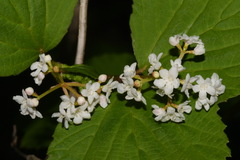 Viburnum edule Squashberry Photo: CC BY-SA, Brian Finzel
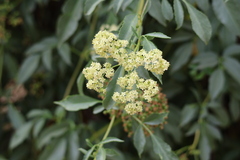 Sambucus mexicana Blue Elderberry Photo: CC BY, Millie Basden
 Viburnum triphyllum Photo: CC BY, Andrés Ramírez-Barrera
Grown: iNaturalist's observations of the species marked captive or cultivated; "not counted" where the species list does not count it. Native ranges: Kew's World Checklist of Vascular Plants (Govaerts et al., CC BY 4.0), file of 4 June 2026. Grown: iNaturalist's observations marked captive or cultivated, counted 17 October 2026 (the species list's count). Habitat climate known: the species page has a habitat climate, read from CHELSA's monthly climate and NASA POWER's daily extremes at its well-placed wild records inside Kew's native range; each page says its own sources and days. Record low: the lowest night in NASA POWER's daily series at the habitat's typical spot, as the species page gives it, held in °C to a tenth and shown in your units; each page says its own years and day read. Counts as the reference built on 19 November 2026 holds them. The CSV holds every result, not only this page's.