Clinopodium
31 species in the reference · family Lamiaceae · 31 with a habitat climate · 29 grown, per iNaturalist, 2 not counted
About the genus
Clinopodium is a genus of flowering plants in the family Lamiaceae, in the subtribe Menthinae. Clinopodium belongs to a large and complex group of genera including many New World mints such as Hedeoma, Monarda, and Pycnanthemum, and this group is in turn a sister clade to Mentha. The genus name Clinopodium is derived from the Latin clinopodion, from the Ancient Greek κλινοπόδιον (klinopódion), from κλίνη (klínē) "bed" and πόδιον (pódion) "little foot". These were names for Clinopodium vulgare. More on Wikipedia
Quoted from Wikipedia, "Clinopodium", its opening paragraph, revision 1354644937, read 2026-11-08, CC BY-SA 4.0.
Where Clinopodium is native
| Yugoslavia | 9 |
|---|---|
| Italy | 8 |
| Albania | 7 |
| Bulgaria | 7 |
| Greece | 7 |
| Spain | 7 |
| Turkey | 7 |
| Austria | 6 |
| France | 6 |
| Hungary | 6 |
| Romania | 6 |
| Sicilia | 6 |
Species native to each region. A species counts in every region it is native to. Native ranges: Kew's World Checklist of Vascular Plants (Govaerts et al., CC BY 4.0), file of 4 June 2026.
31 species
Clinopodium
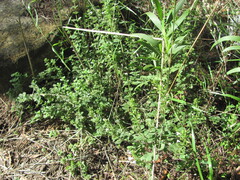 Clinopodium nepeta Lesser calamint Photo: CC BY, zebedeugalinha
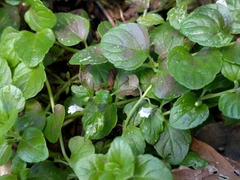 Clinopodium douglasii Yerba buena Photo: CC BY, Ken-ichi Ueda
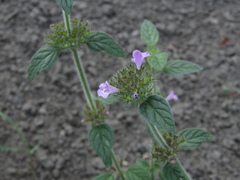 Clinopodium vulgare Wild basil Photo: CC BY, Oleksandr Shynder
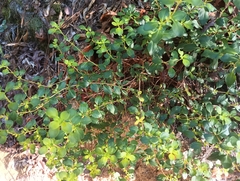 Clinopodium carolinianum Georgia calamint Photo: CC0, Raven Dandridge
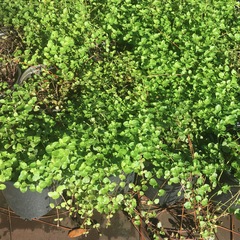 Clinopodium brownei Browne's savory Photo: CC BY, Gabriel Campbell-Martinez
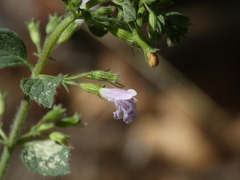 Clinopodium menthifolium Photo: CC BY, Yves Bas
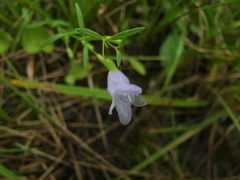 Clinopodium arkansanum Low calamint Photo: CC BY, Elias
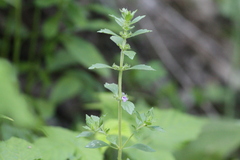 Clinopodium acinos Basil thyme Photo: CC BY, harrier
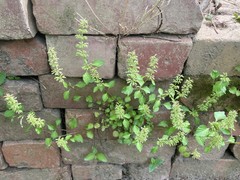 Clinopodium gracile Slender wild basil Photo: CC BY-SA, lejones417
 Clinopodium macrostemum Photo: CC BY-SA, Oscar Alejandro Morales Juárez
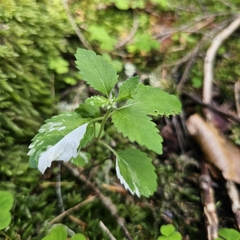 Clinopodium grandiflorum Greater calamint Photo: CC BY, Юлия Захаренко
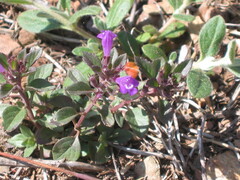 Clinopodium alpinum Rock Thyme Photo: CC BY, zebedeugalinha
 Clinopodium serpyllifolium Photo: CC BY, Mitch Van Dyke
 Clinopodium vimineum All-heal Photo: CC BY-SA, Kurt Miller
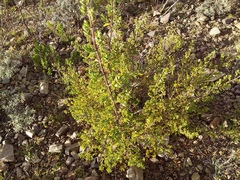 Clinopodium bolivianum Inca muña Photo: CC BY, Humber Alberto
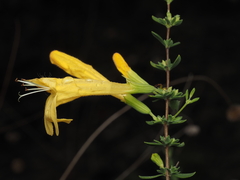 Clinopodium coccineum Scarlet calamint Photo: CC BY, carter
 Clinopodium chandleri San Miguel calamint Photo: CC BY, Amanda Fisher
 Clinopodium mexicanum Photo: CC BY-SA, Juan Cruzado Cortés
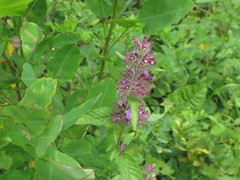 Clinopodium chinense Chinese Clinopodium Photo: CC BY, Repina Tatyana
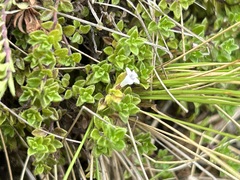 Clinopodium nubigenum Photo: CC BY, Staci Oré
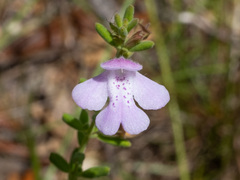 Clinopodium dentatum Florida calamint Photo: CC BY, Alex Abair
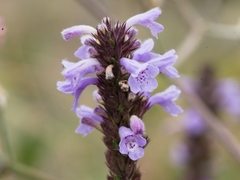 Clinopodium fasciculatum Photo: CC BY, Esteban Poveda
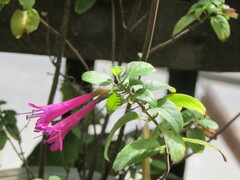 Clinopodium multiflorum Photo: CC BY, Bruno Avilez
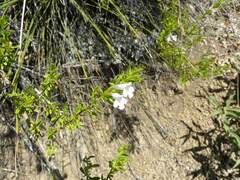 Clinopodium chilense Chilean Calamint Photo: CC BY, Cesar Ormazabal
- no open photograph on file Clinopodium micromerioides
 Clinopodium mimuloides Monkey-flower savory Photo: CC0, Scott Yarger
 Clinopodium ashei Ashe's calamint Photo: CC BY, novvictan
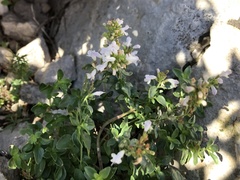 Clinopodium album Photo: CC BY, Pavel Kacl
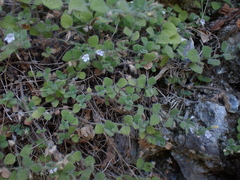 Clinopodium creticum Photo: CC BY, Skjold Søndergaard
 Clinopodium dalmaticum Photo: CC BY-SA, Krzysztof Ziarnek, Kenraiz
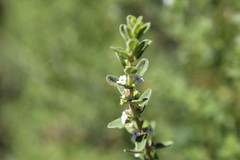 Clinopodium gilliesii Photo: CC BY-SA, Bruno Alzugaray
Grown: iNaturalist's observations of the species marked captive or cultivated; "not counted" where the species list does not count it. Native ranges: Kew's World Checklist of Vascular Plants (Govaerts et al., CC BY 4.0), file of 4 June 2026. Grown: iNaturalist's observations marked captive or cultivated, counted 17 October 2026 (the species list's count). Habitat climate known: the species page has a habitat climate, read from CHELSA's monthly climate and NASA POWER's daily extremes at its well-placed wild records inside Kew's native range; each page says its own sources and days. Record low: the lowest night in NASA POWER's daily series at the habitat's typical spot, as the species page gives it, held in °C to a tenth and shown in your units; each page says its own years and day read. Counts as the reference built on 19 November 2026 holds them. The CSV holds every result, not only this page's.