Erythrina
41 species in the reference · family Fabaceae · 40 with a habitat climate · 41 grown, per iNaturalist
About the genus
Erythrina is a genus of plants in the pea family, Fabaceae. It contains about 130 species, which are distributed in tropical and subtropical regions worldwide. They are trees, with the larger species growing up to 30 m (98 ft) in height. These species are known for their large flowers with long and bright red or orange petals.
Quoted from Wikipedia, "Erythrina", its opening paragraph, revision 1382081334, read 2026-11-08, CC BY-SA 4.0.
Where Erythrina is native
| Bolivia | 7 |
|---|---|
| Brazil Southeast | 7 |
| Colombia | 7 |
| Mexico Gulf | 7 |
| Mexico Southwest | 7 |
| Peru | 7 |
| Venezuela | 7 |
| Brazil Northeast | 6 |
| Brazil West-Central | 6 |
| Cape Provinces | 6 |
| Ecuador | 6 |
| India | 6 |
Species native to each region. A species counts in every region it is native to. Native ranges: Kew's World Checklist of Vascular Plants (Govaerts et al., CC BY 4.0), file of 4 June 2026.
41 species
Erythrina
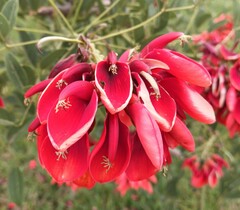 Erythrina crista-galli Cockspur coral tree Photo: CC BY-SA, Oscar Alejandro Morales Juárez
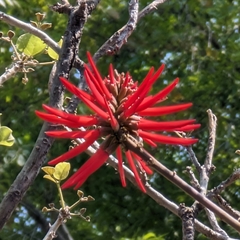 Erythrina americana American Coral Tree Photo: CC BY-SA, Leonardo Manuel Baez Schuh
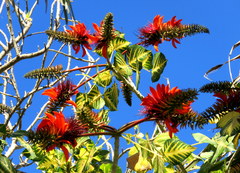 Erythrina variegata Indian coral tree Photo: CC BY, Alexis López Hernández
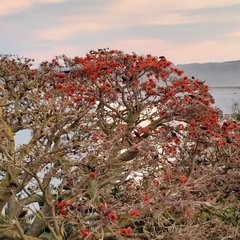 Erythrina afra Coral tree Photo: CC0, georgiasteel
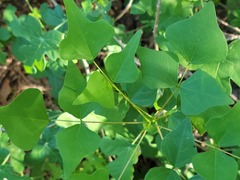 Erythrina herbacea Coral bean Photo: CC BY, johnyochum
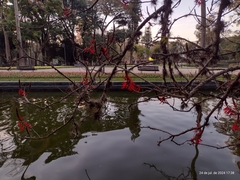 Erythrina speciosa Coral tree Photo: CC BY, Clarice Dorocinski
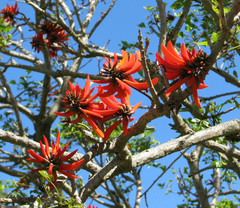 Erythrina lysistemon Common Coral Tree Photo: CC BY, Todd Boland
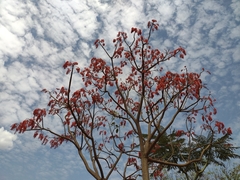 Erythrina falcata Brazilian coral tree Photo: CC BY, Gabriel Fernandes
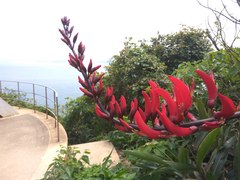 Erythrina corallodendron Coral erythrina Photo: CC BY, Samuel Lee
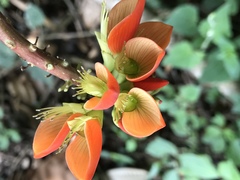 Erythrina edulis Basul Photo: CC BY, Nicolás Baresch Uribe
 Erythrina humeana Dwarf Coral Tree Photo: CC BY-SA, Charles Stirton
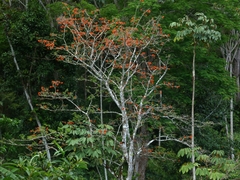 Erythrina velutina Red Bean Tree Photo: CC BY, Carlos Otávio Gussoni
 Erythrina fusca Coral-bean Photo: CC BY, Grete Pasch
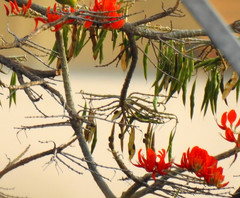 Erythrina poeppigiana Mountain immortelle Photo: CC0, Naturalist Tours
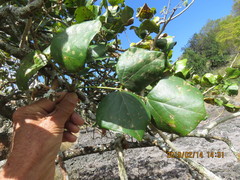 Erythrina sandwicensis Hawaiian Coral Tree Photo: CC0, Steve Wells
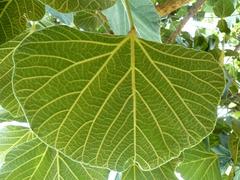 Erythrina latissima Lucky Bean Tree Photo: CC BY-SA, M Kriek
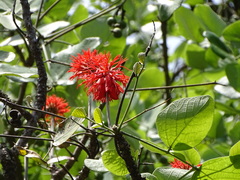 Erythrina abyssinica Luckybean Tree Photo: CC BY, Shaun Swanepoel
 Erythrina flabelliformis Coralbean Photo: CC BY, Jason K.
 Erythrina rubrinervia Photo: CC BY, Juan Carlos Caicedo Hernández
 Erythrina vespertilio Bat-wing Coral Tree Photo: CC BY-SA, Greg Tasney
 Erythrina acanthocarpa Thorny coraltree Photo: CC BY-SA, Charles Stirton
 Erythrina zeyheri Ploegbreker Photo: CC0, Peter Warren
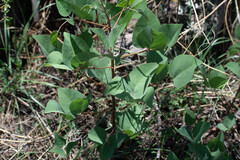 Erythrina leptorhiza Photo: CC BY, Norma Piedra
 Erythrina livingstoniana Aloe coraltree Photo: CC BY-SA, Paul Meintjes00
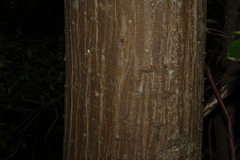 Erythrina numerosa Brush coral tree Photo: CC BY-SA, Greg Tasney
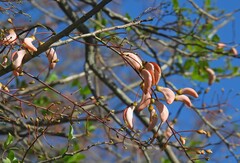 Erythrina mulungu Photo: CC0, Hugo Hulsberg
 Erythrina verna Mulungú Photo: CC BY, João Medeiros
 Erythrina breviflora Photo: CC BY-SA, Oscar Alejandro Morales Juárez
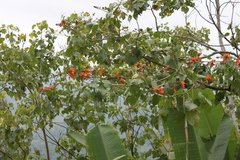 Erythrina subumbrans December-tree Photo: CC BY, Fabian Brambach
 Erythrina folkersii Photo: CC BY, Fernando Cecor
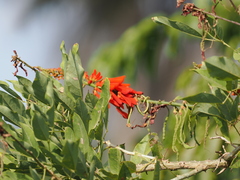 Erythrina senegalensis Senegal coraltree Photo: CC0, Arne Holgersson
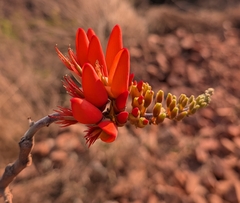 Erythrina suberosa Photo: CC BY, Ravuri Krishna Chaitanya
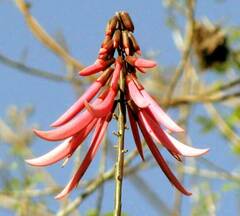 Erythrina standleyana Photo: CC0, Jim
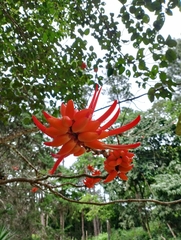 Erythrina costaricensis Photo: CC BY, Anthony Mora Aguilar
 Erythrina eggersii Cock's-spur Photo: CC BY-SA, Kurt Miller
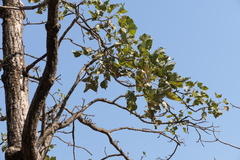 Erythrina stricta Prickly Coral Tree Photo: CC BY-SA, Dinesh Valke
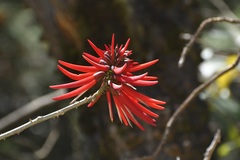 Erythrina berteroana Machete Photo: CC BY, Neptalí Ramírez Marcial
- no open photograph on file Erythrina tholloniana
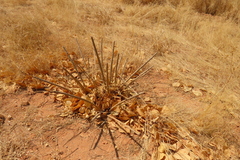 Erythrina decora Namib Coral Tree Photo: CC0, dune_ninja
- no open photograph on file Erythrina pallida Beau Mortel
 Erythrina arborescens Himalayan Coral Tree Photo: CC BY-SA, Woudloper
Grown: iNaturalist's observations of the species marked captive or cultivated; "not counted" where the species list does not count it. Native ranges: Kew's World Checklist of Vascular Plants (Govaerts et al., CC BY 4.0), file of 4 June 2026. Grown: iNaturalist's observations marked captive or cultivated, counted 17 October 2026 (the species list's count). Habitat climate known: the species page has a habitat climate, read from CHELSA's monthly climate and NASA POWER's daily extremes at its well-placed wild records inside Kew's native range; each page says its own sources and days. Record low: the lowest night in NASA POWER's daily series at the habitat's typical spot, as the species page gives it, held in °C to a tenth and shown in your units; each page says its own years and day read. Counts as the reference built on 19 November 2026 holds them. The CSV holds every result, not only this page's.