Limonium
44 species in the reference · family Plumbaginaceae · 40 with a habitat climate · 40 grown, per iNaturalist, 4 not counted
About the genus
Limonium is a genus of about 600 flowering plant species. Members are also known as sea-lavender, statice, caspia or marsh-rosemary. Despite their common names, species are not related to the lavenders or to rosemary. They are instead in Plumbaginaceae, the plumbago or leadwort family.
Quoted from Wikipedia, "Limonium", its opening paragraph, revision 1368788119, read 2026-11-08, CC BY-SA 4.0.
Where Limonium is native
| Spain | 15 |
|---|---|
| Canary Is. | 13 |
| France | 10 |
| Portugal | 8 |
| Algeria | 7 |
| Baleares | 7 |
| Morocco | 7 |
| Tunisia | 7 |
| Turkey | 7 |
| East Aegean Is. | 6 |
| Egypt | 6 |
| Italy | 6 |
Species native to each region. A species counts in every region it is native to. Native ranges: Kew's World Checklist of Vascular Plants (Govaerts et al., CC BY 4.0), file of 4 June 2026.
44 species
Limonium
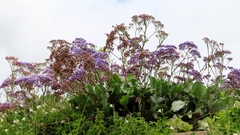 Limonium perezii Canary Sea Lavender Photo: CC BY, linkie
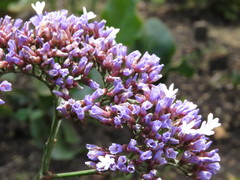 Limonium sinuatum Statice Photo: CC BY, Juan Carlos Caicedo Hernández
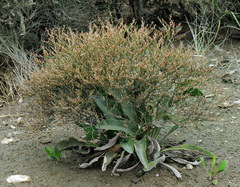 Limonium carolinianum Carolina sea lavender Photo: CC BY, Todd Boland
 Limonium coriarium Photo: CC BY-SA, Salicyna
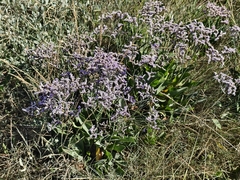 Limonium vulgare Common sea-lavender Photo: CC BY, fmunoz
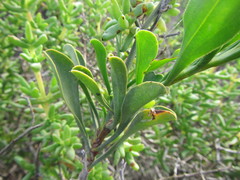 Limonium peregrinum Large Sea-Lavender Photo: CC BY-SA, douglaseustonbrown
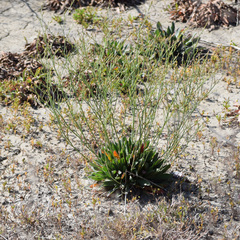 Limonium ramosissimum Algerian sea lavender Photo: CC0, Anne Parsons
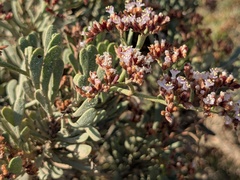 Limonium axillare Photo: CC BY, Julien Renoult
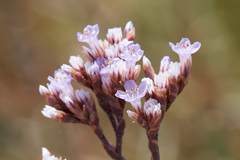 Limonium californicum Marsh-rosemary Photo: CC BY, Ken-ichi Ueda
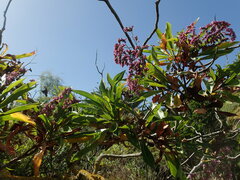 Limonium dendroides Photo: CC BY, Daniel Cahen
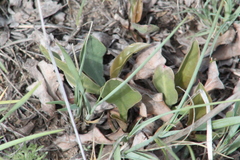 Limonium gmelini Siberian Statice Photo: CC BY, Maxim Shashkov
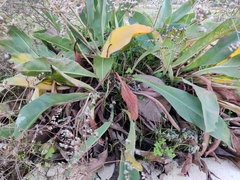 Limonium narbonense Swamp sea-lavender Photo: CC BY, Riccardo Rocca
 Limonium macrophyllum Photo: CC BY-SA, Rolf Engstrand
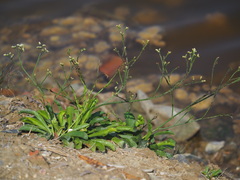 Limonium sinense Photo: CC0, 葉子
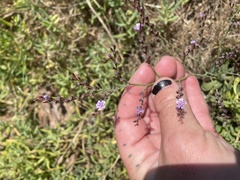 Limonium duriusculum European sea lavendar Photo: CC BY, mel letterman
Limonium sventenii Photo: CC BY-SA, Martin Lindner
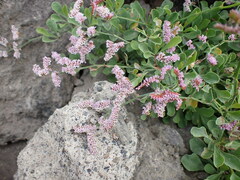 Limonium pectinatum Photo: CC BY, W Rao
 Limonium arboreum Photo: CC BY, Ben Jobson
 Limonium brassicifolium Photo: CC BY, Flocci Nivis
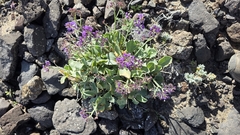 Limonium puberulum Photo: CC BY, Christoph Moning
 Limonium insigne Photo: CC BY, Olivier Argagnon
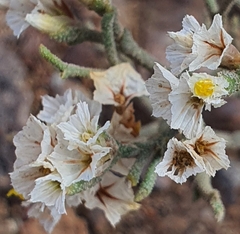 Limonium bicolor Bicolored sea lavender Photo: CC BY, Urgamal Magsar
 Limonium caesium Photo: CC BY-SA, Nanosanchez
- no open photograph on file Limonium cedrorum
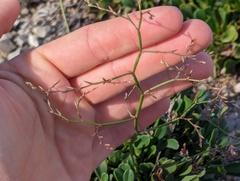 Limonium emarginatum Gibraltar sea lavender Photo: CC BY, Zac Peterson
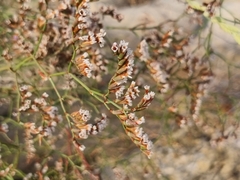 Limonium virgatum Olive-leaved Sea-lavender Photo: CC BY, Žan Rode
 Limonium malacitanum Photo: CC BY-SA, Feministo
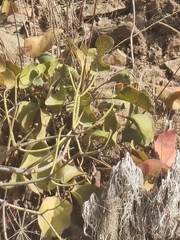 Limonium preauxii Photo: CC BY, Vítor Jorge
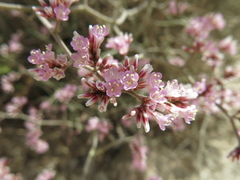 Limonium pruinosum Photo: CC BY, Nachman bones
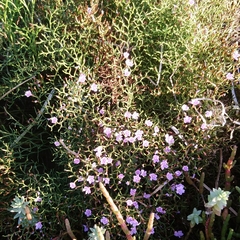 Limonium scabrum Cape Sea-Lavender Photo: CC BY, Henry de Lange
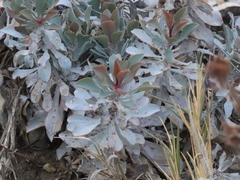 Limonium estevei Photo: CC0, Pennyinsole
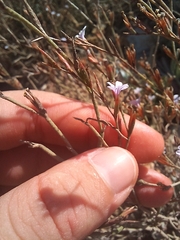 Limonium galilaeum Galilee sea-lavender Photo: CC BY, yelena_antipova
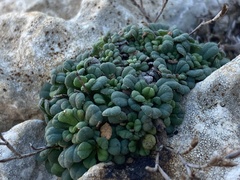 Limonium minutum Photo: CC BY, Hill Craddock
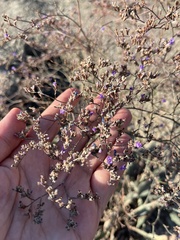 Limonium scoparium Photo: CC BY, Наталья Пикалова
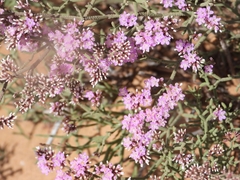 Limonium tuberculatum Photo: CC BY, Sara Navarro
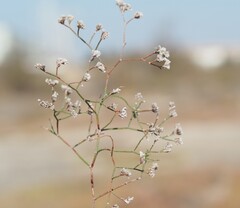 Limonium bellidifolium Matted sea-lavender Photo: CC BY, Louis Aureglia
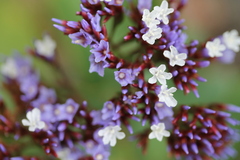 Limonium frutescens Photo: CC BY, Amelie Jorns
 Limonium redivivum Photo: CC BY-SA, Rüdiger Kratz, St. Ingbert
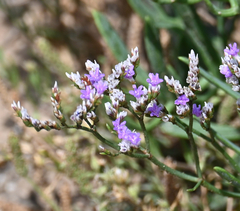 Limonium binervosum Rock sea-lavender Photo: CC BY, Eric Lamb
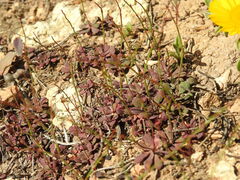 Limonium echioides Photo: CC BY, Duarte Frade
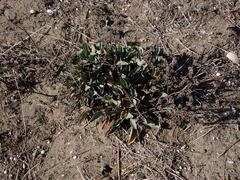 Limonium auriculae-ursifolium Broad-leaved Sea-lavender Photo: CC BY, Franck Cabot
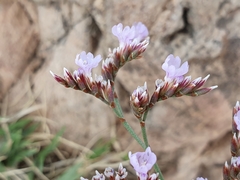 Limonium gougetianum Photo: CC BY, Mehdi Chetibi
- no open photograph on file Limonium hungaricum
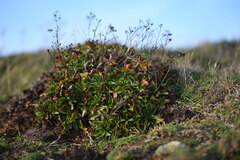 Limonium ovalifolium Photo: CC BY, Flavien Saboureau
Grown: iNaturalist's observations of the species marked captive or cultivated; "not counted" where the species list does not count it. Native ranges: Kew's World Checklist of Vascular Plants (Govaerts et al., CC BY 4.0), file of 4 June 2026. Grown: iNaturalist's observations marked captive or cultivated, counted 17 October 2026 (the species list's count). Habitat climate known: the species page has a habitat climate, read from CHELSA's monthly climate and NASA POWER's daily extremes at its well-placed wild records inside Kew's native range; each page says its own sources and days. Record low: the lowest night in NASA POWER's daily series at the habitat's typical spot, as the species page gives it, held in °C to a tenth and shown in your units; each page says its own years and day read. Counts as the reference built on 19 November 2026 holds them. The CSV holds every result, not only this page's.