Manilkara
9 species in the reference · family Sapotaceae · 8 with a habitat climate · 9 grown, per iNaturalist
About the genus
Manilkara is a genus of trees in the family Sapotaceae. They are widespread in tropical and semitropical locations, in Africa, Madagascar, Asia, Australia, and Latin America, as well as various islands in the Pacific and in the Caribbean. A close relative is the genus Pouteria.
Quoted from Wikipedia, "Manilkara", its opening paragraph, revision 1354822765, read 2026-11-08, CC BY-SA 4.0.
Where Manilkara is native
| Puerto Rico | 4 |
|---|---|
| Colombia | 3 |
| Dominican Republic | 3 |
| Panama | 3 |
| Belize | 2 |
| Cambodia | 2 |
| Costa Rica | 2 |
| Cuba | 2 |
| El Salvador | 2 |
| Guatemala | 2 |
| Haiti | 2 |
| Honduras | 2 |
Species native to each region. A species counts in every region it is native to. Native ranges: Kew's World Checklist of Vascular Plants (Govaerts et al., CC BY 4.0), file of 4 June 2026.
9 species
Manilkara
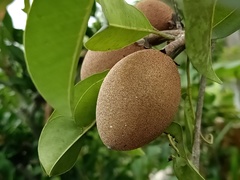 Manilkara zapota Sapodilla Photo: CC BY-SA, Ong Jyh Seng
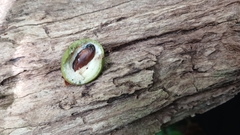 Manilkara bidentata Bulletwood Photo: CC BY, Mario Guzmán
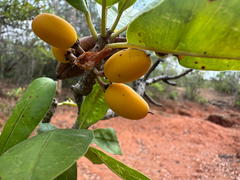 Manilkara hexandra Ceylon Ironwood Photo: CC BY, Teja Yantrapalli
 Manilkara kauki Wongai Plum Photo: CC BY, coenobita
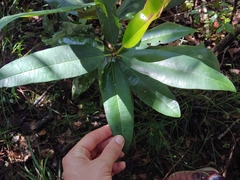 Manilkara pleeana Zapote de costa Photo: CC BY-SA, Kurt Miller
 Manilkara chicle Photo: CC0, geralg
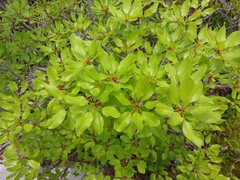 Manilkara jaimiqui Wild dilly Photo: CC BY, Stuart Cable
- no open photograph on file Manilkara valenzuelana
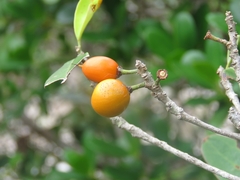 Manilkara subsericea Photo: CC BY, Pablo Cauã da Silva Toledo
Grown: iNaturalist's observations of the species marked captive or cultivated; "not counted" where the species list does not count it. Native ranges: Kew's World Checklist of Vascular Plants (Govaerts et al., CC BY 4.0), file of 4 June 2026. Grown: iNaturalist's observations marked captive or cultivated, counted 17 October 2026 (the species list's count). Habitat climate known: the species page has a habitat climate, read from CHELSA's monthly climate and NASA POWER's daily extremes at its well-placed wild records inside Kew's native range; each page says its own sources and days. Record low: the lowest night in NASA POWER's daily series at the habitat's typical spot, as the species page gives it, held in °C to a tenth and shown in your units; each page says its own years and day read. Counts as the reference built on 19 November 2026 holds them. The CSV holds every result, not only this page's.