Monarda
16 species in the reference · family Lamiaceae · 15 with a habitat climate · 16 grown, per iNaturalist
About the genus
Monarda is a genus of flowering plants in the mint family, Lamiaceae. The genus is endemic to North America. Common names include bergamot, bee balm, horsemint, and oswego tea, the first being inspired by the fragrance of the leaves, which is reminiscent of bergamot orange (Citrus bergamia). The genus was named for the Spanish botanist Nicolás Monardes, who wrote a book in 1574 describing plants of the New World.
Quoted from Wikipedia, "Monarda", its opening paragraph, revision 1354642052, read 2026-11-08, CC BY-SA 4.0.
Where Monarda is native
| Texas | 10 |
|---|---|
| Oklahoma | 8 |
| Alabama | 7 |
| Kentucky | 7 |
| Tennessee | 7 |
| Arkansas | 6 |
| Georgia | 6 |
| Kansas | 6 |
| Illinois | 5 |
| Indiana | 5 |
| Maryland | 5 |
| New York | 5 |
Species native to each region. A species counts in every region it is native to. Native ranges: Kew's World Checklist of Vascular Plants (Govaerts et al., CC BY 4.0), file of 4 June 2026.
16 species
Monarda
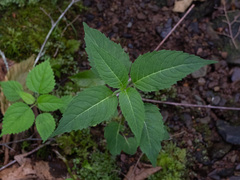 Monarda didyma Oswego tea Photo: CC BY, Alex Abair
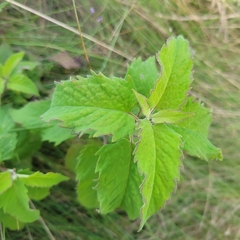 Monarda fistulosa Wild bergamot Photo: CC BY, Veronica Jendrick
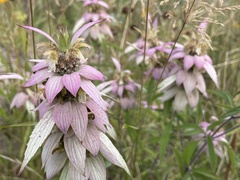 Monarda punctata Spotted beebalm Photo: CC0, toadhunter
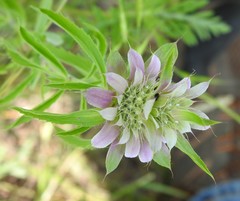 Monarda citriodora Lemon beebalm Photo: CC BY, saltyhiker
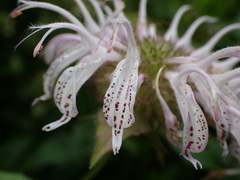 Monarda bradburyana Eastern bee-balm Photo: CC BY, Cricket Raspet
 Monarda lindheimeri Lindheimer's beebalm Photo: CC BY, Eric Knight
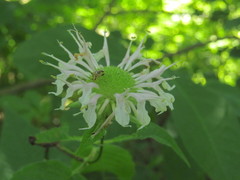 Monarda clinopodia Basil beebalm Photo: CC BY, Theo Rickert
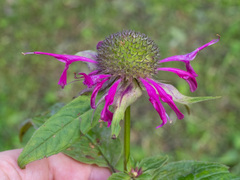 Monarda media Purple bergamot Photo: CC BY, Alex Abair
- no open photograph on file Monarda × medioides
 Monarda clinopodioides Basil beebalm Photo: CC BY, Sam Kieschnick
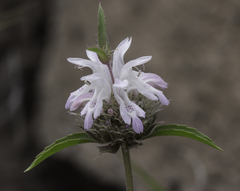 Monarda pectinata Plains beebalm Photo: CC0, Craig Martin
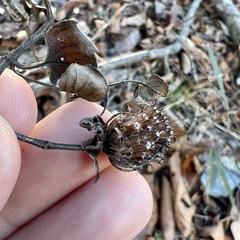 Monarda stipitatoglandulosa Photo: CC BY, Joshua Ebright
 Monarda russeliana Russell's henbit Photo: CC BY, Sam Kieschnick
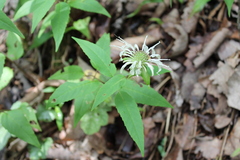 Monarda austroappalachiana South Appalachian beebalm Photo: CC BY, Dominic
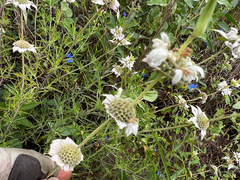 Monarda fruticulosa Texas Sandsheet Beebalm Photo: CC BY, Clifton Ladd, C.W.B.
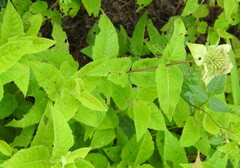 Monarda luteola Yellow Flowered Beebalm Photo: CC BY, saltyhiker
Grown: iNaturalist's observations of the species marked captive or cultivated; "not counted" where the species list does not count it. Native ranges: Kew's World Checklist of Vascular Plants (Govaerts et al., CC BY 4.0), file of 4 June 2026. Grown: iNaturalist's observations marked captive or cultivated, counted 17 October 2026 (the species list's count). Habitat climate known: the species page has a habitat climate, read from CHELSA's monthly climate and NASA POWER's daily extremes at its well-placed wild records inside Kew's native range; each page says its own sources and days. Record low: the lowest night in NASA POWER's daily series at the habitat's typical spot, as the species page gives it, held in °C to a tenth and shown in your units; each page says its own years and day read. Counts as the reference built on 19 November 2026 holds them. The CSV holds every result, not only this page's.