Nothofagus
19 species in the reference · family Nothofagaceae · 19 with a habitat climate · 19 grown, per iNaturalist
About the genus
Nothofagus, also known as the southern beeches, is a genus of 43 species of trees and shrubs native to the Southern Hemisphere, found across southern South America (Chile, Argentina) and eastern and southeast Australia, New Zealand, New Guinea, and New Caledonia. The species are ecological dominants in many temperate forests in these regions. Some species are reportedly naturalised in Germany and Great Britain. The genus has a rich fossil record of leaves, cupules, and pollen, with fossils extending into the late Cretaceous period and occurring in Australia, New Zealand, Antarctica, and South America.
Quoted from Wikipedia, "Nothofagus", its opening paragraph, revision 1380164631, read 2026-11-08, CC BY-SA 4.0.
Where Nothofagus is native
| Chile Central | 9 |
|---|---|
| Chile South | 7 |
| Argentina South | 6 |
| New Zealand North | 5 |
| New Zealand South | 5 |
| Tasmania | 2 |
| New South Wales | 1 |
| Queensland | 1 |
| Victoria | 1 |
Species native to each region. A species counts in every region it is native to. Native ranges: Kew's World Checklist of Vascular Plants (Govaerts et al., CC BY 4.0), file of 4 June 2026.
19 species
Nothofagus
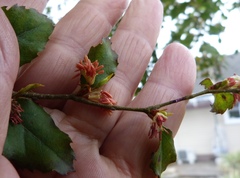 Nothofagus fusca Red beech Photo: CC BY-SA, Colin Meurk
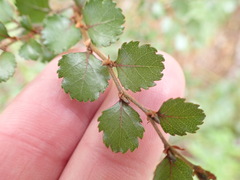 Nothofagus menziesii Silver beech Photo: CC BY, Kelvin Perrie
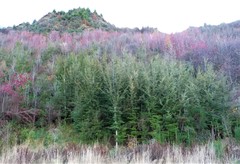 Nothofagus cliffortioides Mountain Beech Photo: CC BY-SA, Colin Meurk
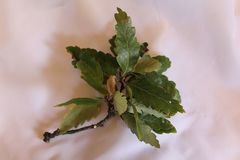 Nothofagus obliqua Roble beech Photo: CC BY-SA, Andrew Thomas
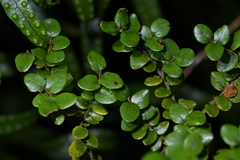 Nothofagus solandri Black Beech Photo: CC BY-SA, Christopher Stephens
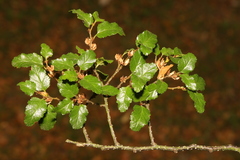 Nothofagus antarctica Antarctic beech Photo: CC0, Stephen James McWilliam
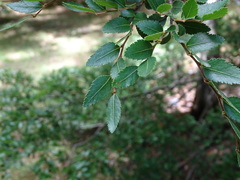 Nothofagus dombeyi Coigue Photo: CC BY, Cristian Riquelme
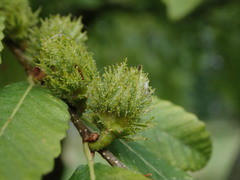 Nothofagus alpina Rauli Photo: CC BY, Daniel Cahen
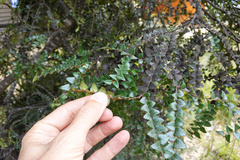 Nothofagus cunninghamii Myrtle beech Photo: CC BY, Jon Sullivan
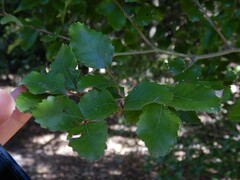 Nothofagus truncata Hard beech Photo: CC BY, Jon Sullivan
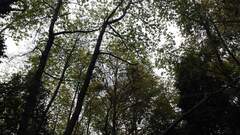 Nothofagus alessandrii Photo: CC BY, Cesar Ormazabal
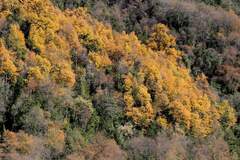 Nothofagus glauca Photo: CC BY, Cesar Ormazabal
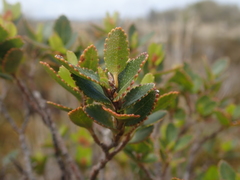 Nothofagus betuloides Magellan's Beech Photo: CC BY, Nolan Exe
 Nothofagus macrocarpa Photo: CC BY, Nicolás Lavandero
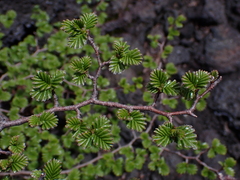 Nothofagus pumilio Lenga Beech Photo: CC BY, Nolan Exe
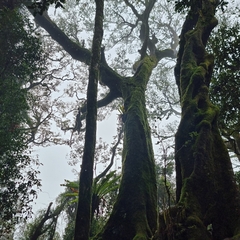 Nothofagus moorei Antarctic Beech Photo: CC BY, Martin Rady
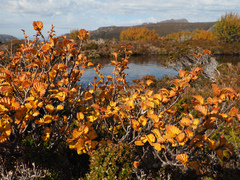 Nothofagus gunnii Tanglefoot Photo: CC0, Cowirrie
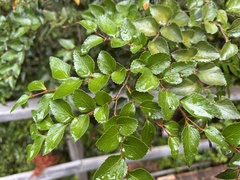 Nothofagus nitida Chiloé's Coigue Photo: CC BY, Cody Hinchliff
- no open photograph on file Nothofagus × leoni
Grown: iNaturalist's observations of the species marked captive or cultivated; "not counted" where the species list does not count it. Native ranges: Kew's World Checklist of Vascular Plants (Govaerts et al., CC BY 4.0), file of 4 June 2026. Grown: iNaturalist's observations marked captive or cultivated, counted 17 October 2026 (the species list's count). Habitat climate known: the species page has a habitat climate, read from CHELSA's monthly climate and NASA POWER's daily extremes at its well-placed wild records inside Kew's native range; each page says its own sources and days. Record low: the lowest night in NASA POWER's daily series at the habitat's typical spot, as the species page gives it, held in °C to a tenth and shown in your units; each page says its own years and day read. Counts as the reference built on 19 November 2026 holds them. The CSV holds every result, not only this page's.