Prunus
126 species in the reference · family Rosaceae · 101 with a habitat climate · 113 grown, per iNaturalist, 13 not counted
About the genus
Prunus is a genus of flowering trees and shrubs from the rose family (Rosaceae) that produce stone fruits, or drupes. As of March 2024, the genus has about 340 accepted species, including almonds, apricots, cherries, peaches (and nectarines), and plums. It has a cosmopolitan distribution, being native to the temperate regions of North America, the neotropics of South America, and temperate and tropical regions of Eurasia and Africa.
Quoted from Wikipedia, "Prunus", its opening paragraph, revision 1376189969, read 2026-11-08, CC BY-SA 4.0.
Where Prunus is native
| China Southeast | 28 |
|---|---|
| China South-Central | 27 |
| China North-Central | 25 |
| Manchuria | 18 |
| Korea | 16 |
| Japan | 15 |
| Transcaucasus | 12 |
| Turkey | 12 |
| Iran | 11 |
| Kazakhstan | 11 |
| Tennessee | 11 |
| Texas | 11 |
Species native to each region. A species counts in every region it is native to. Native ranges: Kew's World Checklist of Vascular Plants (Govaerts et al., CC BY 4.0), file of 4 June 2026.
126 species
Prunus
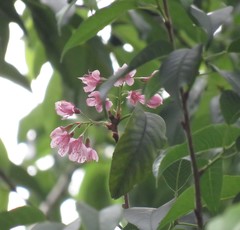 Prunus serrulata Japanese cherry Photo: CC BY, Juan Carlos Caicedo Hernández
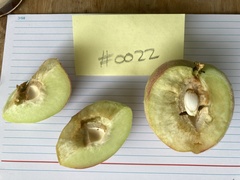 Prunus persica Peach Photo: CC BY, Danielle
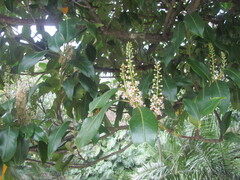 Prunus laurocerasus Cherry laurel Photo: CC BY, zebedeugalinha
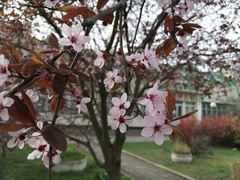 Prunus cerasifera Cherry plum Photo: CC BY, Roman A. Lagazyuk (Роман А. Лагазюк)
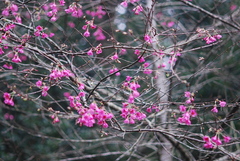 Prunus campanulata Formosan cherry Photo: CC BY, 胡正恆(Jackson Hu)
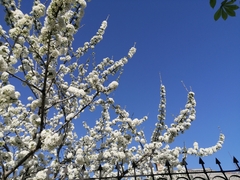 Prunus avium Wild cherry Photo: CC BY, Roman A. Lagazyuk (Роман А. Лагазюк)
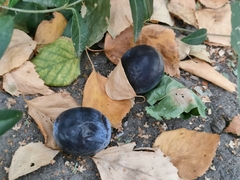 Prunus domestica European plum Photo: CC BY, mikami-kun
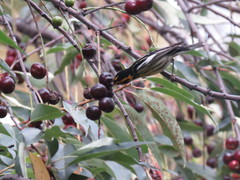 Prunus serotina Black cherry Photo: CC BY, Juan Carlos Caicedo Hernández
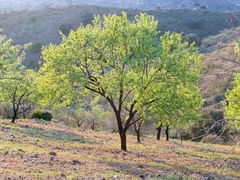 Prunus amygdalus Photo: CC BY-SA, Daniel Capilla
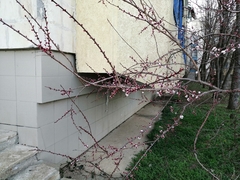 Prunus armeniaca Apricot Photo: CC BY, Roman A. Lagazyuk (Роман А. Лагазюк)
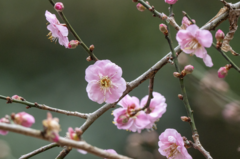 Prunus mume Japanese apricot Photo: CC BY, Andrew Lai
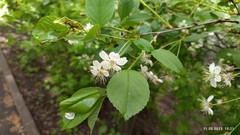 Prunus cerasus Sour cherry Photo: CC BY, Екатерина Гущина
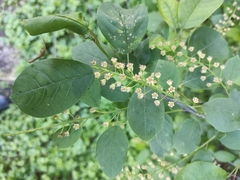 Prunus virginiana Chokecherry Photo: CC BY, iljar
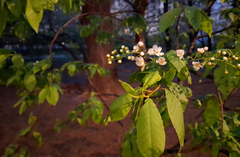 Prunus padus Bird cherry Photo: CC BY, Георгий Виноградов (Georgy Vinogradov)
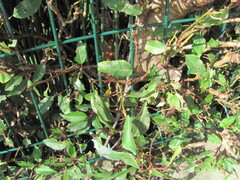 Prunus lusitanica Portugal laurel Photo: CC BY, zebedeugalinha
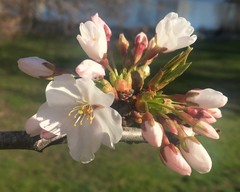 Prunus × yedoensis Yoshino cherry Photo: CC0, Daniel Atha
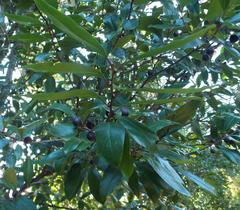 Prunus caroliniana Carolina laurel cherry Photo: CC BY, Alison Copeland
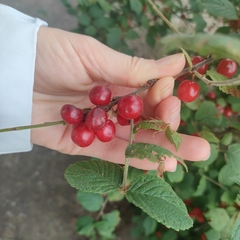 Prunus tomentosa Nanking cherry Photo: CC BY, mikami-kun
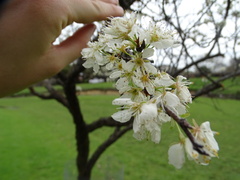 Prunus mexicana Mexican plum Photo: CC BY, Nathan May
 Prunus salicina Japanese plum Photo: CC BY, Forest & Kim Starr
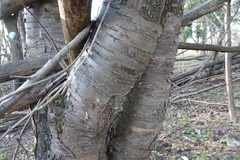 Prunus maackii Amur choke cherry Photo: CC BY, Валерия Ковалева
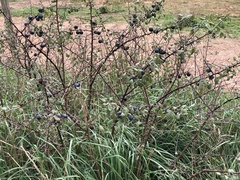 Prunus spinosa Blackthorn Photo: CC BY, Naturalista
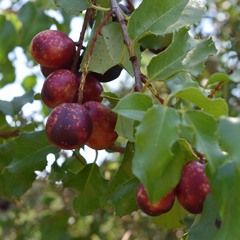 Prunus ilicifolia Hollyleaf cherry Photo: CC0, Anne Parsons
 Prunus americana American plum Photo: CC0, Dave Behm
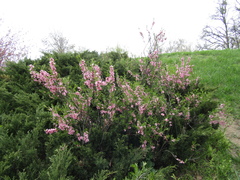 Prunus tenella Dwarf Russian almond Photo: CC BY, Oleksandr Shynder
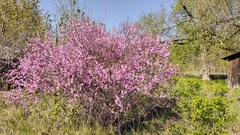 Prunus triloba Flowering plum Photo: CC BY, Andrew Bazdyrev
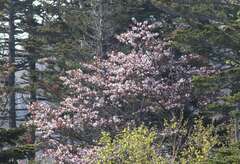 Prunus sargentii Sargent's cherry Photo: CC BY, Pavel Smirnov
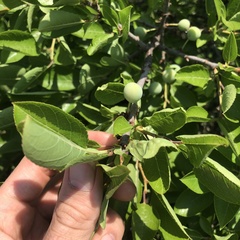 Prunus maritima Beach plum Photo: CC BY, Andrew Conboy
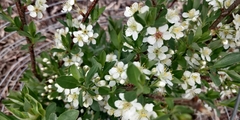 Prunus pumila Sand cherry Photo: CC BY, Jeff Hansen
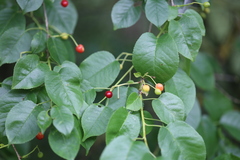 Prunus mahaleb Mahaleb cherry Photo: CC BY, Bee Together
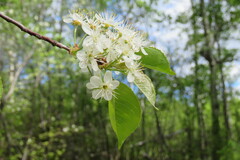 Prunus pensylvanica Pin cherry Photo: CC0, dghjertaas
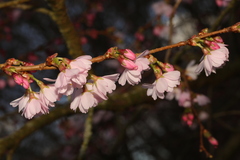 Prunus × subhirtella Winter-flowering cherry Photo: CC0, Stephen James McWilliam
 Prunus glandulosa Dwarf flowering almond Photo: CC BY, Repina Tatyana
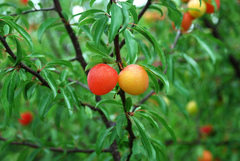 Prunus angustifolia Cherokee plum Photo: CC BY-SA, Douglas Goldman
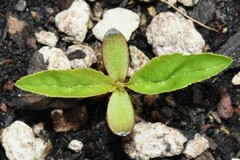 Prunus emarginata Bitter cherry Photo: CC BY, Gabriel Campbell-Martinez
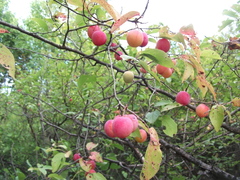 Prunus nigra Canada plum Photo: CC BY, Matt Bowser
 Prunus davidiana Chinese Wild Peach Photo: CC BY, Yi CHEN
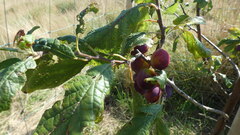 Prunus insititia Photo: CC BY, Bob
 Prunus itosakura Higan cherry Photo: CC BY, 呂一起(Lyu yi-chi)
 Prunus jamasakura Photo: CC0, Takashi KOIKE
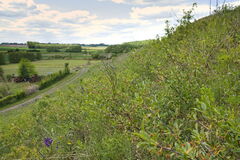 Prunus fruticosa European dwarf cherry Photo: CC BY, Bobo-X
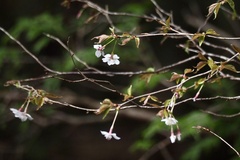 Prunus incisa Fuji cherry Photo: CC BY, りなべる
 Prunus serrula Birchbark cherry Photo: CC BY-SA, Sten Porse
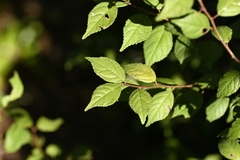 Prunus japonica Japanese bush cherry Photo: CC BY, 曾昱承 Yu-Cheng Zeng
 Prunus cerasoides Wild Himalayan cherry Photo: CC0, Jonathan Whitaker
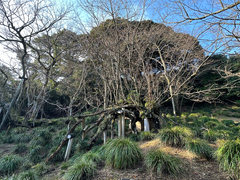 Prunus speciosa Oshima cherry Photo: CC BY, Yoshihiro Tokue
- no open photograph on file Prunus × syriaca
 Prunus pogonostyla Photo: CC0, 葉子
Grown: iNaturalist's observations of the species marked captive or cultivated; "not counted" where the species list does not count it. Native ranges: Kew's World Checklist of Vascular Plants (Govaerts et al., CC BY 4.0), file of 4 June 2026. Grown: iNaturalist's observations marked captive or cultivated, counted 17 October 2026 (the species list's count). Habitat climate known: the species page has a habitat climate, read from CHELSA's monthly climate and NASA POWER's daily extremes at its well-placed wild records inside Kew's native range; each page says its own sources and days. Record low: the lowest night in NASA POWER's daily series at the habitat's typical spot, as the species page gives it, held in °C to a tenth and shown in your units; each page says its own years and day read. Counts as the reference built on 19 November 2026 holds them. The CSV holds every result, not only this page's.