Rosaceae
1,244 species in 95 genera · 957 with a habitat climate · 1,041 grown, per iNaturalist, 203 not counted
Most native to: China South-Central 324China North-Central 215China Southeast 174France 171Yugoslavia 158Italy 154Tibet 144Switzerland 138Germany 136Turkey 135Austria 134Bulgaria 129
A species counts in every region it is native to. Native ranges: Kew's World Checklist of Vascular Plants (Govaerts et al., CC BY 4.0), file of 4 June 2026.
1,244 species
Rosaceae
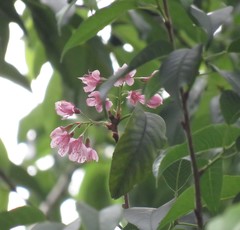 Prunus serrulata Japanese cherry Photo: CC BY, Juan Carlos Caicedo Hernández
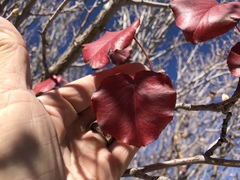 Pyrus calleryana Callery pear Photo: CC BY, CK2AZ
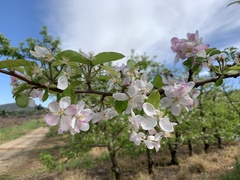 Malus domestica Apple Photo: CC BY, Dave Richardson
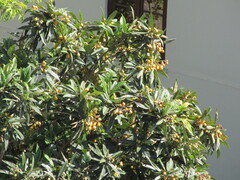 Eriobotrya japonica Photo: CC BY, zebedeugalinha
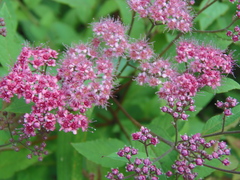 Spiraea japonica Japanese spiraea Photo: CC0, Ira Gershenhorn
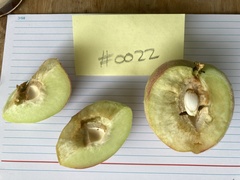 Prunus persica Peach Photo: CC BY, Danielle
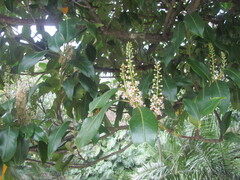 Prunus laurocerasus Cherry laurel Photo: CC BY, zebedeugalinha
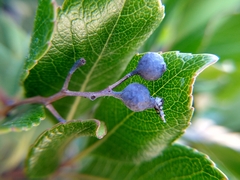 Rhaphiolepis indica India-hawthorn Photo: CC0, August Frisk
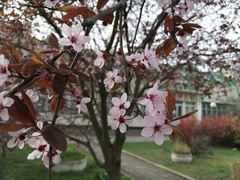 Prunus cerasifera Cherry plum Photo: CC BY, Roman A. Lagazyuk (Роман А. Лагазюк)
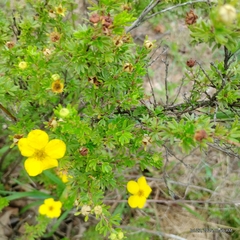 Dasiphora fruticosa Shrubby cinquefoil Photo: CC BY, Bryce
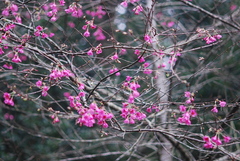 Prunus campanulata Formosan cherry Photo: CC BY, 胡正恆(Jackson Hu)
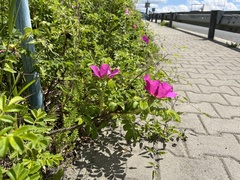 Rosa rugosa Japanese rose Photo: CC BY, Pavel Kacl
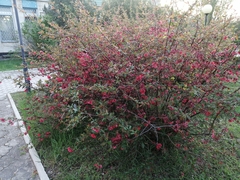 Chaenomeles speciosa Chinese quince Photo: CC BY, Roman A. Lagazyuk (Роман А. Лагазюк)
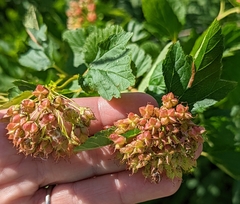 Physocarpus opulifolius Ninebark Photo: CC BY, Tom and T Herman
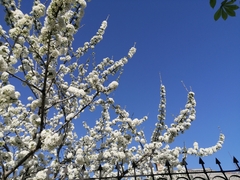 Prunus avium Wild cherry Photo: CC BY, Roman A. Lagazyuk (Роман А. Лагазюк)
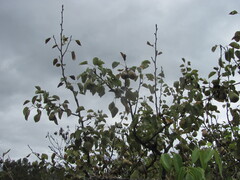 Pyrus communis Pear Photo: CC BY, zebedeugalinha
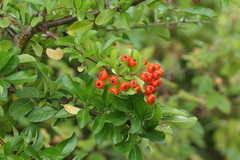 Pyracantha coccinea Firethorn Photo: CC BY, David Dyck
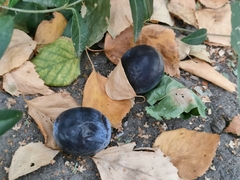 Prunus domestica European plum Photo: CC BY, mikami-kun
Fragaria × ananassa Garden strawberry Photo: CC BY-SA, guillaume guillaume
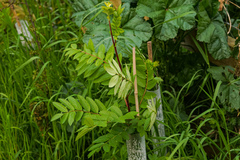 Sorbus aucuparia Rowan Photo: CC BY, Andrew Skotnicki
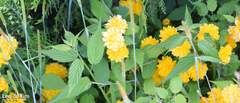 Kerria japonica Japanese rose Photo: CC BY, Kim, Hyun-tae
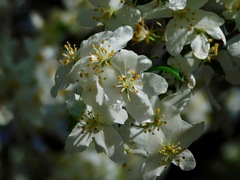 Malus baccata Siberian crab apple Photo: CC BY, Michael J. Papay
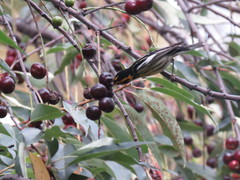 Prunus serotina Black cherry Photo: CC BY, Juan Carlos Caicedo Hernández
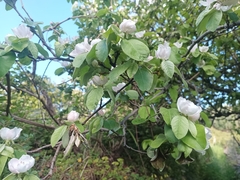 Cydonia oblonga Quince Photo: CC BY, Lorenzo Emanuele Labate
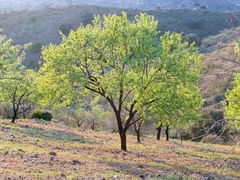 Prunus amygdalus Photo: CC BY-SA, Daniel Capilla
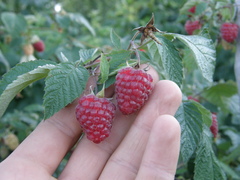 Rubus idaeus Raspberry Photo: CC BY, Oleksandr Shynder
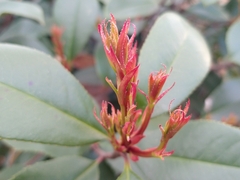 Photinia × fraseri Fraser's photinia Photo: CC0, August Frisk
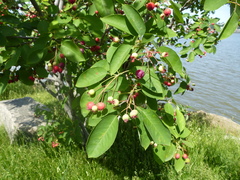 Amelanchier arborea Downy serviceberry Photo: CC0, Ira Gershenhorn
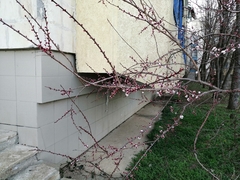 Prunus armeniaca Apricot Photo: CC BY, Roman A. Lagazyuk (Роман А. Лагазюк)
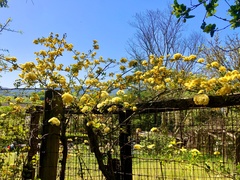 Rosa banksiae Banksian rose Photo: CC BY, Wendy Albrecht
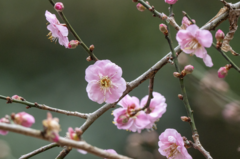 Prunus mume Japanese apricot Photo: CC BY, Andrew Lai
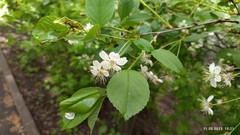 Prunus cerasus Sour cherry Photo: CC BY, Екатерина Гущина
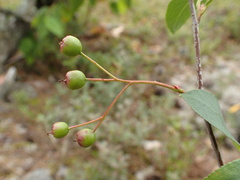 Aronia melanocarpa Black chokeberry Photo: CC0, Allan Harris
 Rosa luciae Memorial Rose Photo: CC BY-SA, Douglas Goldman
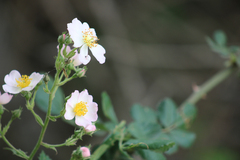 Rosa multiflora Multiflora rose Photo: CC BY-SA, Wendy St. John
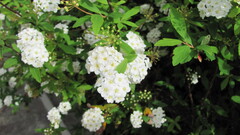 Spiraea cantoniensis Reeve's spiraea Photo: CC BY, zebedeugalinha
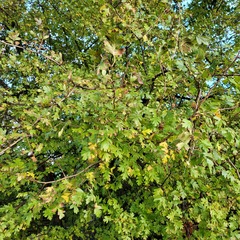 Crataegus monogyna Hawthorn Photo: CC BY-SA, Julia Palmer
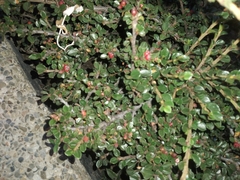 Cotoneaster horizontalis Wall cotoneaster Photo: CC0, Alfredo F. Fuentes Claros
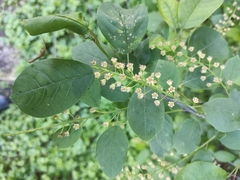 Prunus virginiana Chokecherry Photo: CC BY, iljar
 Cotoneaster acutifolius Peking cotoneaster Photo: CC BY, Oleksandr Shynder
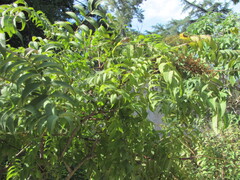 Sorbaria sorbifolia Sorbaria Photo: CC BY, zebedeugalinha
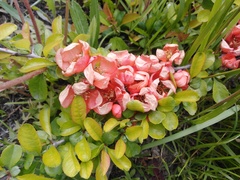 Chaenomeles japonica Japanese quince Photo: CC0, Татьяна Горбушина
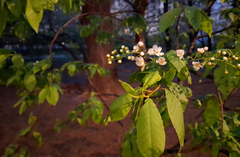 Prunus padus Bird cherry Photo: CC BY, Георгий Виноградов (Georgy Vinogradov)
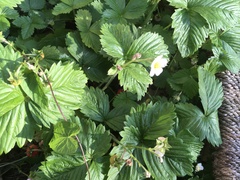 Fragaria vesca Wild strawberry Photo: CC0, Barbara Terhal
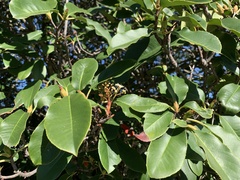 Photinia serratifolia Japanese photinia Photo: CC BY, Dave Richardson
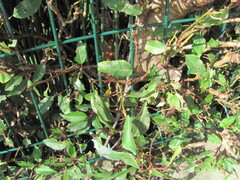 Prunus lusitanica Portugal laurel Photo: CC BY, zebedeugalinha
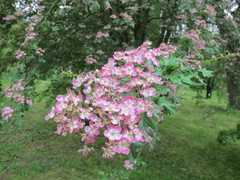 Crataegus laevigata Midland hawthorn Photo: CC BY-SA, Grzegorz Grzejszczak
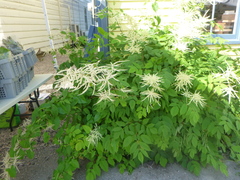 Aruncus dioicus Buck's-beard Photo: CC BY, Alexis Tinker-Tsavalas
Grown: iNaturalist's observations of the species marked captive or cultivated; "not counted" where the species list does not count it. Native ranges: Kew's World Checklist of Vascular Plants (Govaerts et al., CC BY 4.0), file of 4 June 2026. Grown: iNaturalist's observations marked captive or cultivated, counted 17 October 2026 (the species list's count). Habitat climate known: the species page has a habitat climate, read from CHELSA's monthly climate and NASA POWER's daily extremes at its well-placed wild records inside Kew's native range; each page says its own sources and days. Record low: the lowest night in NASA POWER's daily series at the habitat's typical spot, as the species page gives it, held in °C to a tenth and shown in your units; each page says its own years and day read. Counts as the reference built on 19 November 2026 holds them. The CSV holds every result, not only this page's.