Sporobolus
22 species in the reference · family Poaceae · 21 with a habitat climate · 22 grown, per iNaturalist
About the genus
Sporobolus is a nearly cosmopolitan genus of plants in the grass family. The name Sporobolus means "seed-thrower", and is derived from Ancient Greek word σπόρος (spóros), meaning "seed", and the root of βάλλειν (bállein) "to throw", referring to the dispersion of seeds. Members of the genus are usually called dropseeds or sacaton grasses. They are typical prairie and savanna plants, occurring in other types of open habitat in warmer climates. More on Wikipedia
Quoted from Wikipedia, "Sporobolus", its opening paragraph, revision 1383252863, read 2026-11-08, CC BY-SA 4.0.
Where Sporobolus is native
| Texas | 13 |
|---|---|
| Florida | 10 |
| Georgia | 10 |
| Louisiana | 10 |
| Mexico Northeast | 10 |
| North Carolina | 10 |
| South Carolina | 10 |
| Virginia | 10 |
| Mississippi | 9 |
| New York | 9 |
| Alabama | 8 |
| Connecticut | 7 |
Species native to each region. A species counts in every region it is native to. Native ranges: Kew's World Checklist of Vascular Plants (Govaerts et al., CC BY 4.0), file of 4 June 2026.
22 species
Sporobolus
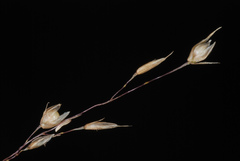 Sporobolus heterolepis Prairie dropseed Photo: CC BY-SA, Douglas Goldman
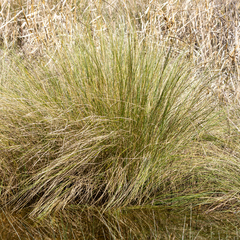 Sporobolus bakeri Sand Cordgrass Photo: CC BY, Dan Vickers
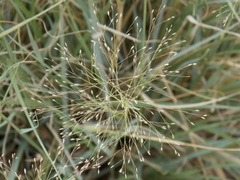 Sporobolus airoides Alkali sacaton Photo: CC BY-SA, Eliseo D Moreno
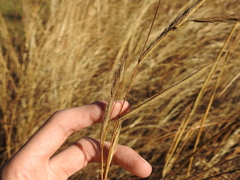 Sporobolus michauxianus Prairie cordgrass Photo: CC0, Yann Kemper
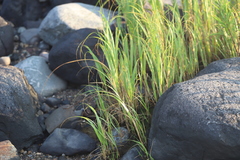 Sporobolus alterniflorus Smooth Cord-grass Photo: CC BY, Steven Bodzin
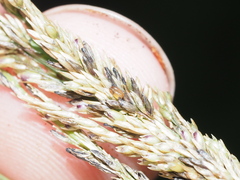 Sporobolus indicus Smut grass Photo: CC BY, Kevin Faccenda
 Sporobolus wrightii Big alkali sacaton Photo: CC BY, CK2AZ
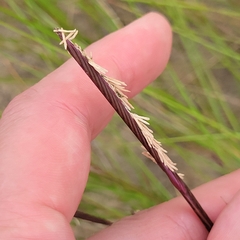 Sporobolus pumilus Saltmeadow cordgrass Photo: CC BY, Matt Pelikan
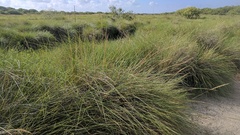 Sporobolus spartinae Gulf Cordgrass Photo: CC BY, Justin Quintanilla
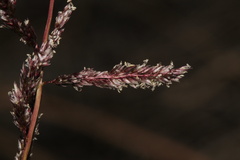 Sporobolus cryptandrus Sand dropseed Photo: CC BY, Austin Saunders
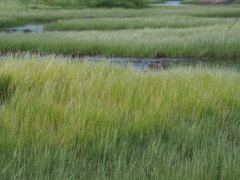 Sporobolus virginicus Seashore dropseed Photo: CC0, 葉子
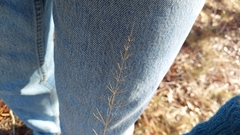 Sporobolus junceus Lizard Grass Photo: CC BY, Athena Philips
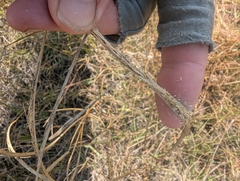 Sporobolus compositus Rough dropseed Photo: CC BY, Jeff Hansen
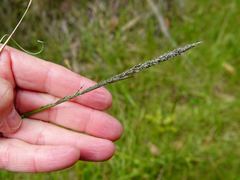 Sporobolus africanus African Dropseed Photo: CC BY, Jacqui Geux
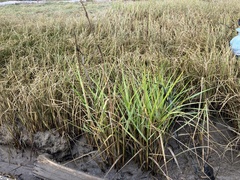 Sporobolus anglicus English cordgrass Photo: CC0, Shaheen Page
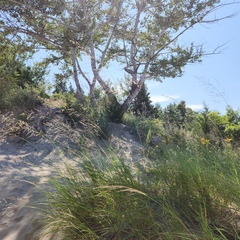 Sporobolus rigidus Prairie sandreed Photo: CC BY, Patrick Jackson
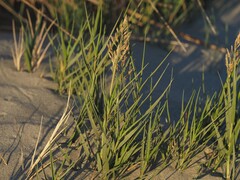 Sporobolus pungens Sand dropseed Photo: CC BY, Louis Aureglia
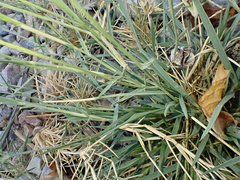 Sporobolus spicatus Salt grass Photo: CC0, Jean-Paul Boerekamps
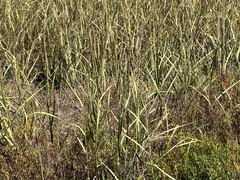 Sporobolus foliosus California Cord Grass Photo: CC BY, Eric Alan Isaacson
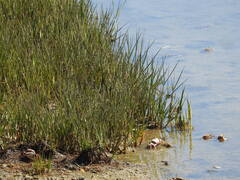 Sporobolus maritimus Small Cord-grass Photo: CC BY, Duarte Frade
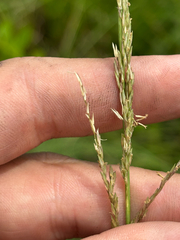 Sporobolus vaseyi Florida Sandreed Photo: CC0, Tyler Radtke
 Sporobolus cynosuroides Big Cordgrass Photo: CC BY, Bonnie Semmling
Grown: iNaturalist's observations of the species marked captive or cultivated; "not counted" where the species list does not count it. Native ranges: Kew's World Checklist of Vascular Plants (Govaerts et al., CC BY 4.0), file of 4 June 2026. Grown: iNaturalist's observations marked captive or cultivated, counted 17 October 2026 (the species list's count). Habitat climate known: the species page has a habitat climate, read from CHELSA's monthly climate and NASA POWER's daily extremes at its well-placed wild records inside Kew's native range; each page says its own sources and days. Record low: the lowest night in NASA POWER's daily series at the habitat's typical spot, as the species page gives it, held in °C to a tenth and shown in your units; each page says its own years and day read. Counts as the reference built on 19 November 2026 holds them. The CSV holds every result, not only this page's.