Thymus
44 species in the reference · family Lamiaceae · 40 with a habitat climate · 43 grown, per iNaturalist, 1 not counted
About the genus
The thymus (pl.: thymuses or thymi) is a specialized primary lymphoid organ of the immune system. Within the thymus, T cells mature. T cells are critical to the adaptive immune system, where the body adapts to specific foreign invaders. The thymus is located in the upper front part of the chest, in the anterior superior mediastinum, behind the sternum, and in front of the heart. More on Wikipedia
Quoted from Wikipedia, "Thymus", its opening paragraph, revision 1382487861, read 2026-11-08, CC BY-SA 4.0.
Where Thymus is native
| Spain | 15 |
|---|---|
| Romania | 10 |
| Yugoslavia | 10 |
| Bulgaria | 9 |
| France | 9 |
| Italy | 8 |
| Poland | 8 |
| Portugal | 8 |
| Turkey | 8 |
| Ukraine | 8 |
| Albania | 7 |
| Austria | 7 |
Species native to each region. A species counts in every region it is native to. Native ranges: Kew's World Checklist of Vascular Plants (Govaerts et al., CC BY 4.0), file of 4 June 2026.
44 species
Thymus
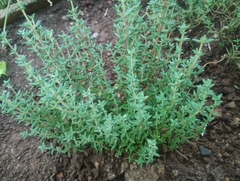 Thymus vulgaris Garden thyme Photo: CC BY, The Great Walter
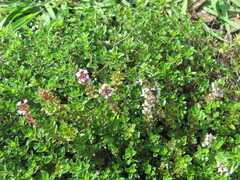 Thymus pulegioides Large thyme Photo: CC BY, zebedeugalinha
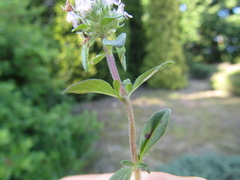 Thymus serpyllum Breckland thyme Photo: CC BY, Oleksandr Shynder
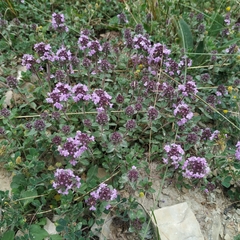 Thymus praecox Mother of thyme Photo: CC BY, Angelika Baumann
 Thymus × citriodorus Lemon thyme Photo: CC BY, Justin Flint
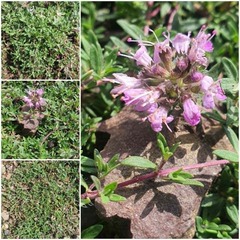 Thymus mongolicus Photo: CC BY, Urgamal Magsar
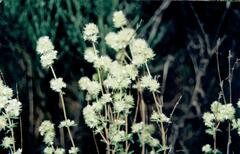 Thymus mastichina Spanish marjoram Photo: CC BY, zebedeugalinha
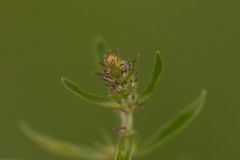 Thymus pannonicus Eurasian thyme Photo: CC BY, Вячеслав Юсупов
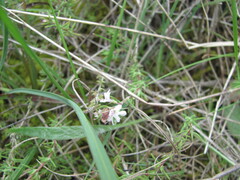 Thymus zygis Spanish thyme Photo: CC BY, zebedeugalinha
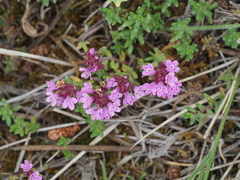 Thymus longicaulis Mediterranean creeping thyme Photo: CC BY, Óscar Sampedro
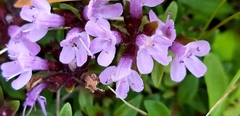 Thymus quinquecostatus Five-rib thyme Photo: CC BY, florawhite
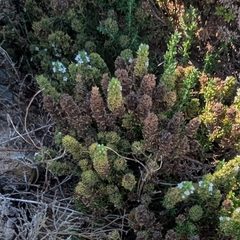 Thymus carnosus Portuguese Thyme Photo: CC BY, Dmitry Trutsko
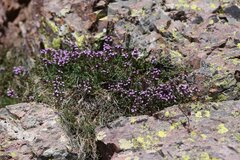 Thymus herba-barona Caraway thyme Photo: CC BY, Flavien Saboureau
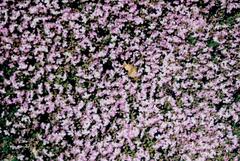 Thymus caespititius Azores thyme Photo: CC BY, zebedeugalinha
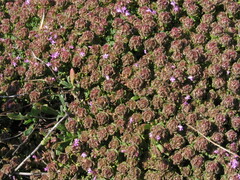 Thymus camphoratus Camphor Thyme Photo: CC BY, zebedeugalinha
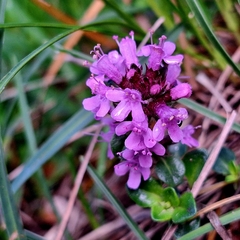 Thymus alpestris Wild Thyme Photo: CC BY, Marek Hrušovský
 Thymus baeticus Spanish Lemon Thyme Photo: CC BY-SA, Krzysztof Ziarnek, Kenraiz
 Thymus leucotrichus Photo: CC BY-SA, Ghislain118 (AD)…
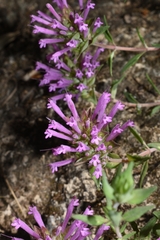 Thymus longiflorus Photo: CC0, Yamil J.R
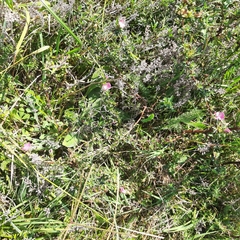 Thymus kosteleckyanus Photo: CC BY, Michael Grundner
- no open photograph on file Thymus altaicus
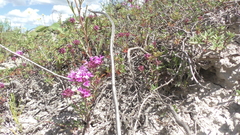 Thymus calcareus Photo: CC BY, Елена Патерикина
 Thymus doerfleri Photo: CC BY-SA, Olaf Leillinger
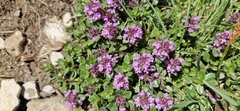 Thymus pulcherrimus Photo: CC BY, Jens-Christian Svenning
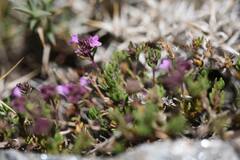 Thymus serpylloides Photo: CC BY, Flavien Saboureau
 Thymus sibthorpii Photo: Public domain, Daderot
- no open photograph on file Thymus sipyleus
 Thymus talijevii Photo: CC BY, Анна Митрошенкова
 Thymus comosus Photo: CC BY-SA, Ghislain118 (AD)…
- no open photograph on file Thymus daghestanicus
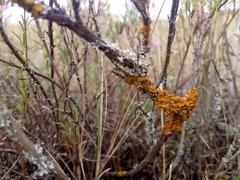 Thymus pallasianus Pallas' Thyme Photo: CC0, Svitlana Kyiak
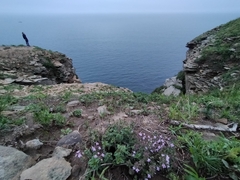 Thymus semiglaber Photo: CC0, Viola Alekseeva
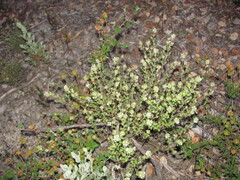 Thymus capitellatus Photo: CC BY, zebedeugalinha
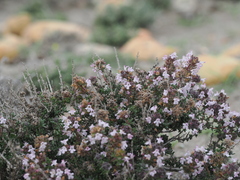 Thymus hyemalis Hyemalis thyme Photo: CC BY, Augustin Soulard
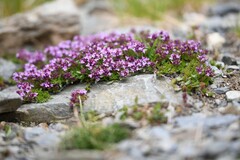 Thymus nervosus Photo: CC BY, Flavien Saboureau
- no open photograph on file Thymus nitens
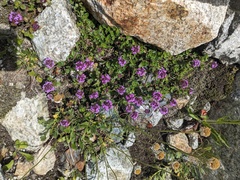 Thymus nummularius Photo: CC BY, Yuri Sofronov
- no open photograph on file Thymus richardii
 Thymus argaeus Photo: CC0, dbgi
 Thymus glabrescens Photo: CC BY-SA, Lis Burke
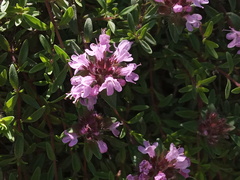 Thymus linearis Photo: CC BY, Sagnik Dutta Roy
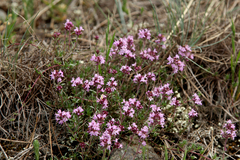 Thymus striatus Photo: CC BY, Gianmaria Bonari
 Thymus tiflisiensis Photo: CC BY-SA, Krzysztof Ziarnek, Kenraiz
- no open photograph on file Thymus brachychilus
Grown: iNaturalist's observations of the species marked captive or cultivated; "not counted" where the species list does not count it. Native ranges: Kew's World Checklist of Vascular Plants (Govaerts et al., CC BY 4.0), file of 4 June 2026. Grown: iNaturalist's observations marked captive or cultivated, counted 17 October 2026 (the species list's count). Habitat climate known: the species page has a habitat climate, read from CHELSA's monthly climate and NASA POWER's daily extremes at its well-placed wild records inside Kew's native range; each page says its own sources and days. Record low: the lowest night in NASA POWER's daily series at the habitat's typical spot, as the species page gives it, held in °C to a tenth and shown in your units; each page says its own years and day read. Counts as the reference built on 19 November 2026 holds them. The CSV holds every result, not only this page's.