Labrador
TDWG level-3 region LAB
| Species native here | 489 |
|---|---|
| Native nowhere else | 0 |
| With a habitat climate | 489 |
| Grown, per iNaturalist | 447 (42 not counted) |
| Genera, families | 246, 79 |
Beside it in Eastern Canada: New Brunswick 883Newfoundland 690Nova Scotia 859Ontario 1,593Prince Edward I. 581Québec 1,325
Next door: Québec 1,325Nunavut 362
Regions: TDWG's World Geographical Scheme for Recording Plant Distributions, 2nd edition (Brummitt 2001); countries' regions as round eighty's shapes assign Natural Earth's states and provinces (public domain). Next door: regions whose outlines touch, read from those shapes (TDWG's own tables give no neighbours).
489 species
Species native to Labrador
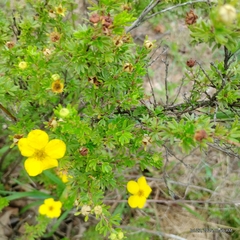 Dasiphora fruticosa Shrubby cinquefoil Photo: CC BY, Bryce
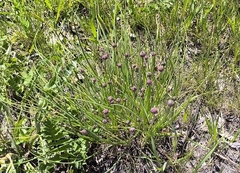 Allium schoenoprasum Chives Photo: CC BY, Yurii Basov
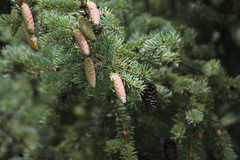 Picea laxa Photo: CC0, Chelsea
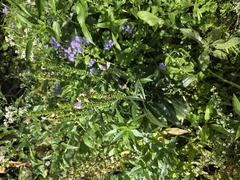 Physostegia virginiana Obedient plant Photo: CC BY, Brian Magurn
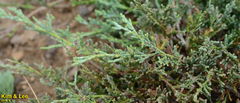 Juniperus horizontalis Creeping juniper Photo: CC BY, Kim, Hyun-tae
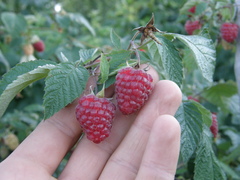 Rubus idaeus Raspberry Photo: CC BY, Oleksandr Shynder
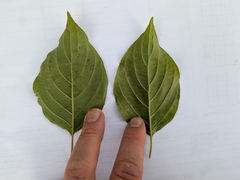 Cornus sericea Red-osier dogwood Photo: CC BY, Jeff Hansen
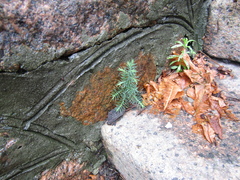 Juniperus communis Common juniper Photo: CC BY, Oleksandr Shynder
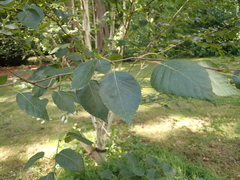 Betula papyrifera Paper birch Photo: CC BY, Alexis Tinker-Tsavalas
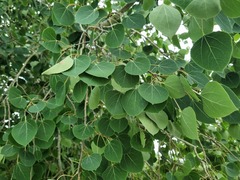 Populus tremuloides Quaking aspen Photo: CC BY, Cesar Ormazabal
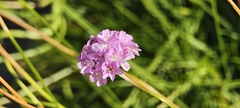 Armeria maritima Thrift Photo: CC BY, Michel Langeveld
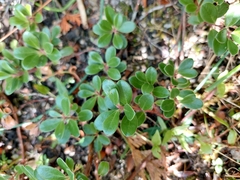 Arctostaphylos uva-ursi Bearberry Photo: CC BY, J V
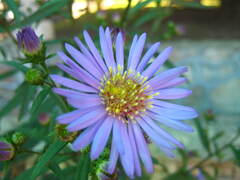 Symphyotrichum novi-belgii Confused Michaelmas daisy Photo: CC BY, Jorge Armín Escalante-Pasos
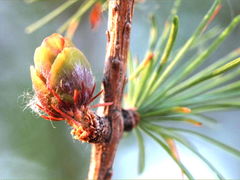 Larix laricina American larch Photo: CC BY, Peter Chen 2.0
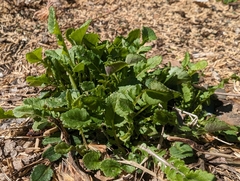 Packera aurea Golden ragwort Photo: CC BY, Nelson Chu Pavlosky
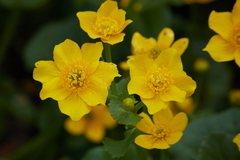 Caltha palustris Marsh-marigold Photo: CC0, Lauren N
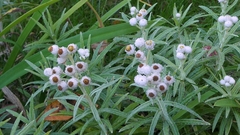 Anaphalis margaritacea Pearly everlasting Photo: CC0, Patrick Le Mao
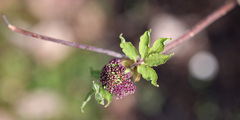 Sambucus racemosa Red-berried elder Photo: CC BY, Randy A Nonenmacher
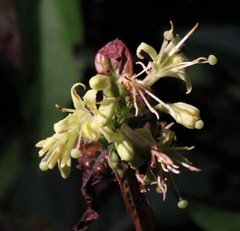 Diervilla lonicera Northern bush-honeysuckle Photo: CC BY, Michael, Antoni and Nihat Hinczewski
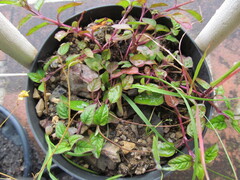 Prunella vulgaris Selfheal Photo: CC BY, zebedeugalinha
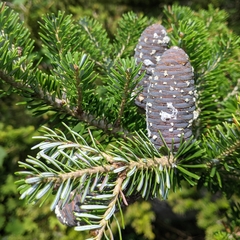 Abies balsamea Balsam fir Photo: CC0, cgmayers
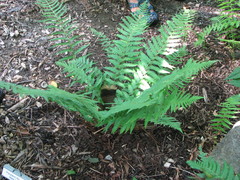 Dryopteris filix-mas Male fern Photo: CC BY-SA, Chris Hoess
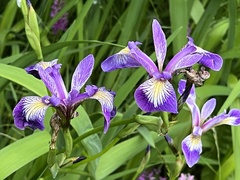 Iris versicolor Purple iris Photo: CC BY, Cindy Bell
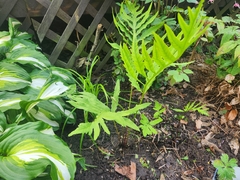 Onoclea sensibilis Sensitive fern Photo: CC BY, Jessica Williams
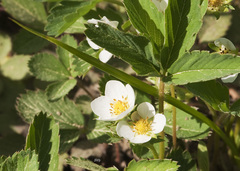 Fragaria virginiana Virginia strawberry Photo: CC BY, Seig
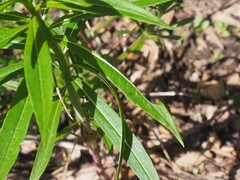 Epilobium angustifolium Fireweed Photo: CC0, anthocyana
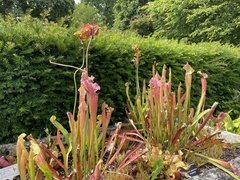 Sarracenia purpurea Pitcher Plant Photo: CC BY, B Jaeger-Stanley
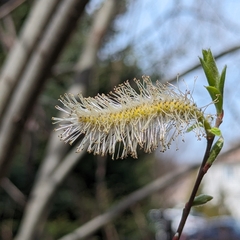 Salix discolor Glaucous willow Photo: CC BY, Kailey Alderfer
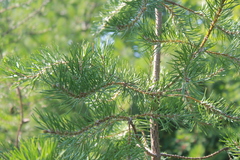 Pinus banksiana Jack pine Photo: CC BY, Quinten Wiegersma
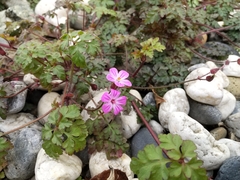 Geranium robertianum Herb-Robert Photo: CC BY, Dan Killam
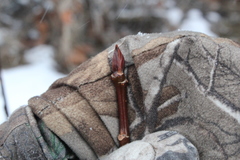 Populus balsamifera Balsam poplar Photo: CC BY, Quinten Wiegersma
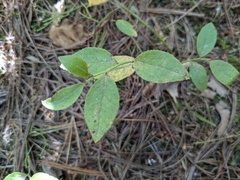 Vaccinium angustifolium Lowbush blueberry Photo: CC BY, feralist
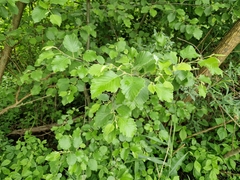 Alnus incana Grey alder Photo: CC BY, Jens-Christian Svenning
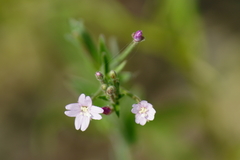 Epilobium ciliatum American willowherb Photo: CC BY-SA, psweet
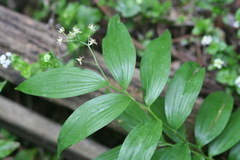 Maianthemum stellatum Little false Solomon's-seal Photo: CC BY, runcator
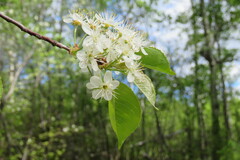 Prunus pensylvanica Pin cherry Photo: CC0, dghjertaas
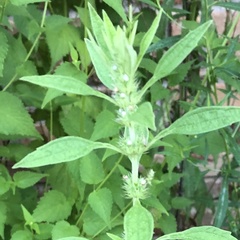 Mentha canadensis American corn mint Photo: CC BY-SA, Elizabeth
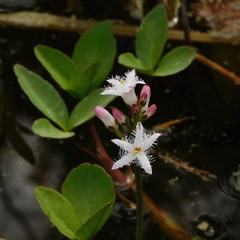 Menyanthes trifoliata Bogbean Photo: CC BY, Michael J. Papay
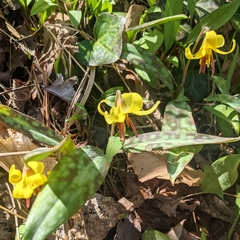 Erythronium americanum Trout-lily Photo: CC BY, C Fishtahler
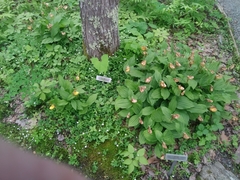 Cypripedium parviflorum Lesser yellow lady's slipper Photo: CC BY-SA, Chris Hoess
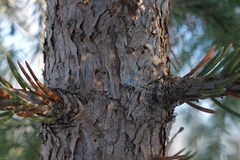 Picea mariana Bog spruce Photo: CC BY, Loïc Mathieu
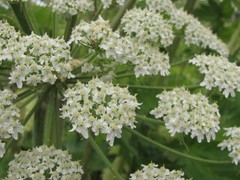 Heracleum maximum Cow parsnip Photo: CC BY, Gail A Baker
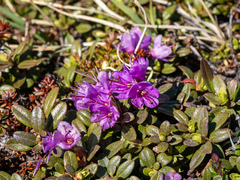 Rhododendron lapponicum Lapland rosebay Photo: CC BY, Piotr Lukasik
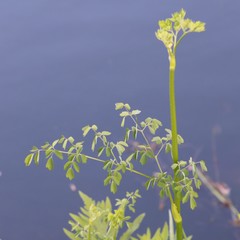 Thalictrum pubescens King of the meadow Photo: CC BY, Mark Apgar
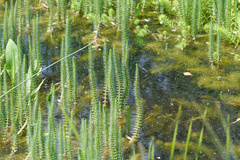 Hippuris vulgaris Mare's-tail Photo: CC BY, Donald Davesne
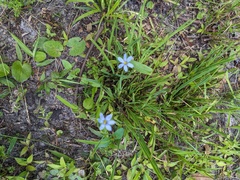 Sisyrinchium angustifolium Narrow-leaf blue-eyed-grass Photo: CC0, Nonbinary-Naturalist
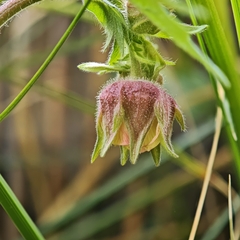 Geum rivale Water avens Photo: CC BY, Evelyn Gussmann
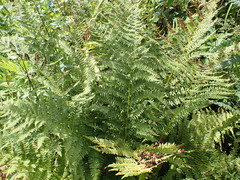 Athyrium angustum Subarctic lady fern Photo: CC BY, Steven Lamonde
Grown: iNaturalist's observations of the species marked captive or cultivated; "not counted" where the species list does not count it. Native ranges: Kew's World Checklist of Vascular Plants (Govaerts et al., CC BY 4.0), file of 4 June 2026. Grown: iNaturalist's observations marked captive or cultivated, counted 17 October 2026 (the species list's count). Habitat climate known: the species page has a habitat climate, read from CHELSA's monthly climate and NASA POWER's daily extremes at its well-placed wild records inside Kew's native range; each page says its own sources and days. Record low: the lowest night in NASA POWER's daily series at the habitat's typical spot, as the species page gives it, held in °C to a tenth and shown in your units; each page says its own years and day read. Counts as the reference built on 19 November 2026 holds them. The CSV holds every result, not only this page's.