Northwestern U.S.A.
TDWG region 73, 6 level-3 regions
| Species native here | 2,614 |
|---|---|
| Native nowhere else | 111 |
| With a habitat climate | 2,593 |
| Grown, per iNaturalist | 2,472 (142 not counted) |
| Genera, families | 757, 132 |
In it: Colorado 1,455Idaho 1,277Montana 1,312Oregon 1,745Washington 1,485Wyoming 1,275
Beside it in Northern America: Eastern Canada 1,742Mexico 6,607North-Central U.S.A. 2,748Northeastern U.S.A. 2,333South-Central U.S.A. 3,356Southeastern U.S.A. 3,370Southwestern U.S.A. 3,519Subarctic America 995Western Canada 1,800
Next door: California 2,597New Mexico 1,826Arizona 1,798Oklahoma 1,670British Columbia 1,457Utah 1,409Nevada 1,323Kansas 1,292Nebraska 1,112Alberta 1,078South Dakota 1,072Saskatchewan 895North Dakota 853
Regions: TDWG's World Geographical Scheme for Recording Plant Distributions, 2nd edition (Brummitt 2001); countries' regions as round eighty's shapes assign Natural Earth's states and provinces (public domain). Next door: regions whose outlines touch, read from those shapes (TDWG's own tables give no neighbours).
2,614 species
Species native to Northwestern U.S.A.
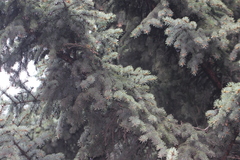 Picea pungens Colorado spruce Photo: CC BY, Татьяна Максимова
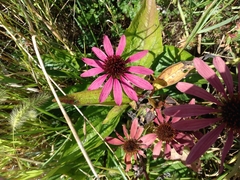 Echinacea purpurea Eastern purple coneflower Photo: CC0, juniem
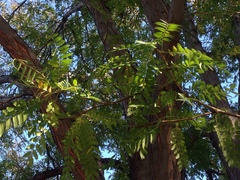 Gleditsia triacanthos Honey-locust Photo: CC0, Aaron Sidder
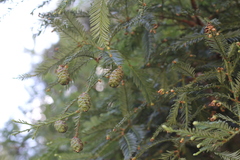 Sequoia sempervirens Coastal redwood Photo: CC BY, Romi Galeota Lencina
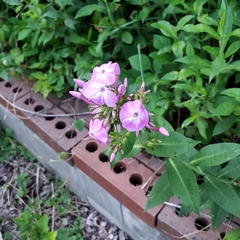 Phlox paniculata Fall phlox Photo: CC BY, Dawn
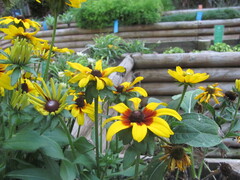 Rudbeckia hirta Black-eyed Susan Photo: CC BY, zebedeugalinha
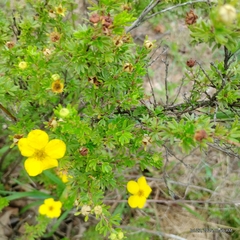 Dasiphora fruticosa Shrubby cinquefoil Photo: CC BY, Bryce
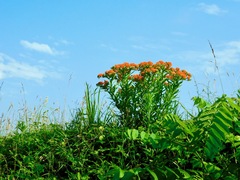 Asclepias tuberosa Butterfly milkweed Photo: CC BY, Michael J. Papay
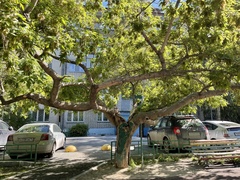 Acer negundo Box-elder Photo: CC BY, Алёна Осипова
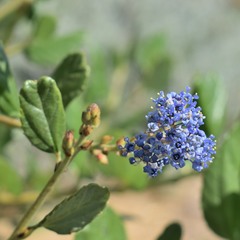 Ceanothus thyrsiflorus Blue blossom ceanothus Photo: CC0, Anne Parsons
 Berberis aquifolium Oregon-grape Photo: CC0, Sean Haight
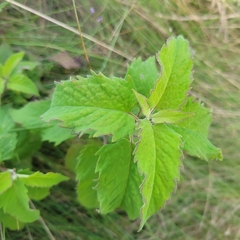 Monarda fistulosa Wild bergamot Photo: CC BY, Veronica Jendrick
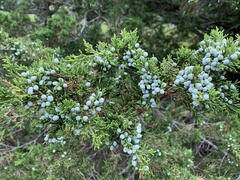 Juniperus virginiana Eastern red-cedar Photo: CC BY, Juvia Heuchert
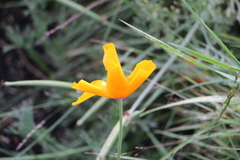 Eschscholzia californica California poppy Photo: CC BY, Andrés Ramírez-Barrera
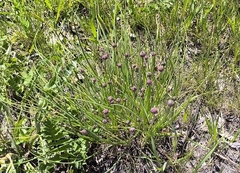 Allium schoenoprasum Chives Photo: CC BY, Yurii Basov
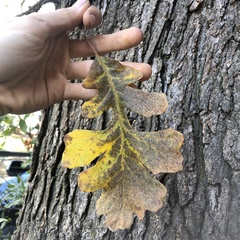 Quercus macrocarpa Bur oak Photo: CC BY, Andrew Conboy
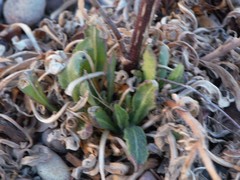 Gaillardia pulchella Firewheel Photo: CC BY, Elliott Gordon
Fragaria × ananassa Garden strawberry Photo: CC BY-SA, guillaume guillaume
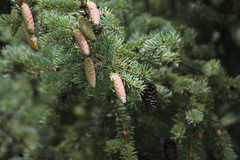 Picea laxa Photo: CC0, Chelsea
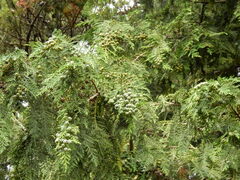 Chamaecyparis lawsoniana Lawson's cypress Photo: CC BY, Ed Alverson
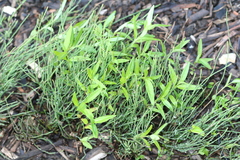 Asclepias incarnata Swamp milkweed Photo: CC BY, Randy A Nonenmacher
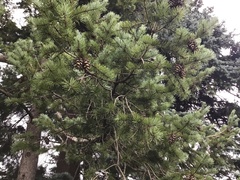 Pseudotsuga menziesii Douglas fir Photo: CC0, Leanne Pearson
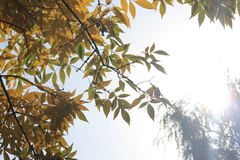 Fraxinus pennsylvanica Green ash Photo: CC0, KsenoSnake
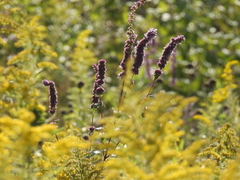 Agastache foeniculum Blue giant-hyssop Photo: CC BY, Liren Varghese
 Symphoricarpos albus Common Snowberry Photo: CC0, Älven
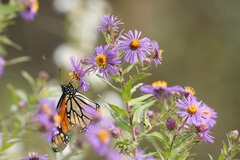 Symphyotrichum novae-angliae Hairy Michaelmas daisy Photo: CC0, Glenn Berry
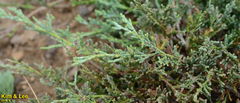 Juniperus horizontalis Creeping juniper Photo: CC BY, Kim, Hyun-tae
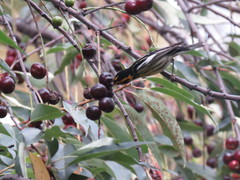 Prunus serotina Black cherry Photo: CC BY, Juan Carlos Caicedo Hernández
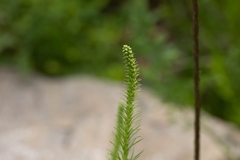 Liatris spicata Dense blazing star Photo: CC BY, Kalvin Chan
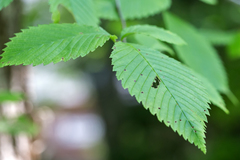 Ulmus americana American elm Photo: CC BY, Bill Keim
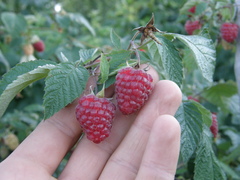 Rubus idaeus Raspberry Photo: CC BY, Oleksandr Shynder
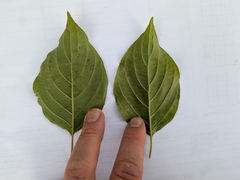 Cornus sericea Red-osier dogwood Photo: CC BY, Jeff Hansen
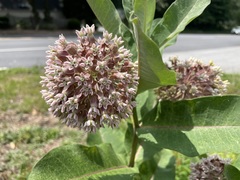 Asclepias syriaca Common milkweed Photo: CC BY-SA, lejones417
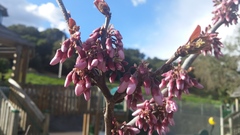 Cercis occidentalis California redbud Photo: CC BY, Jeremiah Degenhardt
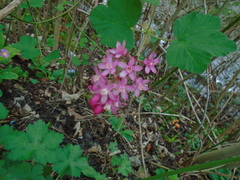 Ribes sanguineum Flowering currant Photo: CC BY, Lesley Marrion-Cole
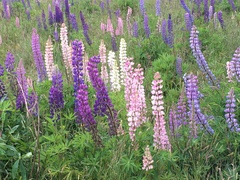 Lupinus polyphyllus Garden lupin Photo: CC BY, Henrik Kibak
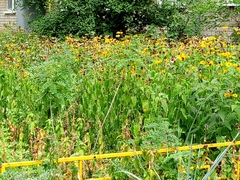 Heliopsis helianthoides Rough oxeye Photo: CC0, Татьяна Горбушина
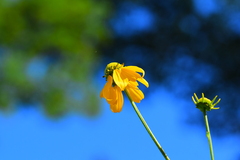 Rudbeckia laciniata Coneflower Photo: CC BY, Bernie Paquette
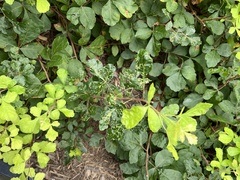 Rhus aromatica Fragrant sumac Photo: CC BY, Frederick Nunley
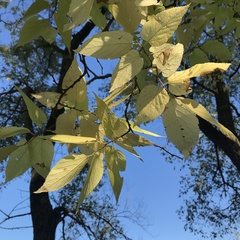 Celtis occidentalis Hackberry Photo: CC BY, Mical
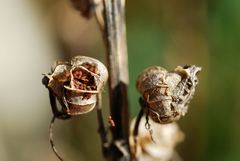 Lobelia cardinalis Cardinal-flower Photo: CC BY-SA, Douglas Goldman
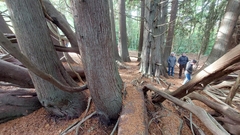 Thuja plicata Western red-cedar Photo: CC BY, Sylvain Montagner
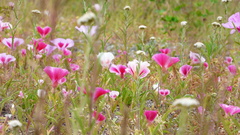 Clarkia amoena Godetia Photo: CC BY, DeeF
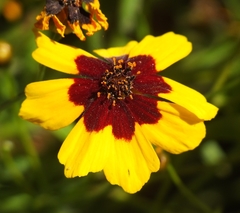 Coreopsis tinctoria Garden tickseed Photo: CC BY, Иван Пристрем
 Juniperus communis Common juniper Photo: CC BY, Oleksandr Shynder
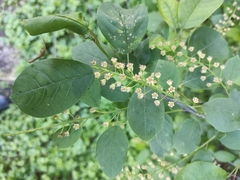 Prunus virginiana Chokecherry Photo: CC BY, iljar
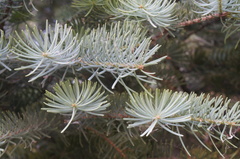 Abies concolor Colorado white-fir Photo: CC0, Henggang Cui
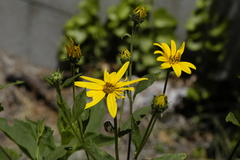 Helianthus tuberosus Jerusalem artichoke Photo: CC BY, Elliott Gordon
Grown: iNaturalist's observations of the species marked captive or cultivated; "not counted" where the species list does not count it. Native ranges: Kew's World Checklist of Vascular Plants (Govaerts et al., CC BY 4.0), file of 4 June 2026. Grown: iNaturalist's observations marked captive or cultivated, counted 17 October 2026 (the species list's count). Habitat climate known: the species page has a habitat climate, read from CHELSA's monthly climate and NASA POWER's daily extremes at its well-placed wild records inside Kew's native range; each page says its own sources and days. Record low: the lowest night in NASA POWER's daily series at the habitat's typical spot, as the species page gives it, held in °C to a tenth and shown in your units; each page says its own years and day read. Counts as the reference built on 19 November 2026 holds them. The CSV holds every result, not only this page's.