Dianthus
95 species in the reference · family Caryophyllaceae · 79 with a habitat climate · 77 grown, per iNaturalist, 18 not counted
About the genus
Dianthus ( dy-AN-thəs) is a genus of about 340 species of flowering plants in the family Caryophyllaceae, native mainly to Europe and Asia, with a few species in northern and southern Africa, and one species (D. repens) in arctic North America. A least two species are introduced in North America: Dianthus armeria and Dianthus deltoides. Common names include carnation (D. caryophyllus), pink (D. plumarius and related species), and sweet william (D. barbatus).
Quoted from Wikipedia, "Dianthus", its opening paragraph, revision 1373032627, read 2026-11-08, CC BY-SA 4.0.
Where Dianthus is native
| Yugoslavia | 32 |
|---|---|
| Romania | 22 |
| Greece | 21 |
| Bulgaria | 19 |
| Turkey | 19 |
| Ukraine | 19 |
| Albania | 18 |
| France | 18 |
| Italy | 17 |
| Austria | 16 |
| Spain | 16 |
| North Caucasus | 15 |
Species native to each region. A species counts in every region it is native to. Native ranges: Kew's World Checklist of Vascular Plants (Govaerts et al., CC BY 4.0), file of 4 June 2026.
95 species
Dianthus
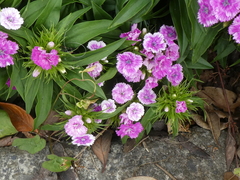 Dianthus barbatus Sweet-William Photo: CC BY, Doug Miller
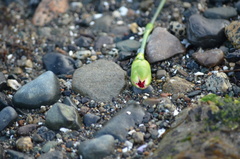 Dianthus caryophyllus Clove pink Photo: CC BY, Liam Steele
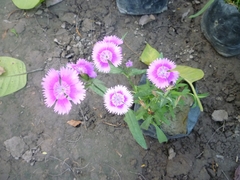 Dianthus chinensis Rainbow pink Photo: CC BY, Mitul and Vijul Singh
 Dianthus gratianopolitanus Cheddar pink Photo: CC BY, Kaden Slone
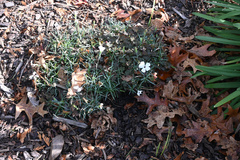 Dianthus plumarius Pink Photo: CC BY, Jon Sullivan
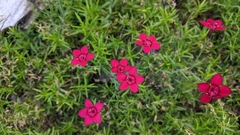 Dianthus deltoides Maiden pink Photo: CC0, Philipp
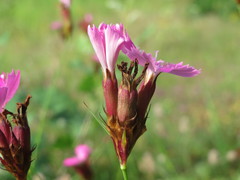 Dianthus carthusianorum Carthusian pink Photo: CC BY-SA, Andreas Rockstein
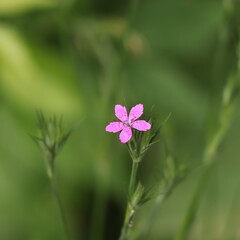 Dianthus armeria Deptford pink Photo: CC BY, Mark Apgar
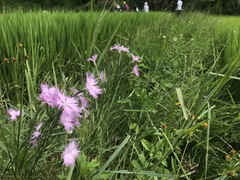 Dianthus superbus Large Pink Photo: CC BY, Weiting Liu
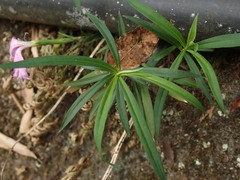 Dianthus palinensis Photo: CC BY, chiuluan
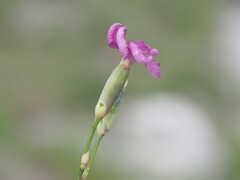 Dianthus sylvestris Woodland pink Photo: CC BY, Louis Aureglia
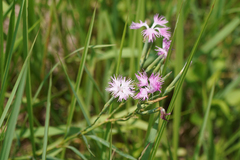 Dianthus longicalyx Long-calyx pink Photo: CC BY, WATANABE Hitoshi 渡辺仁
 Dianthus balbisii Balbis' Pink Photo: CC BY-SA, Fabien Piednoir
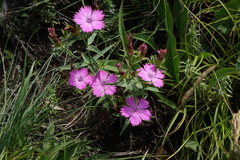 Dianthus caucaseus Photo: CC BY, Oleg Kosterin
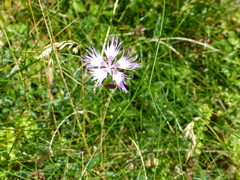 Dianthus hyssopifolius Fringed Pink Photo: CC BY, Charlène Selva
 Dianthus seguieri Ragged pink Photo: CC BY, Nico Hernandez
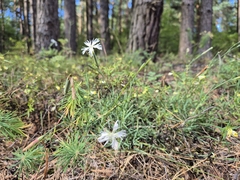 Dianthus arenarius Stone pink Photo: CC BY, Bobo-X
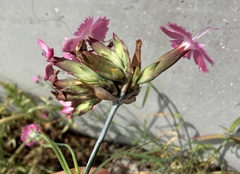 Dianthus giganteus Giant Pink Photo: CC BY, Katrin Simon
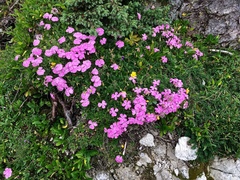 Dianthus alpinus Photo: CC BY, Karsten Rohweder
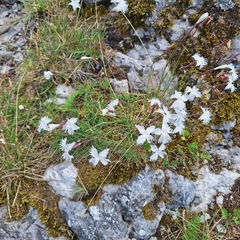 Dianthus praecox Photo: CC BY, Marek Hrušovský
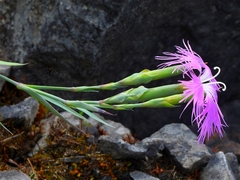 Dianthus seisuimontanus Photo: CC BY, Jacy Chen
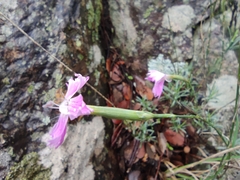 Dianthus lusitanus Photo: CC BY, Santiago Martín-Bravo
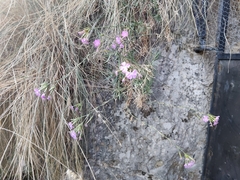 Dianthus rupicola Photo: CC BY, Riccardo Rocca
- no open photograph on file Dianthus angrenicus
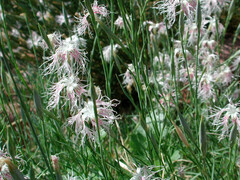 Dianthus broteri Brotero's Pink Photo: CC BY, Katja Schulz
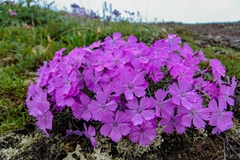 Dianthus repens Northern pink Photo: CC BY, Лия
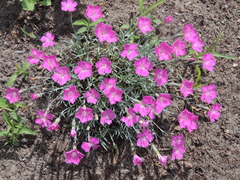 Dianthus hypanicus Photo: CC BY, Oleksandr Shynder
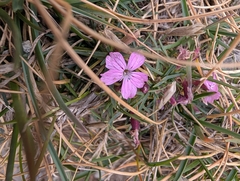 Dianthus microlepis Photo: CC BY, Marios Thoma
 Dianthus pyrenaicus Pyrenean Pink Photo: CC BY, Yves Bas
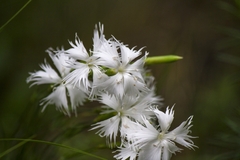 Dianthus acicularis Photo: CC BY, Евгений Маринкин
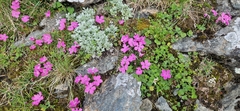 Dianthus glacialis Photo: CC BY, Jens-Christian Svenning
 Dianthus knappii Photo: CC BY-SA, KENPEI
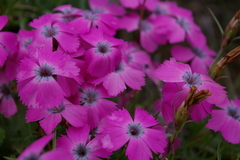 Dianthus pavonius Peacock-eye Pink Photo: CC BY, Antoine Guiguet
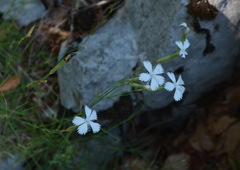 Dianthus petraeus Photo: CC BY, Kerstin Reifenrath
 Dianthus serotinus Photo: CC BY, Patrick Hacker
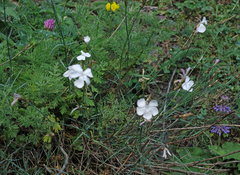 Dianthus cretaceus Photo: CC BY, Oleg Kosterin
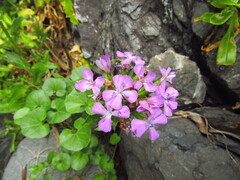 Dianthus japonicus Seashore pink Photo: CC BY, Samuele Papeschi
 Dianthus juniperinus Photo: CC BY-SA, ΓΙΑΝΝΗΣ ΖΑΧΑΡΑΚΗΣ
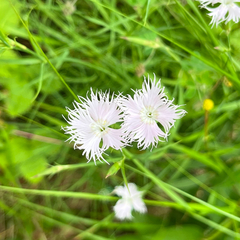 Dianthus monspessulanus Fringed Pink Photo: CC0, Hubert Sztyler
 Dianthus sternbergii Sternberg's Pink Photo: CC BY, Christian Berg
- no open photograph on file Dianthus anticarius Andalusian Pink
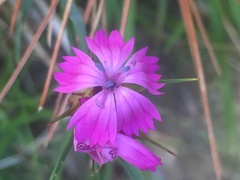 Dianthus capitatus Photo: CC BY, Максим Шумских
 Dianthus laricifolius Photo: CC0, José Luis Camaño
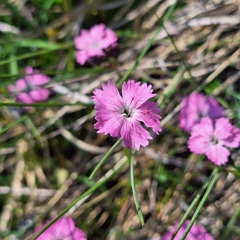 Dianthus nitidus Carpathian Glossy Pink Photo: CC BY, Marek Hrušovský
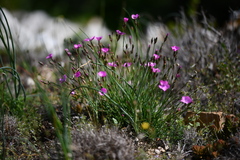 Dianthus pungens Photo: CC BY, Flavien Saboureau
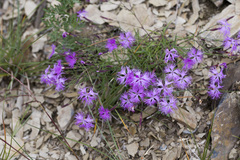 Dianthus pygmaeus Photo: CC BY, Licheng Shih
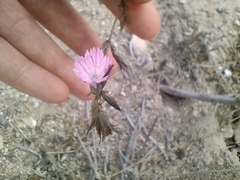 Dianthus strictus Photo: CC BY, Robert Martin
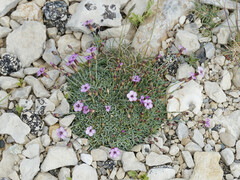 Dianthus subacaulis Short Pink Photo: CC0, Thierry Arbault
Grown: iNaturalist's observations of the species marked captive or cultivated; "not counted" where the species list does not count it. Native ranges: Kew's World Checklist of Vascular Plants (Govaerts et al., CC BY 4.0), file of 4 June 2026. Grown: iNaturalist's observations marked captive or cultivated, counted 17 October 2026 (the species list's count). Habitat climate known: the species page has a habitat climate, read from CHELSA's monthly climate and NASA POWER's daily extremes at its well-placed wild records inside Kew's native range; each page says its own sources and days. Record low: the lowest night in NASA POWER's daily series at the habitat's typical spot, as the species page gives it, held in °C to a tenth and shown in your units; each page says its own years and day read. Counts as the reference built on 19 November 2026 holds them. The CSV holds every result, not only this page's.