Goeppertia
49 species in the reference · family Marantaceae · 29 with a habitat climate · 46 grown, per iNaturalist, 3 not counted
About the genus
Goeppertia is a genus of flowering plants in the family Marantaceae, native to the New World Tropics. It contains 246 accepted species, many of which were until recently assigned to Calathea.
Quoted from Wikipedia, "Goeppertia", its opening paragraph, revision 1381649020, read 2026-11-08, CC BY-SA 4.0.
Where Goeppertia is native
| Brazil Southeast | 16 |
|---|---|
| Brazil North | 15 |
| Colombia | 14 |
| Brazil Northeast | 13 |
| Ecuador | 13 |
| Peru | 13 |
| Panama | 7 |
| Venezuela | 7 |
| Costa Rica | 6 |
| Honduras | 6 |
| Nicaragua | 6 |
| Guatemala | 5 |
Species native to each region. A species counts in every region it is native to. Native ranges: Kew's World Checklist of Vascular Plants (Govaerts et al., CC BY 4.0), file of 4 June 2026.
49 species
Goeppertia
 Goeppertia insignis Rattlesnake-plant Photo: CC BY, lcchacon21
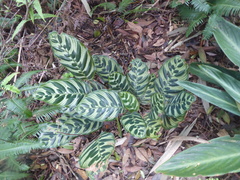 Goeppertia makoyana Brainplant Photo: CC BY, Michael Andresek
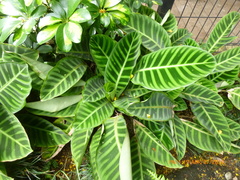 Goeppertia zebrina Zebra-plant Photo: CC BY, Daniel A. Monsalve Ortiz
 Goeppertia majestica Photo: CC BY, Brian Oakes Haiti Hunter
 Goeppertia roseopicta Photo: CC BY-SA, Charles Stirton
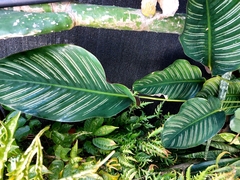 Goeppertia sanderiana Photo: CC BY, Francis Pérez
 Goeppertia picturata Photo: CC BY, lcchacon21
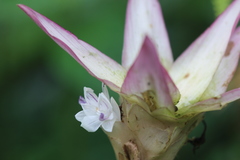 Goeppertia loeseneri Photo: CC BY, Skjold Søndergaard
 Goeppertia orbifolia Photo: CC BY-SA, Mokkie
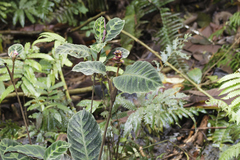 Goeppertia warszewiczii Photo: CC BY, David Rankin
 Goeppertia rufibarba Photo: CC BY, Maja Dumat
 Goeppertia kegeljanii Photo: CC BY-SA, J Alejandro González Castillo
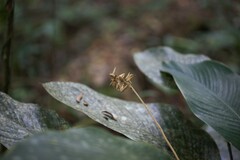 Goeppertia elliptica Photo: CC BY, Guillaume Delaitre
 Goeppertia concinna Photo: CC BY-SA, Ping an Chang
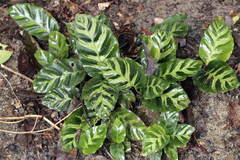 Goeppertia lietzei Photo: CC0, Paula Romano
 Goeppertia albertii Photo: CC BY-SA, David J. Stang
 Goeppertia veitchiana Photo: CC BY-SA, myself (User:Piotrus)
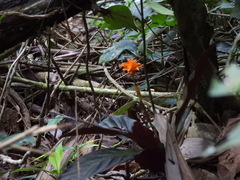 Goeppertia crocata Eternal Flame Photo: CC BY-SA, sheylarossi
 Goeppertia mirabilis Photo: CC BY, Alex Popovkin, Bahia, Brazil
 Goeppertia louisae Photo: CC0, Daderot
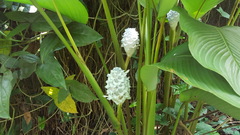 Goeppertia burle-marxii Photo: CC BY-SA, alessandradalia
 Goeppertia inocephala Photo: CC BY, Andres Hernandez
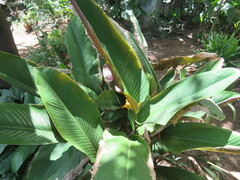 Goeppertia marantifolia Photo: CC BY-SA, jmmaes
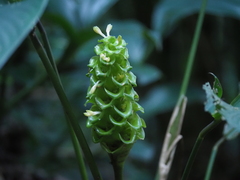 Goeppertia cylindrica Photo: CC BY, yongestation
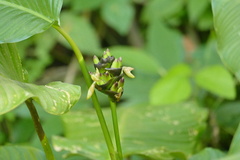 Goeppertia latifolia Photo: CC0, Jean-Paul Boerekamps
 Goeppertia fasciata Photo: CC BY-SA, David J. Stang
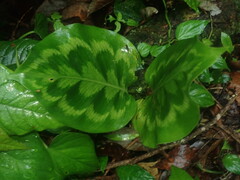 Goeppertia pseudoveitchiana Photo: CC BY, agujaceratops
 Goeppertia allouia Guinea arrowroot Photo: CC0, Whaldener Endo
- no open photograph on file Goeppertia lindeniana
- no open photograph on file Goeppertia aemula
 Goeppertia bachemiana Photo: CC BY-SA, James Steakley
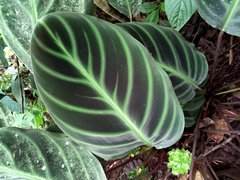 Goeppertia ecuadoriana Photo: CC BY, Frank Dietze
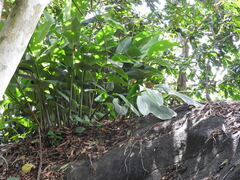 Goeppertia macrosepala Photo: CC BY, Alexis López Hernández
 Goeppertia metallica Photo: CC BY, Todd Boland
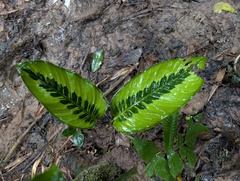 Goeppertia variegata Photo: CC BY, Yuri Sofronov
 Goeppertia wiotii Photo: CC BY, Natuur12
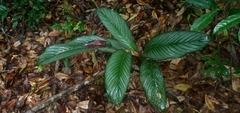 Goeppertia argyrophylla Photo: CC BY, Carlos Otávio Gussoni
- no open photograph on file Goeppertia libbyana
 Goeppertia undulata Photo: CC BY-SA, Mokkie
 Goeppertia misantlensis Photo: CC BY-SA, J Alejandro González Castillo
- no open photograph on file Goeppertia pavonii
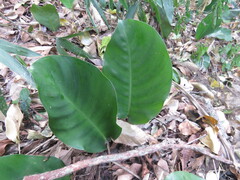 Goeppertia vaginata Photo: CC BY, Pablo Cauã da Silva Toledo
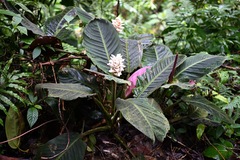 Goeppertia leucostachys Photo: CC BY, Amber M. King
- no open photograph on file Goeppertia verapax
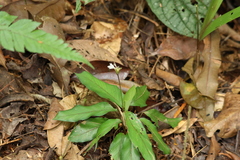 Goeppertia micans Photo: CC BY, er-birds
- no open photograph on file Goeppertia varians
- no open photograph on file Goeppertia argyraea
- no open photograph on file Goeppertia mediopicta
Grown: iNaturalist's observations of the species marked captive or cultivated; "not counted" where the species list does not count it. Native ranges: Kew's World Checklist of Vascular Plants (Govaerts et al., CC BY 4.0), file of 4 June 2026. Grown: iNaturalist's observations marked captive or cultivated, counted 17 October 2026 (the species list's count). Habitat climate known: the species page has a habitat climate, read from CHELSA's monthly climate and NASA POWER's daily extremes at its well-placed wild records inside Kew's native range; each page says its own sources and days. Record low: the lowest night in NASA POWER's daily series at the habitat's typical spot, as the species page gives it, held in °C to a tenth and shown in your units; each page says its own years and day read. Counts as the reference built on 19 November 2026 holds them. The CSV holds every result, not only this page's.