Lathyrus
66 species in the reference · family Fabaceae · 60 with a habitat climate · 47 grown, per iNaturalist, 19 not counted
About the genus
Lathyrus is a genus of flowering plants in the legume family Fabaceae, and contains approximately 160 species. Commonly known as peavines or vetchlings, they are native to temperate areas, with a breakdown of 52 species in Europe, 30 species in North America, 78 in Asia, 24 in tropical East Africa, and 24 in temperate South America. There are annual and perennial species which may be climbing or bushy. This genus has numerous sections, including Orobus, which was once a separate genus. More on Wikipedia
Quoted from Wikipedia, "Lathyrus", its opening paragraph, revision 1380803233, read 2026-11-08, CC BY-SA 4.0.
Where Lathyrus is native
| Turkey | 29 |
|---|---|
| Yugoslavia | 28 |
| Bulgaria | 27 |
| Italy | 27 |
| Albania | 26 |
| Greece | 26 |
| Spain | 25 |
| France | 24 |
| Lebanon-Syria | 21 |
| Krym | 19 |
| Portugal | 19 |
| Romania | 19 |
Species native to each region. A species counts in every region it is native to. Native ranges: Kew's World Checklist of Vascular Plants (Govaerts et al., CC BY 4.0), file of 4 June 2026.
66 species
Lathyrus
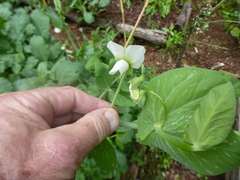 Lathyrus oleraceus Garden pea Photo: CC0, Ira Gershenhorn
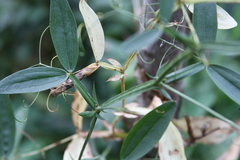 Lathyrus latifolius Perennial pea Photo: CC BY, Randy A Nonenmacher
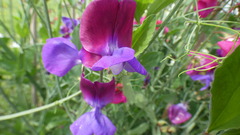 Lathyrus odoratus Sweet pea Photo: CC BY, Bob
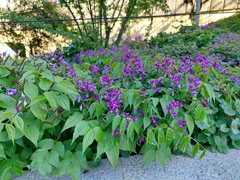 Lathyrus vernus Spring vetch Photo: CC BY, J V
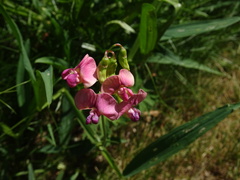 Lathyrus sylvestris Flat pea Photo: CC BY, Dietmar K. L. Moser
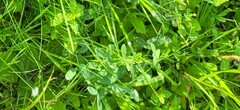 Lathyrus tuberosus Tuberous pea Photo: CC BY, Dmitriy Bochkov
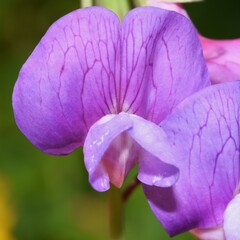 Lathyrus japonicus Sea pea Photo: CC BY, Gabriel Campbell-Martinez
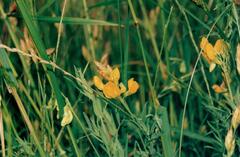 Lathyrus pratensis Meadow vetchling Photo: CC BY, zebedeugalinha
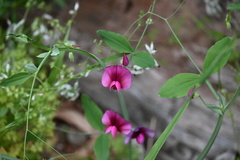 Lathyrus tingitanus Tangier pea Photo: CC BY-SA, jirau
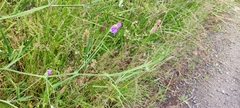 Lathyrus hirsutus Hairy vetchling Photo: CC BY, fmunoz
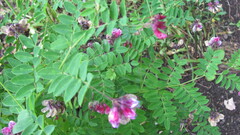 Lathyrus niger Black pea Photo: CC BY, zebedeugalinha
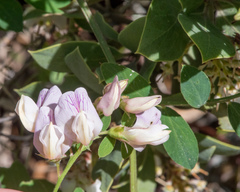 Lathyrus vestitus Pacific pea Photo: CC BY, Don Loarie
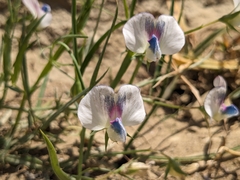 Lathyrus sativus Indian pea Photo: CC BY, Marios Thoma
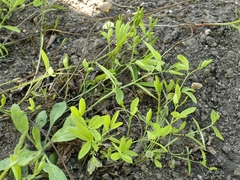 Lathyrus linifolius Bitter-vetch Photo: CC0, Dmitry Semigradsky
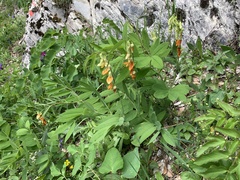 Lathyrus laevigatus Photo: CC BY, Katrin Simon
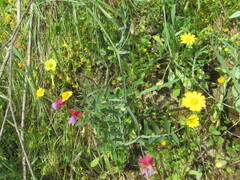 Lathyrus clymenum Spanish vetchling Photo: CC BY, zebedeugalinha
 Lathyrus grandiflorus Two-flowered Everlasting-pea Photo: CC BY, Kostas Zontanos
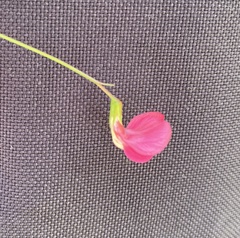 Lathyrus nissolia Grass vetchling Photo: CC0, jstarspots
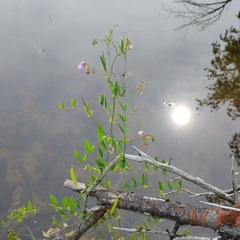 Lathyrus palustris Marsh pea Photo: CC BY, Bryce
 Lathyrus splendens Pride of California Photo: CC0, Jim Riley
 Lathyrus aureus Golden Pea Photo: CC0, John Kenrick Gibson
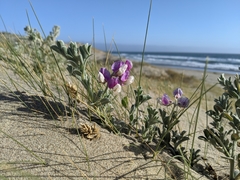 Lathyrus littoralis Silky beach pea Photo: CC BY, Ken-ichi Ueda
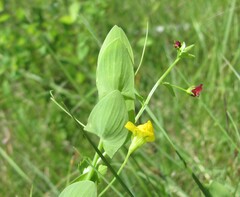 Lathyrus aphaca Yellow vetchling Photo: CC BY, zebedeugalinha
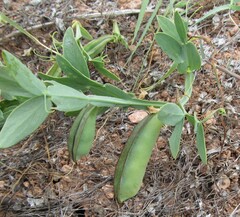 Lathyrus ochrus Winged vetchling Photo: CC BY, zebedeugalinha
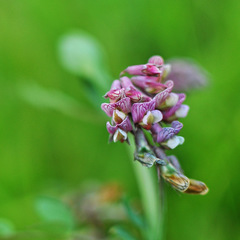 Lathyrus pisiformis Photo: CC BY, Дарья Друщенко
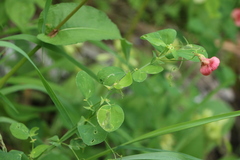 Lathyrus rotundifolius Round-leaf vetchling Photo: CC BY, Полина Полежанкина
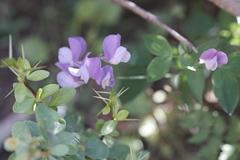 Lathyrus laxiflorus Loose-flowered vetchling Photo: CC BY, fmunoz
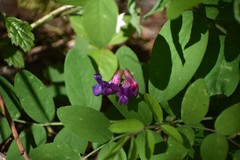 Lathyrus nevadensis Sierra pea Photo: CC0, Thompson Hyggen
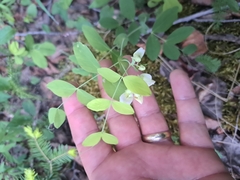 Lathyrus ochroleucus Cream pea Photo: CC0, Carter Dorscht
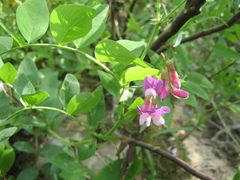 Lathyrus venosus Veiny pea Photo: CC0, Mason Brock
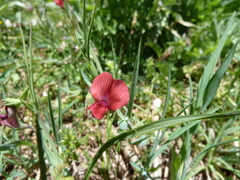 Lathyrus cicera Red vetchling Photo: CC BY, Andreas Taeger
 Lathyrus fulvus Photo: CC BY, Oleg Kosterin
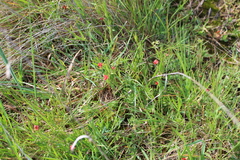 Lathyrus sphaericus Grass pea Photo: CC BY, Joe Potter Butler
 Lathyrus belinensis Belin Sweet Pea Photo: CC BY, JarroNevsbaru
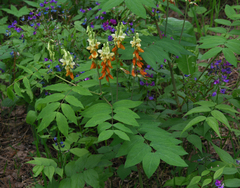 Lathyrus gmelinii Gmelin’s vetchling Photo: CC BY, Oleg Kosterin
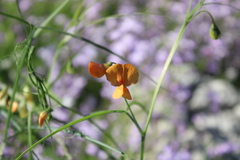 Lathyrus hierosolymitanus Jerusalem vetchling Photo: CC BY, yelena_antipova
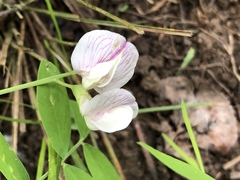 Lathyrus lanszwertii Lanszwert's vetchling Photo: CC0, nataliekrops
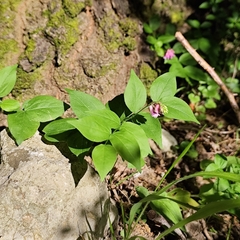 Lathyrus venetus Venetian vetchling Photo: CC BY, Francesco Santoro
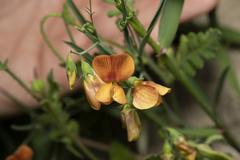 Lathyrus annuus Fodder pea Photo: CC BY, Eleftherios Katsillis
- no open photograph on file Lathyrus cassius Sweet Pea
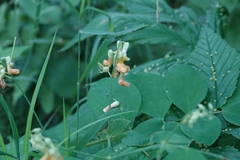 Lathyrus davidii China Davida Photo: CC BY, Валерия Ковалева
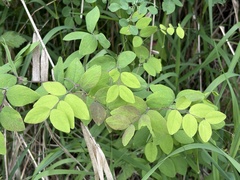 Lathyrus holochlorus Thinleaf pea Photo: CC BY, Ed Alverson
 Lathyrus magellanicus Lord Anson's pea Photo: CC BY-SA, Nicolás Villaseca Merino
 Lathyrus pannonicus Felted Vetch Photo: CC BY, Pavel Kacl
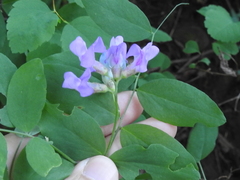 Lathyrus polyphyllus Leafy pea Photo: CC BY, Sam Kieschnick
 Lathyrus roseus Photo: CC BY, Dmitriy Bochkov
- no open photograph on file Lathyrus undulatus Early Everlasting-pea
 Lathyrus alpestris Photo: CC BY-SA, Michael Wolf
Grown: iNaturalist's observations of the species marked captive or cultivated; "not counted" where the species list does not count it. Native ranges: Kew's World Checklist of Vascular Plants (Govaerts et al., CC BY 4.0), file of 4 June 2026. Grown: iNaturalist's observations marked captive or cultivated, counted 17 October 2026 (the species list's count). Habitat climate known: the species page has a habitat climate, read from CHELSA's monthly climate and NASA POWER's daily extremes at its well-placed wild records inside Kew's native range; each page says its own sources and days. Record low: the lowest night in NASA POWER's daily series at the habitat's typical spot, as the species page gives it, held in °C to a tenth and shown in your units; each page says its own years and day read. Counts as the reference built on 19 November 2026 holds them. The CSV holds every result, not only this page's.