Valeriana
48 species in the reference · family Caprifoliaceae · 46 with a habitat climate · 41 grown, per iNaturalist, 7 not counted
About the genus
Valeriana is a genus of flowering plants in the family Caprifoliaceae, members of which may be commonly known as valerians. It contains many species, including the garden valerian, Valeriana officinalis. Valeriana has centers of diversity in Eurasia and South America (especially in the Andes), and is represented by native species on all continents except Antarctica.
Quoted from Wikipedia, "Valeriana", its opening paragraph, revision 1355191278, read 2026-11-08, CC BY-SA 4.0.
Where Valeriana is native
| France | 21 |
|---|---|
| Spain | 20 |
| Italy | 19 |
| Yugoslavia | 18 |
| Greece | 15 |
| Turkey | 15 |
| Albania | 14 |
| Austria | 14 |
| Switzerland | 14 |
| Bulgaria | 13 |
| Germany | 13 |
| Portugal | 13 |
Species native to each region. A species counts in every region it is native to. Native ranges: Kew's World Checklist of Vascular Plants (Govaerts et al., CC BY 4.0), file of 4 June 2026.
48 species
Valeriana
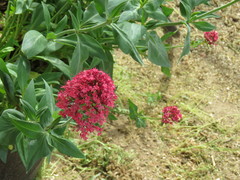 Valeriana rubra Red valerian Photo: CC BY, Rhonda L Broussard
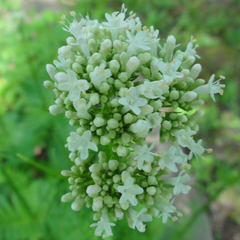 Valeriana officinalis Common valerian Photo: CC BY, Randy A Nonenmacher
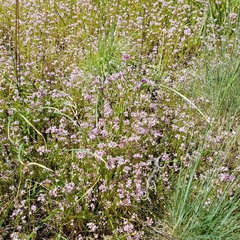 Valeriana congesta Rosy plectritis Photo: CC0, Ellen Watrous
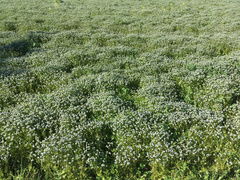 Valeriana locusta Photo: CC BY, Jon Sullivan
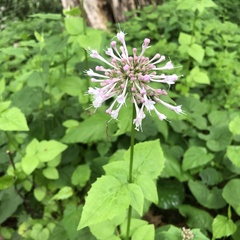 Valeriana pauciflora Large-flower valeriana Photo: CC BY, Andrew Conboy
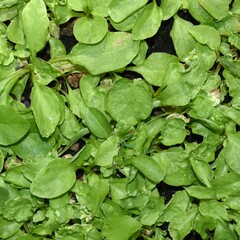 Valeriana sitchensis Pacific valerian Photo: CC BY, Gabriel Campbell-Martinez
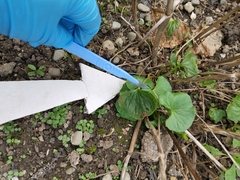 Valeriana alliariifolia Photo: CC0, edouard-brulhart
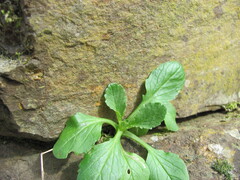 Valeriana calcitrapae Photo: CC BY, zebedeugalinha
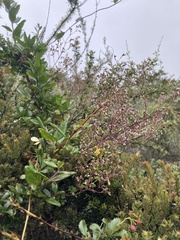 Valeriana clematitis Photo: CC BY-SA, julianazuluaga-carrero
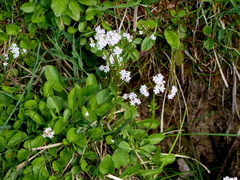 Valeriana dioica Marsh valerian Photo: CC BY, Wolfgang Jauch
 Valeriana excelsa Photo: CC0, Wouter Koch
- no open photograph on file Valeriana woodsiana
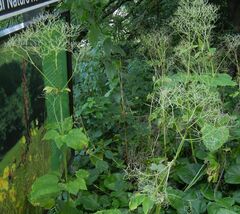 Valeriana pyrenaica Pyrenean Valerian Photo: CC BY, Jon Mortin
- no open photograph on file Valeriana lecoqii
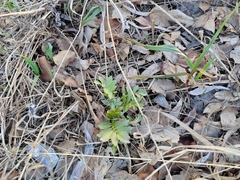 Valeriana wolgensis Photo: CC BY, Виктория Билоус
 Valeriana carinata Photo: CC0, Piermario Maculan
- no open photograph on file Valeriana macrosiphon
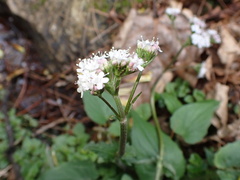 Valeriana jatamansi Indian valerian Photo: CC0, Jean-Paul Boerekamps
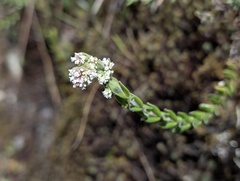 Valeriana microphylla Photo: CC0, Zoltán Stekkelpak
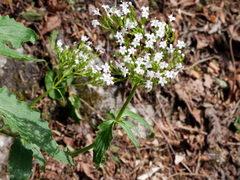 Valeriana tripteris Three-leaved Valerian Photo: CC BY, Wolfgang Jauch
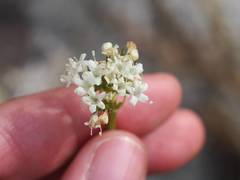 Valeriana californica California valerian Photo: CC BY, Nina House
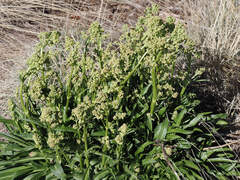 Valeriana edulis Edible valerian Photo: CC BY, Wendy McCrady
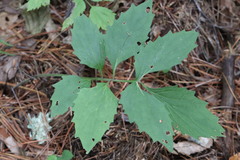 Valeriana fauriei Korean valerian Photo: CC BY, Nina Filippova
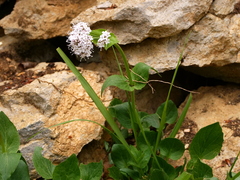 Valeriana montana Dwarf valerian Photo: CC BY, Wolfgang Jauch
- no open photograph on file Valeriana amarella
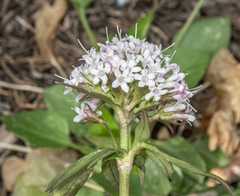 Valeriana arizonica Arizona tobaccoroot Photo: CC BY, Don Loarie
- no open photograph on file Valeriana cornucopiae
- no open photograph on file Valeriana erotica
 Valeriana macrocera Photo: CC BY-SA, Jim Morefield from Nevada, USA
 Valeriana phu Turkey Valerian Photo: CC BY-SA, Rillke
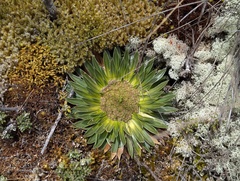 Valeriana rigida Photo: CC0, Zoltán Stekkelpak
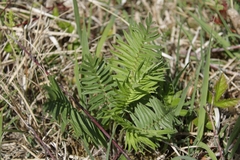 Valeriana stolonifera Photo: CC BY, Bobo-X
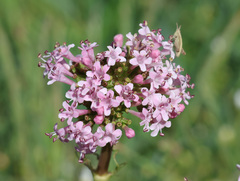 Valeriana tuberosa Tuberous Valerian Photo: CC BY, Joey Bom
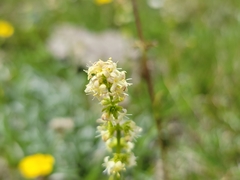 Valeriana celtica Celtic Spikenard Photo: CC BY, Elias
- no open photograph on file Valeriana dentata
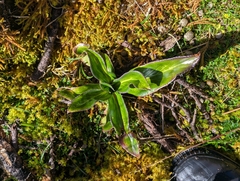 Valeriana pilosa Photo: CC BY, Sebastián Ordóñez
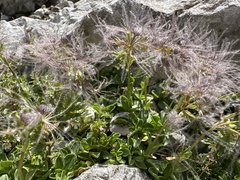 Valeriana supina Dwarf valerian Photo: CC BY, Katrin Simon
- no open photograph on file Valeriana coronata
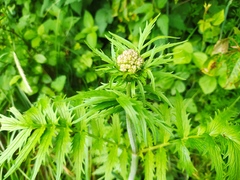 Valeriana pratensis Photo: CC BY, arthur_haendler
- no open photograph on file Valeriana rimosa
 Valeriana saxatilis Photo: CC BY, Wolfgang Jauch
 Valeriana angustifolia Photo: CC BY, Tournasol7
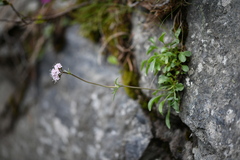 Valeriana apula Photo: CC BY, Flavien Saboureau
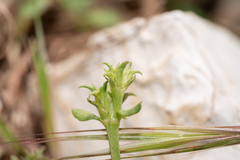 Valeriana echinata Photo: CC BY, Eleftherios Katsillis
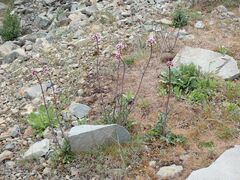 Valeriana italica Photo: CC BY, Olivier Argagnon
- no open photograph on file Valeriana kassarica
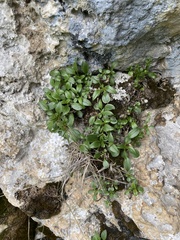 Valeriana saxicola Photo: CC BY, Илья Руденко
 Valeriana tiliifolia Photo: CC BY-SA, C T Johansson
Grown: iNaturalist's observations of the species marked captive or cultivated; "not counted" where the species list does not count it. Native ranges: Kew's World Checklist of Vascular Plants (Govaerts et al., CC BY 4.0), file of 4 June 2026. Grown: iNaturalist's observations marked captive or cultivated, counted 17 October 2026 (the species list's count). Habitat climate known: the species page has a habitat climate, read from CHELSA's monthly climate and NASA POWER's daily extremes at its well-placed wild records inside Kew's native range; each page says its own sources and days. Record low: the lowest night in NASA POWER's daily series at the habitat's typical spot, as the species page gives it, held in °C to a tenth and shown in your units; each page says its own years and day read. Counts as the reference built on 19 November 2026 holds them. The CSV holds every result, not only this page's.