Turkmenistan
TDWG level-3 region TKM
| Species native here | 862 |
|---|---|
| Native nowhere else | 2 |
| With a habitat climate | 835 |
| Grown, per iNaturalist | 769 (93 not counted) |
| Genera, families | 435, 88 |
Beside it in Middle Asia: Kazakhstan 1,790Kirgizistan 1,171Tadzhikistan 1,139Uzbekistan 1,062
Next door: Iran 2,081Kazakhstan 1,790Afghanistan 1,232Uzbekistan 1,062
Countries: Turkmenistan 862
Regions: TDWG's World Geographical Scheme for Recording Plant Distributions, 2nd edition (Brummitt 2001); countries' regions as round eighty's shapes assign Natural Earth's states and provinces (public domain). Next door: regions whose outlines touch, read from those shapes (TDWG's own tables give no neighbours).
862 species
Species native to Turkmenistan
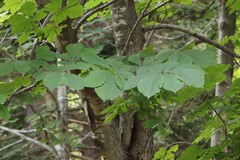 Aesculus hippocastanum Horse-chestnut Photo: CC BY, Nina Filippova
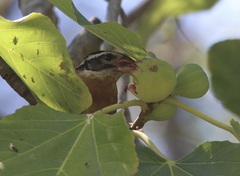 Ficus carica Fig Photo: CC BY, Cricket Raspet
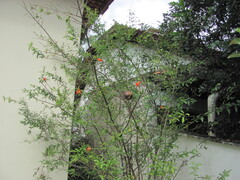 Punica granatum Pomegranate Photo: CC BY, zebedeugalinha
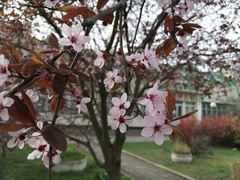 Prunus cerasifera Cherry plum Photo: CC BY, Roman A. Lagazyuk (Роман А. Лагазюк)
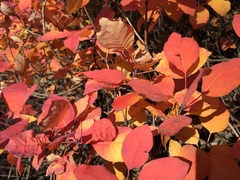 Cotinus coggygria Smoke-tree Photo: CC BY, Jason Grant
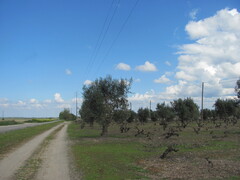 Vitis vinifera Grape-vine Photo: CC BY, zebedeugalinha
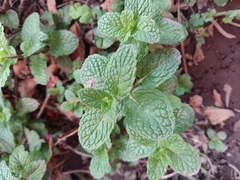 Mentha spicata Spearmint Photo: CC BY, Mauricio Calderón Cadena
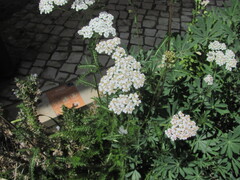 Achillea millefolium Yarrow Photo: CC BY, zebedeugalinha
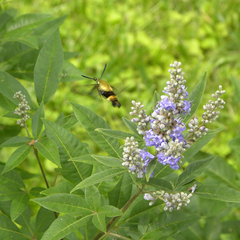 Vitex agnus-castus Chaste tree Photo: CC BY, M. Whitson
 Achillea filipendulina Fern-leaf yarrow Photo: CC BY, Matt Muir
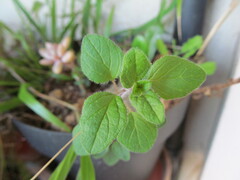 Origanum vulgare Wild marjoram Photo: CC BY, zebedeugalinha
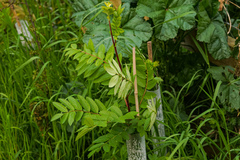 Sorbus aucuparia Rowan Photo: CC BY, Andrew Skotnicki
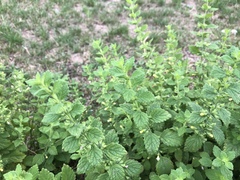 Melissa officinalis Balm Photo: CC BY, Pavel Kacl
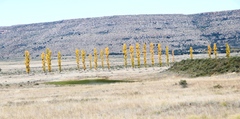 Populus nigra Black poplar Photo: CC BY-SA, Tony Rebelo
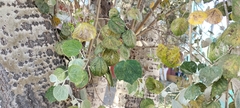 Populus alba White poplar Photo: CC BY, Tereso Hernández Morales
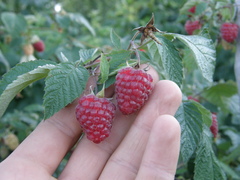 Rubus idaeus Raspberry Photo: CC BY, Oleksandr Shynder
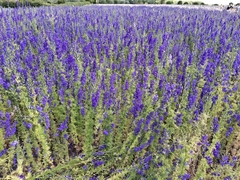 Delphinium ajacis Rocket larkspur Photo: CC0, Paul Round
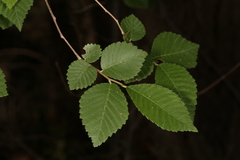 Ulmus pumila Siberian elm Photo: CC BY, jcowles
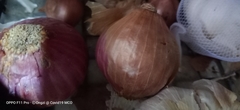 Allium cepa Onion Photo: CC BY-SA, Ong Jyh Seng
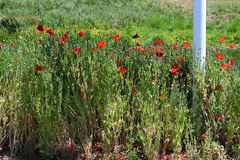 Papaver rhoeas Corn poppy Photo: CC BY, Jon Sullivan
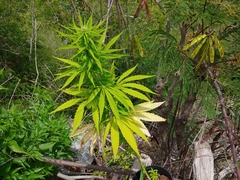 Cannabis sativa Hemp Photo: CC BY-SA, Kurt Miller
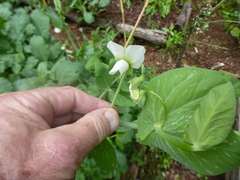 Lathyrus oleraceus Garden pea Photo: CC0, Ira Gershenhorn
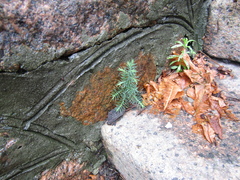 Juniperus communis Common juniper Photo: CC BY, Oleksandr Shynder
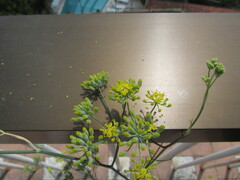 Foeniculum vulgare Fennel Photo: CC BY, zebedeugalinha
 Narcissus tazetta Bunch-flowered Daffodil Photo: CC0, Mariana
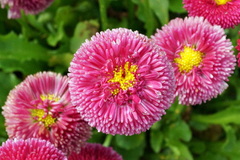 Bellis perennis Lawn daisy Photo: CC BY-SA, dr.scott.mills
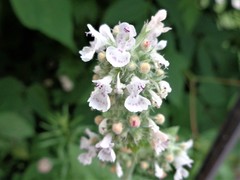 Nepeta cataria Cat-mint Photo: CC BY, Екатерина Войнова
 Daucus carota Queen Anne's lace Photo: CC BY, Dominic
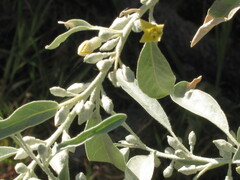 Elaeagnus angustifolia Russian olive Photo: CC BY, zebedeugalinha
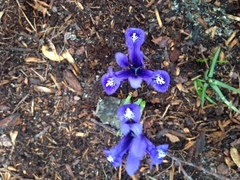 Iris reticulata Netted iris Photo: CC BY, Patrick Leary
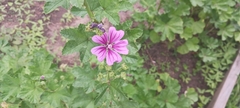 Malva sylvestris Common mallow Photo: CC BY, Seth
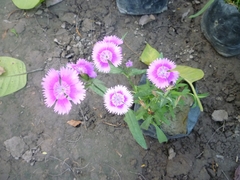 Dianthus chinensis Rainbow pink Photo: CC BY, Mitul and Vijul Singh
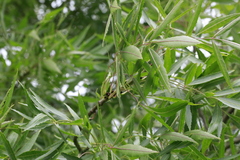 Fraxinus angustifolia Narrow-leaved Ash Photo: CC0, Stephen James McWilliam
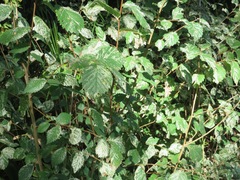 Ulmus minor Small-leaved elm Photo: CC BY, linkie
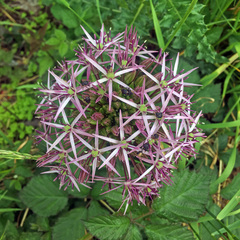 Allium cristophii Persian onion Photo: CC BY, Kai Löhr
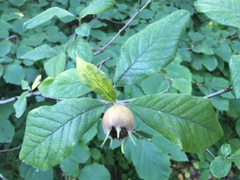 Crataegus germanica Medlar Photo: CC0, Андрей Тихонов
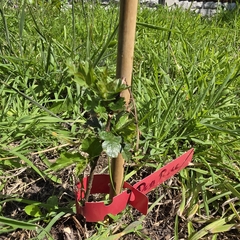 Rosa canina Dog rose Photo: CC0, NENP_Mr_Woodhams
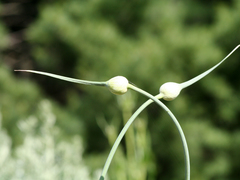 Allium sativum Garlic Photo: CC BY, Randy A Nonenmacher
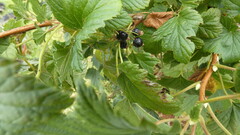 Ribes nigrum Black currant Photo: CC BY, Bob
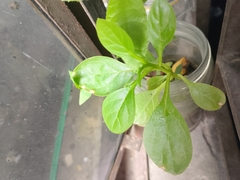 Spinacia oleracea Spinach Photo: CC0, Tanzil Rahman Tonoy
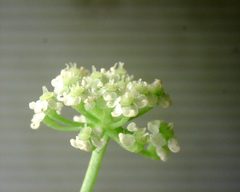 Apium graveolens Wild celery Photo: CC0, 螯蝦
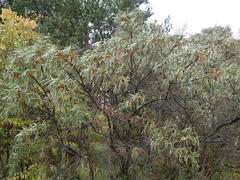 Hippophae rhamnoides Sea-buckthorn Photo: CC BY, Matt Bowser
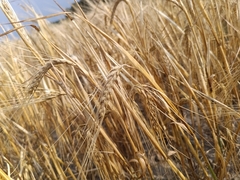 Hordeum vulgare Barley Photo: CC BY, Michal Honskus
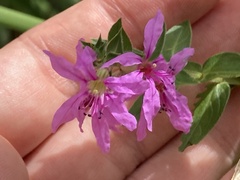 Lythrum salicaria Purple loosestrife Photo: CC BY, Marc Riera
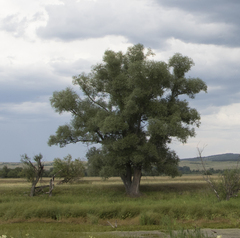 Salix alba White willow Photo: CC BY, Полина Полежанкина
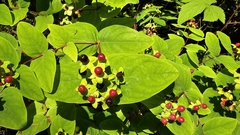 Hypericum androsaemum Tutsan Photo: CC BY, DeeF
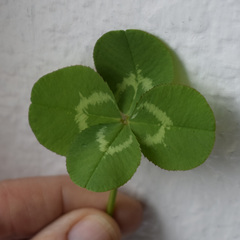 Trifolium repens White clover Photo: CC0, Anne Parsons
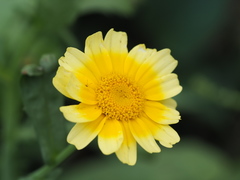 Glebionis coronaria Crown Daisy Photo: CC0, 葉子
Grown: iNaturalist's observations of the species marked captive or cultivated; "not counted" where the species list does not count it. Native ranges: Kew's World Checklist of Vascular Plants (Govaerts et al., CC BY 4.0), file of 4 June 2026. Grown: iNaturalist's observations marked captive or cultivated, counted 17 October 2026 (the species list's count). Habitat climate known: the species page has a habitat climate, read from CHELSA's monthly climate and NASA POWER's daily extremes at its well-placed wild records inside Kew's native range; each page says its own sources and days. Record low: the lowest night in NASA POWER's daily series at the habitat's typical spot, as the species page gives it, held in °C to a tenth and shown in your units; each page says its own years and day read. Counts as the reference built on 19 November 2026 holds them. The CSV holds every result, not only this page's.